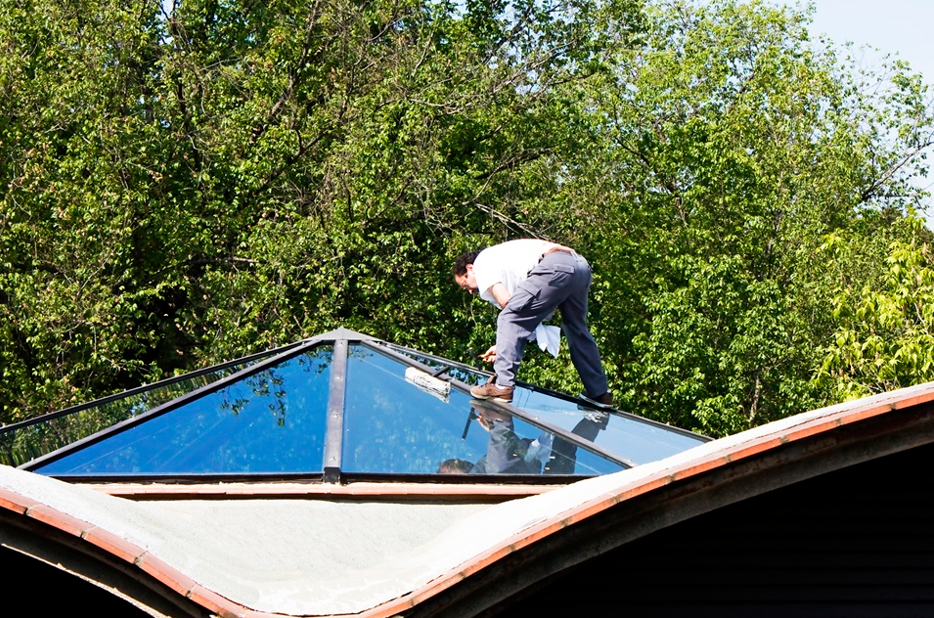
The skylight’s shape and its glass layout define its style. The benefits of skylight installation in a home include improved ventilation and more natural lighting. There are different styles of skylights installation. Consider the insights in this guide when exploring the various styles of skylights for your home.
The Styles of Skylights for a Home
The different styles of skylights have various benefits and features. It depends on the reason for installing them. Consider whether they are a décor statement or they are installed to provide light. They provide ventilation and can raise the home’s value.
The units also make a home energy efficient by improving the utility of natural light. The shape of a skylight becomes notable from the exterior of a building.
There are two main skylight styles:
- Basic Style
The basic style comprises skylights that do not protrude above the roof face except when curb-mounted. They are flat-roof skylights, and their installation does not affect a home’s exterior.
- Vaulted Style
Vaulted skylights protrude above the roof’s surface. They cost more and require more glass. They can improve a building’s aesthetics but also detract from it when chosen without considering the home’s overall style.
Other skylight styles include:
- Round Skylights
These have a circular shape with a flat exterior. The skylights are visible from the inside of the room. Their unusual shape makes them intriguing architectural and décor statements. They can be curb or deck-mounted.
Their natural slant helps them self-clean, and they are usually cleaned by runoff water. Most of these circular skylights are domes made of Plexiglas or acrylic. They can be opened manually or electronically by remote control. Their thickness depends on the material and structure of the roof. The roof’s characteristics can amplify the skylight’s ability to reflect light.
- Flat-roof Skylights
These are flat and align with the pitch of the roof. The units do not affect the appearance of the roof line. They look good when deck-mounted. These lights are often rectangular or square, making them easier to integrate with flat roof surfaces. Some flat-roof skylights open and improve ventilation and cooling, especially during hot weather.
Owners should, however, ensure their installation provides a watertight seal to prevent leaks into the house. When poorly installed, the units also collect water on the roof, leading to moisture problems. Their proper installation depends on the pitch of the roof. The skylight’s shafts also require insulation to ensure the home is energy efficient.
- Pyramid Skylights
These are vaulted skylights. Their pyramid shape is formed by a rectangular or square base that protrudes upwards. They are architectural masterpieces comprising glass panels that converge at a hip. They capture less light than their counterparts of the basic skylight style.
Some homeowners order these as custom-made fixtures. Vented pyramid skylights provide both ventilation and light. They suit kitchens and bathrooms. The fixed pyramid skylight does not open. It gives light and is good for rooms that do not need much ventilation, such as bedrooms and living rooms.
- Barrel Vault Skylights
These vaulted roof skylights project upwards to form a peak. Each peak has a curved glass topping. The ends have a half-circle piece of glass to hold the curved glass. The whole formation creates the appearance of a barrel. Their variety is the quarter vaulted skylights, formed along the same principle, only that they have quarter glass parts as their end pieces.
Conclusion
There are many styles and types of skylights. Therefore, finding the right one to install as a new fixture or a replacement can overwhelm some homeowners. Installing skylights is not a DIY project. It is important to have some basic knowledge about them before buying them or consulting a contractor for their installation.
