I. Introduction
In today’s world, where sustainability and energy efficiency are increasingly paramount, the importance of efficient home wiring cannot be overstated. Properly installed wiring not only ensures the smooth functioning of electrical systems but also plays a crucial role in enhancing energy efficiency within homes. The essential aspects of home wiring, highlighting its significance in achieving optimal energy use and overall household functionality. For more insights on why copper is used in electrical wiring and motors, you can read more at housebouse.com.
A. Importance Of Energy Efficiency In Homes
Energy efficiency is more than just a buzzword; it’s a practical approach to reducing energy consumption and minimizing environmental impact just like when you have the power to choose houston. In homes, where energy usage can account for a significant portion of expenses, optimizing efficiency becomes crucial. Efficient electrical systems, supported by well-planned wiring, can contribute to lower utility bills and a reduced carbon footprint
B. Role Of Proper Wiring Techniques In Achieving Energy Efficiency
The foundation of a home’s electrical system lies in its wiring. Proper wiring not only ensure safety but also enhance energy efficiency in several ways:
Minimizing Energy Loss: Well-installed wiring reduces energy loss during transmission and distribution. For instance, using high-quality copper wiring minimizes resistance and heat generation, ensuring that more electrical energy reaches its intended destination without wastage.
Supporting Energy-Saving Devices: Modern homes often incorporate energy-saving devices such as LED lighting, smart thermostats, and energy-efficient appliances. Properly designed electrical systems support these technologies, maximizing their effectiveness in reducing overall energy consumption.
Enhancing Safety and Reliability: Beyond energy efficiency, correct wiring ensures safety and reliability. Faulty wiring not only poses fire hazards but can also lead to electrical failures and potential damage to appliances, resulting in costly repairs and replacements.
II. Understanding Home Wiring Basics
A. Types Of Wiring Commonly Used In Homes
In residential settings, copper wiring remains the standard due to its superior conductivity and durability. Copper is highly efficient in transmitting electrical current with minimal resistance, which helps in maintaining energy efficiency throughout the electrical network of a home. Additionally, copper wiring is known for its longevity, making it a cost-effective choice despite initial installation costs.
B. Importance Of Correct Installation Techniques
Proper installation of wiring involves adherence to established codes and standards to ensure safety and efficiency.
Conducting Load Analysis: Before installation, conducting a thorough load analysis helps determine the appropriate gauge of wiring needed for each circuit. This ensures that electrical currents are adequately supported without overloading the system.
Following Manufacturer Guidelines: Manufacturers provide specific guidelines for installing wiring and electrical components. Adhering to these instructions helps prevent premature wear, enhances system performance, and maintains warranty validity.
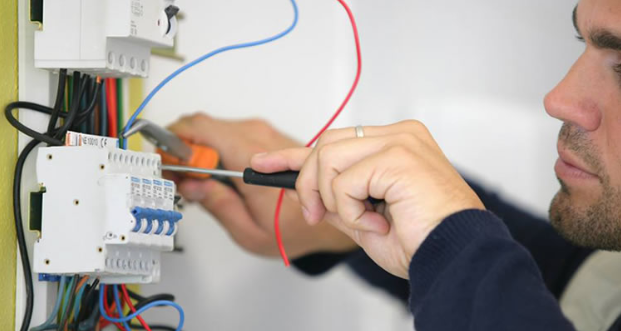
Professional Installation: Engaging qualified electricians for installation is crucial. They possess the expertise to navigate complex wiring configurations, adhere to safety protocols, and troubleshoot potential issues effectively.
III. Techniques For Improving Home Energy Efficiency
A. Upgrading To Modern Wiring Standards
In recent years, advancements in electrical safety and efficiency have led to the development of modern wiring standards such as AFCI (Arc-Fault Circuit Interrupter) and GFCI (Ground Fault Circuit Interrupter). These standards not only enhance safety by detecting and preventing electrical hazards like arc faults and ground faults but also contribute significantly to energy efficiency.
AFCI Technology: AFCIs are designed to detect potentially dangerous arc faults that can occur in wiring and electrical devices. By promptly interrupting power when an arc fault is detected, AFCIs help prevent electrical fires, thereby ensuring both safety and energy conservation.
GFCI Protection: GFCIs are crucial in areas where water and electricity may come into contact, such as kitchens, bathrooms, and outdoor spaces. These devices quickly cut off power in the event of a ground fault, preventing electrical shock and reducing energy wastage.
B. Proper Placement And Routing Of Wires
The layout and routing of electrical wires within a home can significantly impact energy efficiency.
Shorter Runs: Minimizing the distance that electrical currents travel from the main panel to outlets and devices reduces energy loss due to resistance in wires. Strategically locating outlets and ensuring direct routing can help achieve this goal.
Avoiding Heat Sources: Placing wires away from heat sources such as HVAC ducts, direct sunlight, and appliances that generate heat can prevent unnecessary energy loss through heat dissipation. Heat can increase electrical resistance, leading to energy inefficiency.
IV. Smart Home Solutions For Energy Management
In the era of smart technology, integrating energy management solutions into homes has become increasingly popular. These solutions not only enhance convenience but also contribute to significant energy savings.
A. Integration Of Smart Meters And Energy Monitoring Systems
Smart meters provide real-time data on energy consumption, enabling homeowners to monitor usage patterns and identify opportunities for conservation. By tracking energy usage by appliance or time of day, smart meters empower users to make informed decisions that reduce waste and optimize efficiency.
Energy Monitoring Systems: Beyond smart meters, dedicated energy monitoring systems offer detailed insights into energy consumption across different circuits and appliances. This information helps homeowners pinpoint energy-intensive devices and behaviors, facilitating adjustments to reduce overall consumption.
Benefits of Smart Switches and Programmable Thermostats
Smart Switches: These devices allow remote control of lighting and electrical outlets via smartphone apps or voice commands. By scheduling lights and appliances to operate only when needed, smart switches minimize standby power consumption and enhance overall efficiency.
Programmable Thermostats: Efficient temperature control is critical for energy conservation. Programmable thermostats enable users to set heating and cooling schedules based on occupancy patterns and preferences. This prevents unnecessary energy use when rooms are unoccupied, leading to substantial cost savings over time.
V. Future Trends In Home Energy Efficiency
A. Emerging Technologies In Wiring And Energy Management
As technology continues to evolve, so do the possibilities for enhancing home energy efficiency through innovative wiring and energy management solutions. Several emerging trends are poised to shape the future of residential energy efficiency:
Wireless Power Transfer: Research into wireless power transfer technologies aims to eliminate the need for traditional wiring altogether. Inductive charging and resonant coupling techniques could enable devices to receive power wirelessly, reducing energy losses associated with traditional wired connections.
Energy-Harvesting Materials: Advances in materials science may lead to the development of energy-harvesting wiring materials. These materials could generate electricity from ambient sources such as light, heat, or mechanical vibrations, supplementing traditional power sources and further enhancing efficiency.
Artificial Intelligence (AI) in Energy Management: AI-powered systems are revolutionizing energy management by learning household energy usage patterns and optimizing consumption in real-time. AI algorithms can adjust lighting, heating, and appliance usage based on factors like occupancy, weather conditions, and energy prices, maximizing efficiency without compromising comfort.
B. Potential Advancements And Their Implications For Homeowners
The adoption of these advancements holds promising implications for homeowners.
Increased Cost Savings: Advanced wiring technologies and smart energy management systems can lead to significant reductions in energy bills over time. By optimizing energy use and minimizing waste, homeowners can achieve substantial cost savings while supporting sustainability efforts.
Enhanced Comfort and Convenience: Future technologies promise enhanced comfort through automated systems that adjust environmental conditions according to personal preferences and occupancy. This level of customization not only improves comfort but also ensures efficient energy utilization tailored to individual lifestyles.
VI. Conclusion
The role of proper wiring techniques in achieving and maintaining home energy efficiency cannot be overstated. From minimizing energy loss to supporting advanced technologies, well-installed wiring forms the backbone of a sustainable and cost-effective electrical system within residential properties.
Frequently Asked Questions (FAQ)
- Why is proper wiring important for home energy efficiency?
Proper wiring reduces energy loss, enhances safety, and ensures appliances operate efficiently without wasting electricity.
- What are the signs that my home’s wiring needs upgrading?
Signs include frequent circuit breaker trips, flickering lights, outdated wiring (like knob-and-tube), or if your home is over 20 years old.
- How can upgrading to modern wiring standards improve energy efficiency?
Modern standards like AFCI (Arc Fault Circuit Interrupters) and GFCI (Ground Fault Circuit Interrupters) reduce the risk of electrical fires and minimize energy wastage.
- What role does insulation play in improving energy efficiency alongside wiring?
Proper insulation prevents heat loss, complementing efficient wiring to reduce overall energy consumption and utility bills.
- Are there specific areas in my home where proper wiring techniques can have the most impact on energy efficiency?
Yes, focusing on high-energy-use areas like kitchens, where appliances are frequently used, and ensuring wiring is properly insulated and installed.
