I. Introduction
In today’s dynamic world of filmmaking, technology stands as the cornerstone of innovation and efficiency. The fusion of creativity with cutting-edge gadgets has redefined the art of storytelling on screen. From capturing breathtaking landscapes in ultra-high definition to achieving seamless transitions between scenes, technological advancements have propelled the film industry into new realms of possibility. To learn more about the development process over the film technology click here.
A. Importance Of Technology In Modern Filmmaking
Technology in filmmaking transcends mere tools; it has become the catalyst for unlocking unparalleled cinematic experiences. Advancements in digital imaging, audio engineering, and post-production software have empowered filmmakers to visualize and execute their visions with unprecedented clarity and precision. Whether it’s capturing the delicate nuances of human emotion or crafting visually stunning special effects, every aspect of filmmaking benefits from the integration of sophisticated technology.
II. Camera Gear
A. High-End Cameras: DSLRs Vs Mirrorless Vs Cinema Cameras
Central to any filmmaker’s arsenal are the cameras themselves, each offering distinct advantages tailored to different cinematic needs. DSLRs (Digital Single-Lens Reflex) are renowned for their versatility and affordability, making them popular choices for indie filmmakers and documentary creators. Mirrorless cameras, on the other hand, boast compact designs and superior autofocus capabilities, making them ideal for capturing fast-paced action sequences and dynamic shots. Cinema cameras, with their robust build quality and unparalleled image fidelity, cater to the demands of feature films and commercial productions where uncompromising quality is paramount.
B. Lenses And Their Significance In Achieving Different Shots
Beyond the camera body, lenses play a pivotal role in shaping the visual narrative of a film. From wide-angle lenses that capture sweeping landscapes to telephoto lenses that bring distant subjects into sharp focus, the choice of lens profoundly influences the mood and composition of each frame. Cinematographers meticulously select lenses based on factors such as focal length, aperture, and optical quality to evoke specific emotions and convey narrative subtext through visual storytelling.
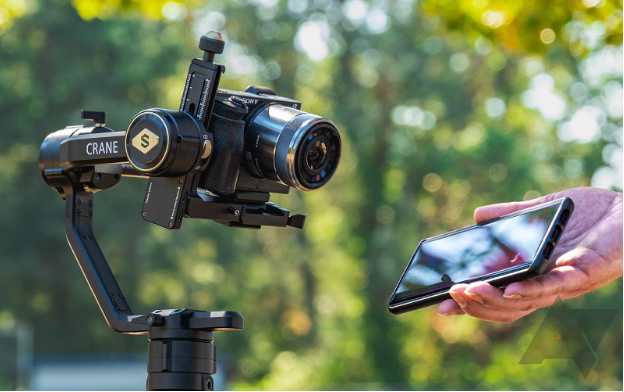
C. Camera Stabilizers And Gimbals For Smooth Footage
Achieving steady footage is essential for producing professional-quality films, irrespective of the filming conditions. Camera stabilizers and gimbals have emerged as indispensable tools for filmmakers seeking to capture smooth, cinematic movements with fluidity and precision. These devices use advanced gyroscopic technology to counteract unwanted vibrations and shakes, allowing filmmakers to achieve steady shots while walking, running, or capturing aerial perspectives. By eliminating camera jitter and maintaining stability, stabilizers and gimbals enhance the visual appeal of films, imparting a polished and professional aesthetic to every frame.
III. Lighting Equipment
Lighting is fundamental to capturing the perfect shot in filmmaking. Modern advancements in lighting on film technology have revolutionized how filmmakers approach lighting setups, providing more flexibility and efficiency on set.
A. Led Panels And Their Over Traditional Lights
LED panels have become the go-to choice for filmmakers due to their numerous advantages over traditional lighting sources. Firstly, LED panels are highly energy-efficient, consuming significantly less power while producing bright, consistent light. This efficiency not only reduces operating costs but also makes them ideal for extended shoots where power conservation is crucial.
LED panels offer adjustable color temperature settings, allowing filmmakers to easily match ambient lighting or create specific moods without needing to use gels or filters. This versatility saves time during setup and ensures consistency in color across different shots and scenes.
B. Portable Lighting Solutions For Various Shooting Conditions
In filmmaking, adaptability is key, especially when shooting on location or in challenging environments. Portable lighting solutions, such as battery-powered LED panels or compact LED spotlights, offer filmmakers the flexibility to achieve professional lighting setups virtually anywhere.
These portable lights are lightweight and easy to transport, making them essential for documentary filmmakers, indie productions, or any shoot that requires mobility and quick setup times. They can be mounted on tripods, handheld, or even attached directly to the camera rig, providing versatile lighting options that adapt to the dynamics of the scene.
C. Light Modifiers And Their Role In Shaping Light On Set
While the quality of light is crucial, so is its direction and diffusion. Light modifiers play a crucial role in shaping and controlling the light to achieve the desired effect. Equipment such as softboxes, diffusers, grids, and reflectors allow filmmakers to modify the intensity, direction, and softness of the light, thereby enhancing the visual appeal of the scene.
Softboxes, for example, diffuse harsh light to create a softer, more flattering illumination ideal for portraits or interviews. Reflectors bounce and redirect light to fill in shadows or create highlights, adding depth and dimension to the shot. Grids help to narrow the light beam, providing precise control over where the light falls and reducing spillage onto unwanted areas of the set.
IV. Audio Devices
Clear and crisp audio is just as crucial as sharp visuals in filmmaking. The right audio devices can make a significant difference in capturing high-quality sound that complements the visual narrative.
A. Quality Microphones: Shotgun Vs Lavalier Vs Wireless
Choosing the right microphone depends largely on the specific filming requirements and the environment. Shotgun microphones are highly directional, capturing sound primarily from the direction they are pointed, making them ideal for capturing dialogue or sound effects while minimizing background noise. They are commonly used on booms or mounted on cameras for flexible positioning.
Lavalier microphones, on the other hand, are small, discrete microphones that can be clipped onto the talent’s clothing or hidden within costumes. They offer hands-free operation and are ideal for capturing clear dialogue in interviews, scenes with movement, or situations where a visible microphone would be distracting. They transmit audio signals wirelessly to the recording device, eliminating the need for cumbersome cables while ensuring reliable sound transmission. This versatility makes them invaluable for capturing dialogue or ambient sound in dynamic filming environments.
B. Audio Recorders And Their Importance In Capturing Clear Sound
While many cameras have built-in microphones, dedicated audio recorders offer superior sound quality and flexibility in audio capture. Audio recorders allow filmmakers to use multiple microphones simultaneously, adjust recording levels, and monitor audio in real-time, ensuring optimal sound quality during filming.
Portable audio recorders are compact, lightweight, and often include features such as built-in microphones, XLR inputs for external microphones, and options for recording in different formats and bitrates. This versatility makes them suitable for a wide range of filming scenarios, from intimate interviews to large-scale productions requiring complex audio setups.
V. Emerging Technologies
The landscape of filmmaking is continually evolving with the integration of cutting-edge technologies that enhance creativity, efficiency, and the overall filmmaking experience.
A. The Role Of 5g In Facilitating Remote Collaboration And Streaming
The advent of 5G technology is transforming how filmmakers collaborate and distribute content, overcoming traditional barriers of time and location.
Remote Collaboration: 5G networks offer high-speed, low-latency connectivity, enabling filmmakers and production teams to collaborate seamlessly from different locations. Real-time video conferencing, file sharing, and remote monitoring of filming sessions are now feasible, enhancing efficiency and reducing travel costs.
Streaming: With 5G, filmmakers can stream high-resolution footage directly from the set to remote locations or cloud-based servers. This capability facilitates instant feedback from stakeholders and accelerates the review and approval process during production.
VI. Conclusion
The evolution of essential gadgets and emerging film technology is revolutionizing the art and science of filmmaking. From advanced lighting equipment and audio devices to groundbreaking technologies like VR, AR, AI-powered tools, and 5G connectivity, filmmakers now have unprecedented tools at their disposal to unleash their creativity and deliver compelling visual narratives.
Frequently Asked Questions (FAQ)
Q: What are the essential camera gadgets every filmmaker should consider?
Key camera gadgets include high-quality lenses for different shots, stabilizers like gimbals for smooth footage, and external monitors for accurate framing and focus.
Q: Which lighting equipment is essential for filmmakers working on a budget?
LED panels offer cost-effective and versatile lighting solutions. Softboxes and reflectors can further enhance lighting quality without breaking the bank.
Q:What types of microphones are best suited for different filming scenarios?
Shotgun microphones are ideal for capturing directional sound, while lavalier mics provide hands-free operation. Wireless systems offer flexibility in movement for interviews and dynamic scenes.
Q: Why are support systems like tripods and sliders crucial for filmmaking?
Tripods provide stability for static shots, while sliders allow for smooth camera movements. Both are essential for achieving professional-looking cinematography.
Q: How can filmmakers leverage drone technology in their projects?
Drones enable stunning aerial shots that were previously costly and difficult to achieve. They add production value and versatility to filmmaking projects.
