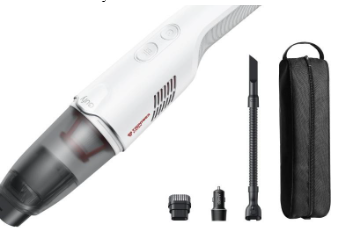
Car vacuum cleaners are indispensable tools for maintaining the cleanliness of your vehicle. They effectively remove dirt, debris, and pet hair from the tightest corners and crevices, ensuring your car interior remains spotless. However, like any other electrical device, vacuum cleaner for car can encounter issues that may hinder their performance. Here, we will discuss common problems with car vacuum cleaners and provide detailed troubleshooting steps to help you resolve them efficiently.
Troubleshoot Common Issues
Vacuum Cleaner Does Not Turn On
One of the most common issues is the vacuum cleaner not turning on. The first step in troubleshooting this problem is to check the power source. Ensure that the vacuum cleaner is properly plugged into the car’s power outlet. Sometimes, the issue might be as simple as a loose connection. If it is securely plugged in and still not working, examine the power cord and plug for any visible damage. A frayed or broken cord can prevent the device from powering on. Next, check the car’s power outlet for functionality. You can test this by plugging in another device, such as a phone charger, to see if it works. If the power outlet is not functioning, the problem might lie with the car’s electrical system rather than the vacuum cleaner itself.
Weak Suction Power
Weak suction power is another frequent problem that can reduce the efficiency of your car vacuum cleaner. The first step in diagnosing this issue is to inspect the dust container or bag. If it is full, empty it and clean any residual dirt or debris that might be clogging the system. A full dust container can significantly reduce the suction power of the vacuum cleaner. Next, check the filters. Most car vacuum cleaners come with one or more filters that trap dust and debris. Over time, these filters can become clogged and restrict airflow, resulting in weak suction. Refer to the user manual to locate the filters and clean or replace them as required. Regular maintenance of filters can prevent suction power issues and prolong the lifespan of your vacuum cleaner.
Unusual Noise or Vibration
Unusual noise or vibration can be a sign of a problem with your car vacuum cleaner. First, check for any loose parts or attachments. Sometimes, a poorly attached nozzle or brush can cause the vacuum cleaner to make unusual noises. Ensure all parts and attachments are securely in place. Next, inspect the motor and fan for any obstructions. Debris caught in the motor or fan can cause excessive noise and vibration. Turn off the vacuum cleaner, unplug it, and carefully remove any obstructions. Be cautious not to damage any internal components during this process.
Overheating
Overheating is a common issue that can occur if the vacuum cleaner is used for an extended period or if there is a blockage in the airflow. If your vacuum cleaner becomes unusually hot, turn it off immediately and unplug it to prevent any potential damage. Allow the vacuum cleaner to cool down for at least 30 minutes before inspecting it further. Check the dust container, filters, hose, and nozzle for any blockages that might be restricting airflow. Clean or replace the filters if necessary and remove any obstructions from the hose and nozzle.
Conclusion
Troubleshooting common issues with car vacuum cleaners requires a systematic approach to identifying and resolving the problem. Start by checking the power source, dust container, filters, hose, nozzle, and motor for any visible issues. Regular maintenance, such as cleaning filters and emptying the dust container, can prevent many of these problems and ensure the efficient performance of your vacuum cleaner. If you encounter issues beyond your ability to repair, seek professional assistance to avoid causing further damage to the device. By following these troubleshooting steps, you can keep your car vacuum cleaner in optimal condition and maintain a clean and tidy vehicle interior.
