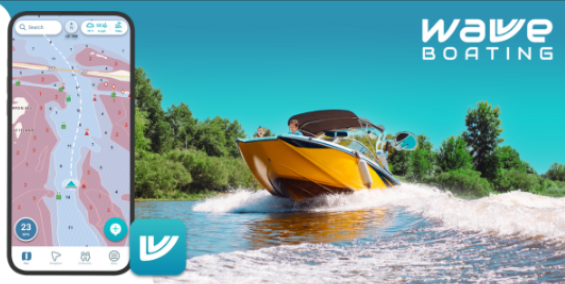
Deck boats have become a popular choice among boating enthusiasts thanks to their versatile design and functionality. These boats are characterized by their wide beam and open deck space, providing ample room for seating, entertaining, and various water activities.
However, like any other type of boat, owning a deck boat comes with its set of advantages and disadvantages.
In this blog post, we will explore what is a deck boat and delve into the pros and cons of owning one to help you make an informed decision.
What Is a Deck Boat?
A deck boat is a recreational boat designed with a wide beam and an open deck layout to maximize space and comfort. It typically features a V-shaped hull, which enhances stability and performance in the water.
The expansive deck area allows for plenty of seating, making deck boats ideal for socializing, entertaining, and enjoying various water sports. These boats can range in size, typically between 18 to 28 feet in length, and are powered by either outboard or stern-drive engines.
The Pros of Owning a Deck Boat
1.Spaciousness and Comfort
One of the main advantages of a deck boat is its spaciousness. The wide beam and open layout provide ample room for passengers to move around comfortably, making deck boats perfect for families and large groups who enjoy spending time on the water together.
The generous seating arrangement often includes comfortable cushioned seats, loungers, and even sun pads, ensuring a comfortable experience for everyone on board.
2.Versatility
Deck boats are incredibly versatile, making them suitable for a variety of activities. Whether you enjoy fishing, water skiing, wakeboarding, or simply cruising, a deck boat can accommodate your needs. The open deck space allows for easy movement and the ability to carry equipment for different water sports. Additionally, many deck boats come with built-in storage compartments, making it convenient to store gear and supplies.
3.Stability and Performance
The V-shaped hull of a deck boat provides excellent stability, even in choppy waters. This design enhances the boat’s performance, ensuring a smooth and comfortable ride.
Deck boats’ stability makes them a great choice for families with children or anyone who may be prone to seasickness. The design also allows for better handling and maneuverability, making it easier to navigate through various water conditions.
4.Entertainment Features
Deck boats often come equipped with entertainment features, making them ideal for social gatherings on the water. Many models include built-in coolers, wet bars, sound systems, and even grills.
These features enhance the overall boating experience, allowing you to entertain guests and enjoy meals and drinks while cruising. The spacious deck area also provides plenty of room for dancing, games, and other activities.
5.Family-Friendly
Deck boats are designed with families in mind. The wide and stable platform makes it easy and safe for children and pets to move around. The ample seating ensures that everyone has a comfortable place to sit, and the open layout allows for easy supervision of young ones.
Many deck boats also feature swim platforms and ladders, making it convenient for family members to get in and out of the water.
The Cons of Owning a Deck Boat
1.Limited Offshore Capability
While deck boats perform well in calm and inland waters, they are not designed for rough offshore conditions. The wide beam and open deck layout, while providing stability, can be a disadvantage in heavy seas. Deck boats are best suited for lakes, rivers, and coastal waters, but they may not be the ideal choice for those looking to venture far offshore.
2.Fuel Consumption
Deck boats, especially larger models with powerful engines, can be fuel-intensive. The cost of fuel can add up quickly, particularly if you plan to use the boat frequently or for long trips. It’s important to consider the fuel efficiency of the model you are interested in and factor in the ongoing cost of fuel when budgeting for a deck boat.
3.Storage and Transportation
Due to their size, deck boats can be challenging to store and transport. They require a significant amount of space for storage, whether in a marina, a storage facility, or on your property. Additionally, transporting a deck boat requires a suitable trailer and a vehicle capable of towing it. These logistical considerations can add to the overall cost and effort of owning a deck boat.
4.Maintenance and Upkeep
Like any boat, deck boats require regular maintenance to keep them in good condition. The open layout means that the deck and seating areas are exposed to the elements, which can lead to wear and tear over time. Regular cleaning, covering, and maintenance of the engine and other systems are necessary to ensure the longevity of the boat. This ongoing upkeep can be time-consuming and costly.
5.Initial Cost
The initial cost of purchasing a deck boat can be high, especially for larger models with advanced features and powerful engines. While there are budget-friendly options available, it’s important to consider the upfront investment required. Additionally, the cost of accessories, safety equipment, insurance, and registration should be factored into the overall budget.
Final Words
Deck boats offer a blend of spaciousness, versatility, and performance that makes them a popular choice for recreational boating. However, it’s important to consider the limitations and ongoing costs associated with owning a deck boat.
By weighing the pros and cons, you can determine whether a deck boat is the right fit for your boating needs and lifestyle.
Whether you decide to go for it or opt for a different type of boat, the goal is to enjoy your time on the water safely and comfortably. Happy boating!
