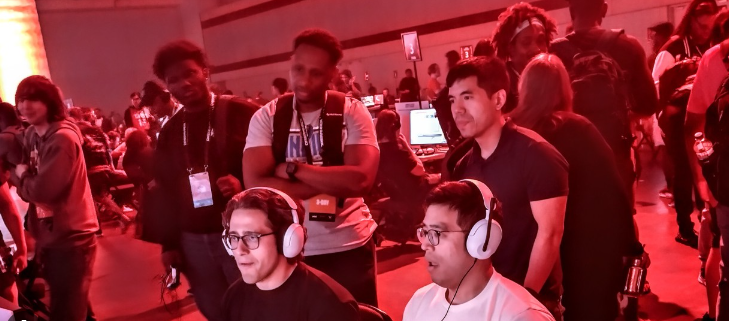
Online เว็บบอลยูฟ่า has transcended its origins as a mere form of entertainment, evolving into a significant social phenomenon. It has reshaped how people connect, collaborate, and communicate, forging new social dynamics and communities. This article delves into the various ways online gaming impacts social interactions, both positively and negatively.
Building Global Communities
- Connecting Players Worldwide
Online games break down geographical barriers, allowing players from different parts of the world to connect and interact. Games like “World of Warcraft” and “Fortnite” have large, diverse player bases, fostering global communities. These connections can lead to lasting friendships and cultural exchanges, broadening players’ perspectives and fostering global understanding.
- Creating Shared Experiences
Shared experiences in online games, such as completing missions or participating in events, strengthen bonds between players. These experiences often lead to the formation of tight-knit communities and guilds. The sense of achievement and teamwork contributes to building strong social connections, which can extend beyond the game itself.
Fostering Collaboration and Teamwork
- Enhancing Teamwork Skills
Many online games, particularly multiplayer and cooperative games, require effective teamwork and communication. Players must strategize, delegate tasks, and support each other to achieve common goals. These skills, honed through gaming, can translate to real-world teamwork and collaboration, enhancing players’ abilities in professional and personal settings.
- Promoting Inclusive Environments
Online gaming often brings together people from various backgrounds and abilities. Games with inclusive design and accessible features allow a broader range of players to participate and collaborate. This inclusivity promotes a sense of belonging and can lead to more diverse and empathetic gaming communities.
Challenges and Concerns
- Addressing Toxicity and Harassment
Despite the positive aspects, online gaming communities can sometimes become toxic, with instances of harassment and abuse. The anonymity provided by online platforms can lead to negative behaviors, including trolling and bullying. Game developers and community managers need to implement effective moderation and support systems to address these issues and foster a positive gaming environment.
- Balancing Gaming and Real-Life Relationships
While online gaming can enhance social connections, it can also impact real-life relationships. Excessive gaming may lead to social isolation or neglect of offline responsibilities and relationships. Striking a balance between gaming and real-life interactions is crucial for maintaining healthy relationships and overall well-being.
Impact on Mental Health
- Providing Emotional Support
For many, online gaming offers a valuable source of emotional support and stress relief. Engaging with supportive gaming communities can provide a sense of belonging and comfort, particularly for individuals who may struggle with isolation or mental health challenges. Positive interactions within these communities can contribute to improved mental well-being.
- Managing Gaming Addiction
On the flip side, gaming addiction can negatively affect mental health. Excessive gaming can lead to issues such as decreased physical activity, poor sleep patterns, and neglect of daily responsibilities. It’s important for players to recognize the signs of gaming addiction and seek help if necessary to ensure a healthy and balanced approach to gaming.
The Future of Social Gaming
- Evolution of Virtual Social Spaces
The future of social gaming is likely to involve more immersive and interactive virtual spaces. Advances in VR and AR technologies may create new forms of social interaction, allowing players to meet and interact in virtual environments that closely resemble the real world. These innovations could further enhance the social impact of online gaming.
- Expanding Social Features
As online games continue to evolve, incorporating more sophisticated social features and tools will likely become a focus. Enhanced communication options, community-building tools, and collaborative gameplay mechanics can enrich the social experiences within games, making them even more integral to players’ social lives.
Conclusion
Online gaming’s social impact extends far beyond mere entertainment. It connects players across the globe, fosters collaboration, and influences mental health and relationships. While challenges such as toxicity and addiction must be addressed, the positive aspects of social gaming highlight its potential to enhance social connections and support. As technology advances, the social dimensions of online gaming will continue to evolve, offering new opportunities for connection and community.
