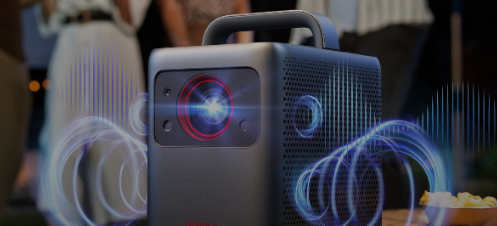
In the era of home entertainment, the desire for larger-than-life viewing experiences has led many to explore the world of projectors. With the ability to create a cinematic atmosphere right in your living room or backyard, home projectors are becoming increasingly popular. However, with so many options available, it can be overwhelming to choose the right one. Here are key factors to consider when buying a home projector to ensure you make the best choice for your needs.
Key Factors to Consider When Buying a Home Projector
Types
Before you start shopping, it’s important to understand the types of projectors available. The three primary technologies are DLP (Digital Light Processing), LCD (Liquid Crystal Display), and LCoS (Liquid Crystal on Silicon). DLP projectors are known for their compact size and smooth motion, making them great for fast-paced movies. However, they can sometimes suffer from a “rainbow effect” in some users. LCD projectors offer vibrant colors and sharp images, making them a popular choice for home theaters. They generally do not have the same black levels as DLP projectors but excel in brightness. LCoS projectors combine the best of both worlds, providing excellent image quality with deeper blacks and vibrant colors but often at a higher price point.
Resolution and Image Quality
Resolution is one of the most critical factors in determining the quality of the image projected. The most common resolutions are 1080p (Full HD) and 4K (Ultra HD). 1080p projectors are suitable for most users and provide excellent image quality for movies and gaming. However, as more content becomes available in 4K, investing in a 4K projector could future-proof your setup.
Another vital aspect of image quality is brightness, measured in lumens. The higher the lumens, the brighter the projected image. If you plan to use your projector in a well-lit room, look for a model with at least 2,200 lumens (Cosmos 4K SE 4K Projector). Additionally, consider the contrast ratio, which impacts the depth of blacks and vibrancy of colors. A higher contrast ratio leads to better image quality, especially in darker scenes.
Throw Distance and Screen Size
Understanding throw distance is crucial for installation. Throw distance refers to the distance a projector needs to be from the screen to produce a specific image size. If you have limited space, consider a short-throw projector, which can create a large image from a shorter distance. Screen size is another important factor. Generally, a screen size of 100 inches or more provides the best cinematic experience. However, ensure your room can accommodate the screen size based on your projector’s throw distance.
Connectivity Options
Modern projectors come with various connectivity options. Ensure the projector has essential ports like HDMI, USB, and, if needed, Wi-Fi or Bluetooth capabilities. This allows you to connect it to various devices such as laptops, streaming devices, or even gaming consoles. Compatibility is key; always check if the projector can connect to your existing devices.
Sound Quality
While many projectors come with built-in speakers, the audio quality may not suffice for an immersive experience. If sound is a priority, consider investing in an external sound system or a projector with robust built-in audio. Look for models that support surround sound for a more cinematic experience.
Portability and Setup
If you plan to move your projector frequently or use it for outdoor movie nights, consider the weight and design. More portable projectors are generally lighter and easier to set up. Additionally, look for models with a simple setup process, such as automatic keystone correction, which adjusts the image for you.
Budget Considerations
Prices for home projectors can vary widely, from a few hundred to several thousand dollars. Determine your budget before shopping and consider the features that are most important to you. While it’s tempting to go for the cheapest option, investing a little more can yield significant improvements in image quality and performance.
Warranty and Customer Support
Finally, consider the warranty and customer support offered by the manufacturer. A good warranty can provide peace of mind and protect your investment. Research the customer service reputation of the brand, as good support can make a significant difference in your overall satisfaction with the product.
Conclusion
Buying a home projector can be a fulfilling journey, transforming your viewing experience and bringing the cinema into your home. By considering the types of projectors available, resolution and image quality, throw distance, connectivity options, sound quality, portability, budget, and warranty, you can make an informed decision that meets your specific needs. With the right projector, you’ll be well on your way to enjoying unforgettable movie nights, sports events, and gaming experiences for years to come.
