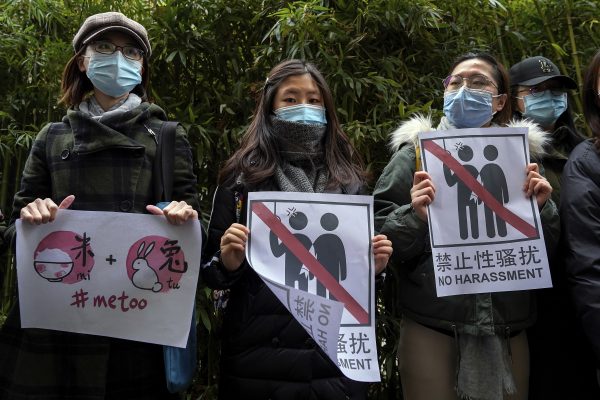
Workplace protections play a crucial role in fostering a safe and fair environment for all employees. However, the intricate web of various laws and regulations governing the workplace can occasionally lead to complexities in understanding and implementing these protections. In cases where sexual harassment laws intersect with other workplace protections, it becomes imperative to untangle these complexities to safeguard comprehensive rights for employees.
For comprehensive guidance on the laws that protect against sexual harassment at work, reach out to a sexual harassment law firm. Their specialized expertise can provide invaluable assistance in navigating the nuances of workplace protections, ensuring that your rights are effectively upheld.
- Understanding Sexual Harassment Laws
- Intersection with Anti-Discrimination Laws
- Overlapping with Workplace Safety Regulations
- FMLA and Harassment Protections
- Disability Discrimination and Harassment
- Retaliation Protections
- Navigating the Legal Landscape
- Importance of Comprehensive Policies
- Empowering Employees Through Education
Understanding Sexual Harassment Laws
Sexual harassment laws play a crucial role in safeguarding employees from unwelcome sexual advances, requests for sexual favors, and other verbal or physical harassment of a sexual nature. One of the key laws in this area is Title VII of the Civil Rights Act of 1964, which provides a comprehensive framework for addressing and preventing sexual harassment in the workplace. Title VII aims to create a work environment free from hostility and ensures that all employees can work in an atmosphere that is safe, respectful, and conducive to professional growth.
Title VII applies to employers with 15 or more employees and explicitly prohibits discrimination based on sex, which encompasses sexual harassment. The California Fair Employment and Housing Act (FEHA) complements Title VII by offering additional protections. FEHA covers employers with five or more employees and provides broader remedies for victims of sexual harassment, thus reinforcing the commitment to creating a workplace free from any form of harassment based on sex.
Intersection with Anti-Discrimination Laws
Sexual harassment laws often intersect with broader anti-discrimination laws that protect employees based on race, color, religion, sex, national origin, age, disability, and genetic information. The overlap of these protections ensures that employees are safeguarded against various forms of discrimination that can occur concurrently with sexual harassment.
For example, an employee may face sexual harassment and racial discrimination simultaneously. Understanding how these laws intersect can help victims seek comprehensive redress for all forms of discrimination they encounter. Legal professionals can help navigate these complex scenarios to ensure all aspects of discrimination are addressed.
Overlapping with Workplace Safety Regulations
Workplace safety regulations, such as those enforced by the Occupational Safety and Health Administration (OSHA), aim to protect employees from hazardous working conditions. While OSHA primarily focuses on physical safety, there is an overlap with sexual harassment laws when harassment contributes to a hostile or unsafe work environment.
Employers are required to provide a safe workplace free from recognized hazards, which includes protecting employees from harassment that could affect their mental and emotional well-being. Understanding this overlap can help employees and employers alike recognize the broader implications of harassment on workplace safety.
FMLA and Harassment Protections
The Family and Medical Leave Act (FMLA) provides eligible employees with up to 12 weeks of unpaid, job-protected leave per year for specific family and medical reasons. The FMLA intersects with sexual harassment laws when employees need time off to recover from harassment-related trauma or to attend legal proceedings related to their harassment claims.
Employers must be aware of their obligations under both FMLA and sexual harassment laws to ensure they do not inadvertently violate employees’ rights. Employees should understand that taking leave for harassment-related issues is protected under the FMLA, and they should not face retaliation for exercising this right.
Disability Discrimination and Harassment
The Americans with Disabilities Act (ADA) is a US law that prohibits discrimination against individuals with disabilities. The ADA also requires employers to provide reasonable accommodations to employees with disabilities. When it comes to sexual harassment, the ADA intersects with harassment laws if the harassment worsens an employee’s existing disability or if a disabled employee is targeted because of their condition.
Employers need to carefully navigate these overlapping legal protections to ensure that they are not only addressing harassment but also providing necessary accommodations for disabled employees. Taking a comprehensive approach to these issues is crucial for protecting the rights and well-being of all employees in the workplace.
Retaliation Protections
Retaliation protections are an essential aspect of both sexual harassment and broader workplace discrimination laws. These protections ensure that employees who report harassment or discrimination are not subjected to adverse actions such as termination, demotion, or unfavorable work assignments.
Understanding retaliation protections is crucial for employees who fear reprisal for coming forward with their claims. Employers must enforce strict anti-retaliation policies to encourage reporting and ensure a safe and supportive environment for all employees.
Navigating the Legal Landscape
Navigating the complex landscape of overlapping workplace protections requires a thorough understanding of various laws and their interactions. Legal professionals can provide invaluable assistance in interpreting these laws and advising on the best course of action for victims of harassment.
By seeking professional legal guidance, employees can ensure that their rights are fully protected and that they receive comprehensive support in addressing their claims. Employers can also benefit from legal advice to ensure they comply with all relevant laws and create a safe, equitable workplace.
Importance of Comprehensive Policies
Employers should implement comprehensive policies addressing workplace harassment and discrimination. Here are the key points:
- Clear Procedures: Outline how to report and address harassment and discrimination, ensuring employees know the process.
- Protections Against Retaliation: Include and enforce measures to protect employees from retaliation when reporting issues.
- Reasonable Accommodations: Specify and implement requirements for providing necessary accommodations for employees with disabilities or other needs.
- Regular Training: Conduct training to educate employees and management about their rights, responsibilities, and handling complex situations.
- Proactive Approach: Regularly review and promote policies to maintain effectiveness and foster a culture of respect.
- Reducing Incidence: Proactively implementing and educating about policies can significantly reduce harassment and discrimination.
Empowering Employees Through Education
Education is a powerful tool in combating workplace harassment and discrimination. By empowering employees with knowledge about their rights and the protections available to them, organizations can foster a culture of respect and accountability.
Training programs should cover the nuances of sexual harassment laws and their intersections with other workplace protections. Employees should be encouraged to report any incidents of harassment or discrimination and assured that their concerns will be taken seriously and addressed promptly.
