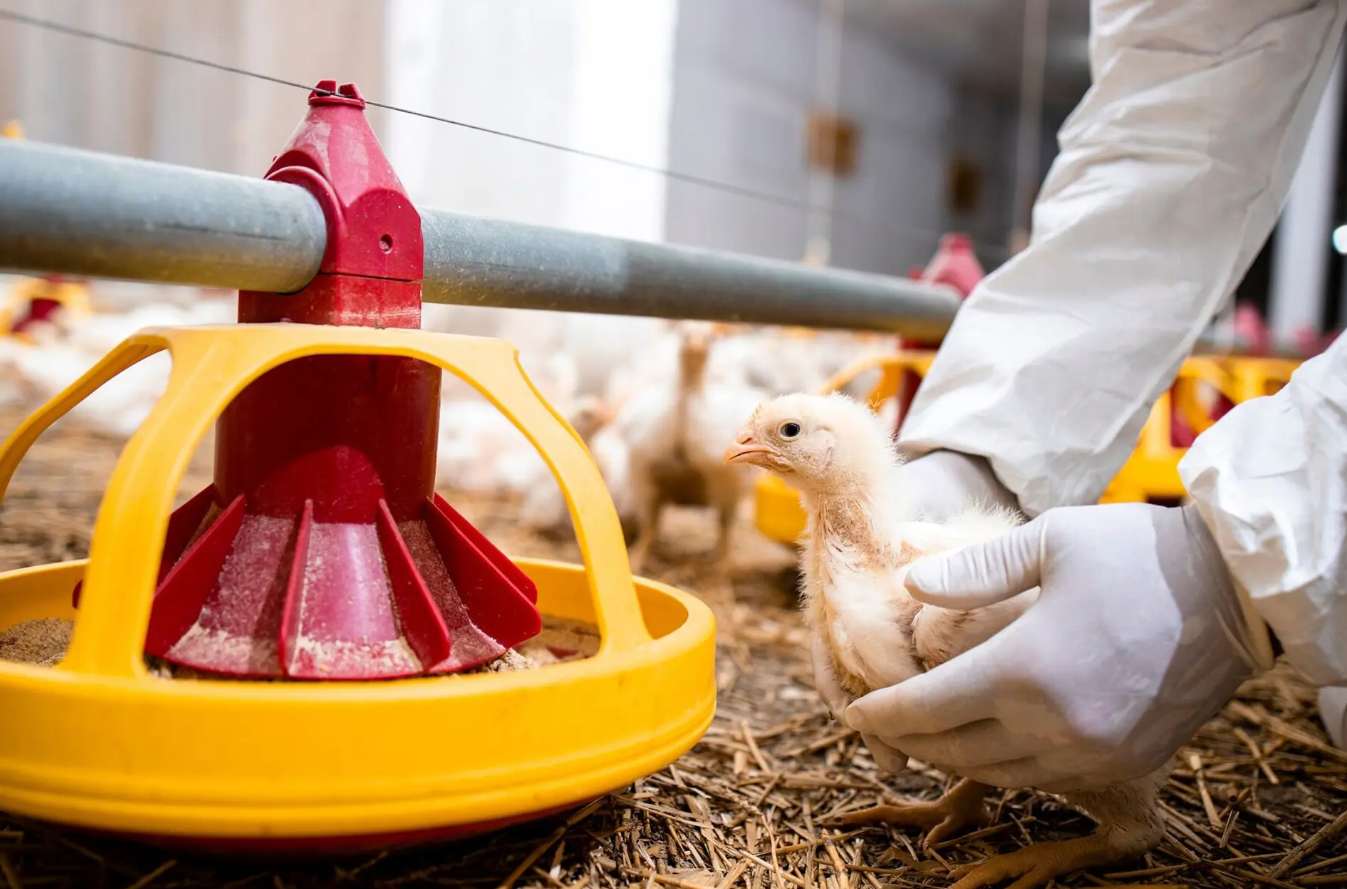
Coccidiosis is a common and economically significant parasitic disease that affects poultry worldwide. Caused by protozoan parasites of the genus Eimeria, this disease primarily targets the intestinal lining of birds, leading to a range of health issues that can severely impact the productivity and well-being of a flock. Understanding the causes, effective prevention strategies, and appropriate treatment options is crucial for poultry farmers to manage and mitigate the effects of coccidiosis in their flocks.
Causes of Coccidiosis in Poultry
Coccidiosis is caused by Eimeria species, with each species affecting different parts of the intestines. The most common species include Eimeria tenella, which targets the cecum; Eimeria acervulina, which infects the upper intestines; and Eimeria maxima, which affects the mid-gut. These parasites have a complex life cycle that includes both sexual and asexual stages, and they reproduce by producing oocysts that are shed in the feces of infected birds.
The spread of coccidiosis occurs primarily through the ingestion of these oocysts, which contaminate the environment, feed, water, and litter. Factors such as poor sanitation, overcrowding, and warm, humid conditions promote the sporulation of oocysts and their subsequent transmission within the flock. Young birds, particularly those between 3 to 6 weeks of age, are most susceptible to coccidiosis, but the disease can affect birds of any age if the environmental conditions are conducive to the proliferation of the parasite.
Discover the innovative solutions offered by BioPoint.
Prevention of Coccidiosis
Preventing coccidiosis is far more effective and less costly than treating an outbreak. Implementing a comprehensive prevention strategy is essential for maintaining a healthy flock.
- Maintain Optimal Biosecurity: Biosecurity is the cornerstone of disease prevention in poultry farming. To prevent the introduction and spread of Eimeria oocysts, it is vital to control access to poultry houses, disinfect equipment regularly, and isolate new or sick birds. Limiting the movement of people, animals, and equipment between different areas of the farm reduces the risk of spreading coccidiosis and other diseases.
- Ensure Proper Litter Management: Wet and dirty litter provides an ideal environment for oocysts to sporulate and become infectious. Regularly clean and replace bedding to keep it dry and clean, and ensure proper ventilation in poultry houses to reduce moisture levels. Frequent removal of wet spots and replacing soiled litter can significantly decrease the likelihood of an outbreak.
- Use Coccidiostats in Feed: Coccidiostats are medications added to poultry feed to inhibit the development of Eimeriaparasites and prevent the onset of coccidiosis. These are particularly effective when used in conjunction with other preventive measures. However, it’s important to rotate different types of coccidiostats periodically to avoid the development of drug-resistant strains of Eimeria.
- Vaccination Programs: Vaccination against coccidiosis is an effective preventive measure, especially in commercial poultry operations. Vaccines introduce a controlled exposure to less pathogenic strains of Eimeria, allowing birds to develop immunity without suffering severe disease. Vaccination is often administered to chicks in hatcheries before they are exposed to the farm environment.
- Reduce Stress: Stress can weaken the immune system of poultry, making them more vulnerable to infections, including coccidiosis. To minimize stress, avoid overcrowding, provide adequate nutrition, and maintain stable environmental conditions. Ensuring that birds have constant access to clean water and balanced feed supports their overall health and immunity.
Treatment of Coccidiosis
Despite the best preventive measures, coccidiosis outbreaks can still occur. Early detection and prompt treatment are critical to reducing the impact of the disease on the flock.
- Administer Anticoccidial Drugs: When coccidiosis is detected, anticoccidial drugs are the primary treatment option. These drugs, such as amprolium, sulfaquinoxaline, and toltrazuril, are administered through feed or water to target the parasite at various stages of its life cycle. It’s crucial to follow the prescribed dosage and duration of treatment to ensure the effectiveness of the drugs and prevent resistance.
- Provide Supportive Care: Alongside medication, supportive care is vital to help infected birds recover. This includes providing easy access to clean water and highly digestible, nutrient-rich feed to maintain the birds’ strength and promote recovery. Adding electrolytes to the water can help combat dehydration and restore electrolyte balance, which is often disrupted by the disease.
- Monitor and Isolate Infected Birds: Isolating infected birds from the rest of the flock can prevent the spread of coccidiosis. Monitor the flock closely for signs of the disease, such as bloody diarrhea, lethargy, and reduced feed intake. Early intervention is key to limiting the severity of the outbreak and minimizing losses.
- Implement Environmental Clean-Up: After an outbreak, it’s essential to thoroughly clean and disinfect the poultry house to remove any remaining oocysts. This includes replacing litter, cleaning feeding and watering systems, and disinfecting surfaces. Maintaining strict biosecurity practices post-outbreak helps prevent reinfection and protects the flock from future outbreaks.
Coccidiosis is a serious disease that poses a significant threat to poultry health and productivity. Understanding the causes, implementing robust prevention strategies, and responding promptly with appropriate treatments are critical steps in managing this disease. By maintaining good biosecurity, managing litter and moisture, using coccidiostats, and considering vaccination, poultry farmers can significantly reduce the risk of coccidiosis in their flocks. In the event of an outbreak, early detection, effective treatment, and supportive care are essential to minimizing the impact and ensuring the continued health and productivity of the flock. With these measures in place, poultry farmers can protect their flocks from the devastating effects of coccidiosis and maintain a successful poultry operation.
