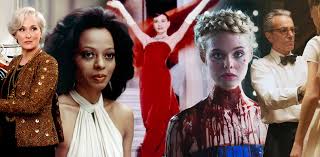
Fashion and pop culture have always been intertwined, creating iconic moments that resonate with audiences worldwide. From the flashy outfits in music videos to the carefully curated wardrobes in movies and TV shows, fashion plays a crucial role in storytelling and character development. This blog explores how fashion has been used in pop culture to create unforgettable moments, highlighting its impact on music videos, movies, and TV shows.
Music Videos: Where Fashion Meets Fantasy
Music videos are a playground for fashion experimentation. They provide artists with a platform to showcase their style and create visual narratives that enhance their music.
Madonna’s “Like a Virgin” (1984)
Madonna’s “Like a Virgin” video is a classic example of how fashion can define an era. Her wedding dress, combined with the iconic “Boy Toy” belt, became a symbol of rebellion and sexual freedom. This look not only cemented Madonna’s status as a fashion icon but also influenced the 80s fashion scene, encouraging a blend of innocence and edginess.
Rihanna’s “Umbrella” (2007)
Rihanna’s transformation from a pop singer to a fashion icon was marked by the “Umbrella” music video. Her edgy, futuristic outfits, including the memorable silver bodysuit, showcased her fearless approach to fashion. Rihanna’s bold style choices in her music videos have continuously set trends and inspired fans around the world.
Movies: Fashion as a Character
In movies, fashion is not just about looking good; it’s about telling a story. Costumes help define characters, set the tone, and transport audiences to different times and places.
Audrey Hepburn in “Breakfast at Tiffany’s” (1961)
Audrey Hepburn’s little black dress in “Breakfast at Tiffany’s” is one of the most iconic fashion moments in cinema history. Designed by Hubert de Givenchy, the dress epitomized elegance and sophistication. Hepburn’s portrayal of Holly Golightly, with her chic wardrobe and timeless style, continues to influence fashion decades later.
John Travolta in “Saturday Night Fever” (1977)
John Travolta’s white suit in “Saturday Night Fever” became a symbol of the disco era. The suit, with its flared pants and wide lapels, captured the vibrant and carefree spirit of the 70s. This look not only defined Travolta’s character but also left a lasting impact on fashion, cementing the disco look as a cultural phenomenon.
Carrie Fisher in “Star Wars” (1977)
Carrie Fisher’s Princess Leia bikini in “Star Wars: Return of the Jedi” became an iconic look that has been replicated and referenced countless times in pop culture. The outfit, though controversial, highlighted Leia’s strength and resilience, adding depth to her character. It remains one of the most memorable costumes in sci-fi history.
TV Shows: Fashion that Defines Eras
Television has the power to influence fashion trends over extended periods, with characters becoming style icons for generations.
Sarah Jessica Parker in “Sex and the City” (1998-2004)
Sarah Jessica Parker’s portrayal of Carrie Bradshaw in “Sex and the City” brought high fashion to the small screen. With her eclectic mix of designer outfits and bold accessories, Carrie became a fashion muse for viewers. Her influence extended beyond the show, impacting real-world fashion and inspiring countless trends.
The Cast of “Friends” (1994-2004)
“Friends” not only shaped sitcom history but also influenced 90s fashion. Jennifer Aniston’s character, Rachel Green, became a style icon with her chic, casual looks. Her layered haircuts and trendy outfits were emulated by fans, making Rachel one of the most influential TV characters in fashion.
The Characters of “Gossip Girl” (2007-2012)
“Gossip Girl” took fashion to new heights with its portrayal of the glamorous lives of New York’s elite. The characters, particularly Blair Waldorf and Serena van der Woodsen, were known for their luxurious and sophisticated wardrobes. The show’s fashion choices set trends and made high-end designer wear more accessible and desirable to a younger audience.
Fashion’s Broader Influence on Pop Culture
Fashion in pop culture goes beyond individual outfits and characters. It reflects societal changes and cultural shifts.
The Evolution of Streetwear
Streetwear’s rise to prominence in pop culture can be traced through music videos and movies. Artists like Run-DMC popularized Adidas tracksuits in the 80s, while more recently, Kanye West and Pharrell Williams have pushed streetwear into high fashion. This evolution shows how fashion on the streets influences mainstream culture and vice versa.
Diversity and Representation
Fashion in pop culture has also played a role in promoting diversity and representation. Shows like “Pose” and movies like “Black Panther” have showcased diverse casts and culturally rich wardrobes, challenging traditional fashion norms and celebrating different identities.
Fashion is a powerful tool in pop culture, capable of creating iconic moments and influencing trends across generations. From Madonna’s provocative outfits to Carrie Bradshaw’s designer ensembles, fashion helps shape our cultural landscape. Whether it’s through music videos, movies, or TV shows, the way characters dress tells a story, reflects societal changes, and inspires audiences worldwide. As fashion continues to evolve, its role in pop culture will undoubtedly remain significant, continually setting the stage for the next iconic moment.
