Inverter generators have become increasingly popular for outdoor activities, providing reliable and efficient power sources for camping, tailgating, and emergency backup. So, what is an inverter generator? It is a device that converts DC (direct current) power into clean AC (alternating current) power, making it suitable for sensitive electronics. Known for their portability and quieter operation compared to traditional generators, inverter generators are ideal for outdoor enthusiasts. However, with this convenience comes the responsibility of ensuring safe usage, as potential hazards like carbon monoxide poisoning and electrical risks must be addressed.
Safety Tip 1: Proper Location and Ventilation
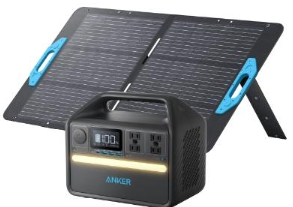
One of the first steps to safely using an inverter generator outdoors is ensuring it is placed in an appropriate location. Generators should always be used outdoors in well-ventilated areas to prevent the buildup of harmful gases. Avoid placing the generator in enclosed spaces, such as garages, tents, or near windows and doors, as this can lead to dangerous fumes being trapped inside. As a rule of thumb, maintain a safe distance of at least 20 feet from any living space or structure. This helps to ensure that any carbon monoxide emitted from the generator is dispersed safely into the atmosphere. If you opt for the Anker 535 Solar Generator, which has a robust structural design and a smart temperature control system that monitors its temperature up to 100 times per second, you can be assured of safe operation in outdoor environments.
Safety Tip 2: Carbon Monoxide Awareness
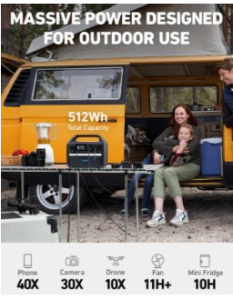
Carbon monoxide (CO) is a colorless, odorless gas produced by fuel-burning equipment, including inverter generators. To prevent carbon monoxide poisoning, always keep a functioning carbon monoxide detector nearby when operating the generator. Familiarize yourself with the symptoms of carbon monoxide exposure, which can include headaches, dizziness, weakness, nausea, and confusion. If you or anyone else experiences these symptoms, evacuate the area immediately and seek fresh air. Fortunately, the Anker 535 Solar Generator offers a safe alternative. As a solar-powered generator, it produces no carbon monoxide, allowing you to enjoy reliable power without the risks associated with fossil fuel combustion. This feature makes the Anker 535 an excellent choice for outdoor activities like camping, tailgating, or emergency backup at home.
Safety Tip 3: Grounding the Generator
Grounding your inverter generator is a crucial safety measure to prevent electrical shocks. Proper grounding helps to direct any stray electrical current safely into the ground, minimizing the risk of injury. To ground your generator, you can use ground rods or stakes. Using a metal rod that is at least 4 feet long, drive it deep into the ground to make solid contact with the earth. Next, attach a grounding wire from the rod to the generator’s grounding terminal. Additionally, using Ground Fault Circuit Interrupters (GFCIs) is advisable. These devices protect against electrical shocks by cutting off power when they detect a ground fault. Always check for GFCI ratings when purchasing extension cords or adapters to ensure added protection while using your inverter generator outdoors.
Safety Tip 4: Avoid Overloading the Generator
Overloading your inverter generator can lead to serious issues, including damage to the generator itself and an increased risk of electrical fires. To avoid this, it’s essential to understand the difference between starting watts and running watts. Starting watts are the surge of power needed to start electric motors and appliances, while running watts are the power required to keep them operating. When calculating the total wattage of the devices you plan to connect, make sure that it does not exceed the generator’s wattage rating. For example, if you plan to run a portable fridge (800 watts) and a lamp (60 watts), the total wattage (860 watts) should be within the generator’s limits to ensure safe operation.
Safety Tip 5: Using Proper Extension Cords
Using the correct extension cords is vital for maintaining safety when operating your inverter generator. Always choose outdoor-rated extension cords to prevent hazards such as electrical shocks and fires. Look for cords with the appropriate gauge; lower gauge numbers indicate thicker cords, which can handle more current and are ideal for longer distances. To avoid tripping hazards, secure the cords neatly and avoid running them across pathways. Additionally, protect the cords from damage by ensuring they are not pinched or placed near sharp edges. This attention to detail will help you operate your generator safely and efficiently. Before using your extension cords, inspect them for any signs of wear or damage. Check for frayed wires, exposed insulation, or melted plugs. Replace any damaged cords immediately to prevent accidents, as using compromised cords can lead to electrical shocks or fires.
Safety Tip 6: Regular Maintenance and Inspections
Routine maintenance is crucial for ensuring the safe operation of your inverter generator. Regularly check essential components such as oil levels, air filters, and fuel lines to ensure everything is functioning properly. Low oil can cause engine damage, so always refill when necessary. A clogged air filter can hinder performance and increase emissions, so it’s important to inspect and clean it regularly. Additionally, examine fuel lines for any signs of leaks or wear to prevent fuel-related hazards. The Anker 535 Solar Generator is designed with durability in mind, featuring ultra-durable electronic components and a smart temperature control system. These aspects not only enhance its longevity but also facilitate easy maintenance. Regularly maintaining your generator can ensure it provides reliable power for a decade or more, as promised by Anker’s InfiniPower™ technology.
Conclusion
In conclusion, using an inverter generator outdoors can enhance your outdoor experience by providing the power needed for various activities. By following these essential safety tips—ensuring proper location and ventilation, being aware of carbon monoxide risks, grounding your generator, avoiding overloading, using appropriate extension cords, and performing regular maintenance—you can enjoy a worry-free outdoor experience. Products like the Anker 535 Solar Generator + 100W Solar Panel are designed to maximize safety and efficiency, allowing you to harness the benefits of portable energy responsibly while prioritizing safety for all your outdoor adventures.
