Introduction to Suburban Living
Suburban living offers a unique synthesis of city convenience and the serene escape in rural outskirts. This lifestyle originated from a yearning to evade the overwhelming commotion of urban centers yet remain within a stone’s throw of essential amenities. Today, suburbs stand at the crossroads of modernity and tradition, luring families and individuals who seek a harmonious way of life. An enticing option for anyone exploring suburban communities is to consider the offerings of Oakville homes for sale, which bridge the gap between vibrant cityscapes and tranquil retreats. The pandemic has further accelerated the trend toward suburban living as remote work becomes more prevalent and the need for more personal space grows. Suburbs, therefore, present an appealing alternative—positioning themselves as residential areas and thriving communities where residents can achieve a well-rounded lifestyle.
The Benefits of Living in Suburbs
One of the standout advantages of suburban living is the economically favorable environment it provides in contrast to urban centers. The abundance of space in suburban areas allows for diverse housing options, from expansive single-family homes to cozy townhouses, catering to the varied needs of modern-day residents. As housing prices surge in inner cities, suburbs serve as a financial refuge, offering more bang for one’s buck. Beyond financial considerations, suburban life often boasts an enhanced quality of life. The absence of towering skyscrapers reduces noise pollution and ensures a stronger connection to nature. Furthermore, local parks and community centers foster a sense of belonging, creating tight-knit communities. These elements significantly improve life satisfaction metrics, making suburbs an attractive option for many.
Balancing Urban and Rural Life
Suburbs strike a delicate balance between urban conveniences and rural tranquility. Residents often have the luxury of expansive green spaces, parks, and walking trails at their doorstep. This access to nature provides a perfect backdrop for outdoor activities, family outings, or unwinding after a long day.
Despite this, the city’s vibrancy is always close. Suburban residents can easily tap into urban centers’ cultural and economic perks, including dining, shopping, and entertainment. The duality of access to both city and nature allows for a well-rounded lifestyle that appeals to a diverse demographic.
Trends in Suburban Development
The face of suburban development is evolving, marked by the rising popularity of mixed-use spaces. These developments weave residential, commercial, and recreational facilities into one cohesive space, offering a bustling yet contained community life. Another significant trend reshaping suburbs is the integration of innovative technologies. As homes become more intelligent and equipped with cutting-edge technological advancements, residents experience heightened security, improved energy efficiency, and seamless connectivity. Insights from Smart Home Technologies underline how these advancements transform lives, making daily living hassle-free and more sustainable.
Real-Life Experiences: Stories from Suburban Dwellers
Dwelling in the suburbs comes with its unique narratives and experiences. Take, for example, Michelle Johnson, a mother of two who transitioned from urban living to the suburbs. “The move provided an idyllic setting for my kids to grow up,” she reflects, highlighting the suburban emphasis on family values and safety.
For many like Michelle, the rewards of suburban life surpass the occasional drawbacks, such as commuting challenges. The sense of community and ample outdoor spaces for recreation support a lifestyle where professional and personal lives thrive.
Designing the Perfect Suburban Home
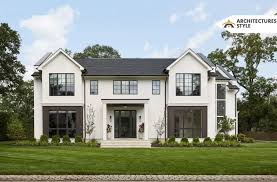
Designing a suburban home involves striking the perfect balance between functionality and aesthetics. Homeowners often prioritize features that cater to a modern lifestyle—open floor plans, minimalistic designs, and energy-efficient systems are in high demand. Architectural styles in the suburbs embrace classic and contemporary designs, appealing to a diverse population. The result is homes with comfort and style, accommodating families, young professionals, and retirees who seek a peaceful yet connected setting.
Environmental Impact and Sustainability
The environmental footprint of suburban development is a pressing concern, but recent strides in eco-friendly construction practices are paving the way for greener communities. Builders increasingly focus on sustainable materials and designs that enhance energy efficiency, from solar panels to rainwater collection systems. Community-driven sustainability initiatives, such as local recycling programs and the establishment of community gardens, further promote ecological consciousness. These efforts culminate in creating neighborhoods that respect and preserve the environment, ensuring longevity for future generations.
Considerations for Moving Suburban
Before leaping to suburban life, potential movers should carefully evaluate various factors—including budget, lifestyle preferences, and long-term goals. Understanding personal and family requirements is crucial, as the transition to suburban living entails adjustments in daily routines and commuting patterns.
As with any significant life change, thorough research is paramount. Assessing neighborhood attributes, school systems, and future growth potential will ensure a satisfying and rewarding suburban transition. Whether it’s the expansive lawns, the safety for children, or the proximity to nature, the charm of the suburbs lies in offering diverse perks wrapped in a package of comfort and convenience.
