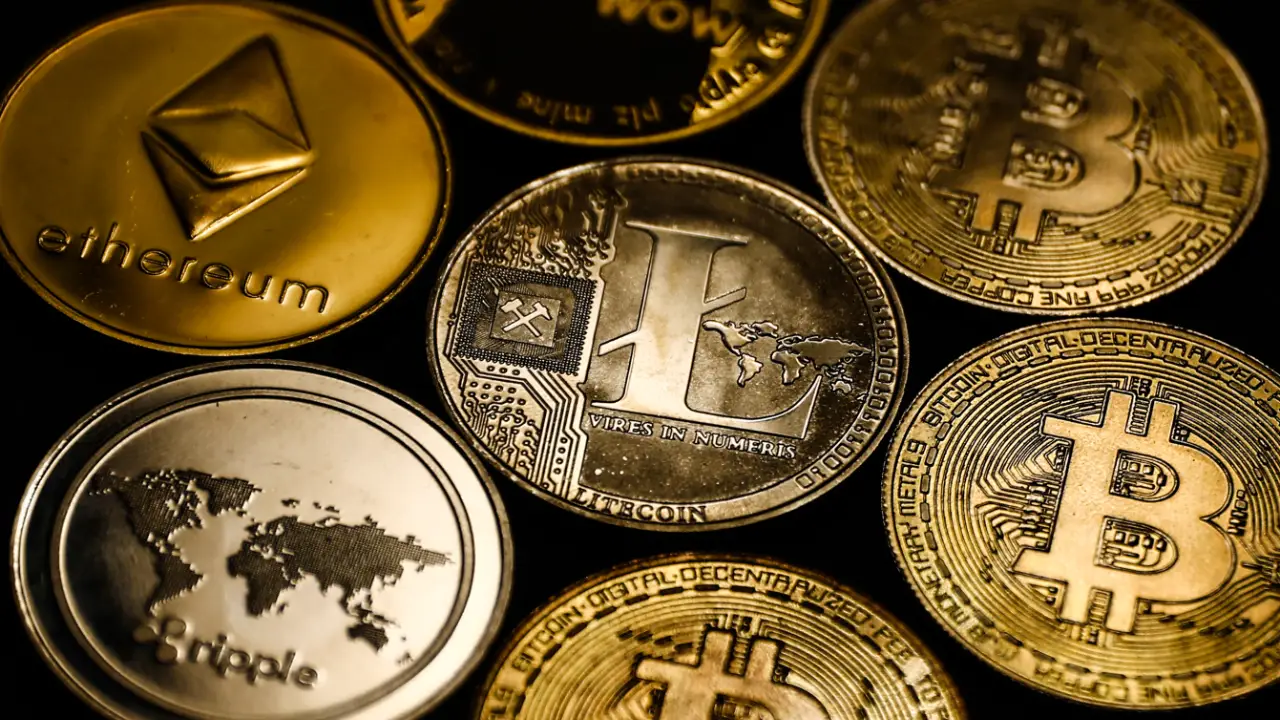
In recent years, the price of digital currencies has attracted significant attention from investors, traders, and economists alike. However, the fluctuations in the value of these digital assets remain a topic of intense debate. While the public often refers to it by its popular name, the market for these assets can be quite intricate and understanding the forces at play can be both rewarding and educational. In this article, we delve into the factors that drive the price of one of the most well-known assets in this space and the dynamics that influence its value.
What Affects the Value?
When it comes to determining the value of these assets, there are several key factors that play a significant role. From market demand to technological advancements, the price of these assets is influenced by a combination of elements that can fluctuate in response to global events and investor behavior.
Market Demand and Supply
The law of supply and demand is one of the most fundamental concepts driving the price of any asset. In markets where demand exceeds supply, the value tends to rise, and when the supply outpaces demand, prices tend to fall. For assets of this nature, the supply is often fixed, meaning that only a certain number of units will ever be created. This fixed supply coupled with growing demand can result in significant price increases.
As more individuals, companies, and even institutions begin to take an interest in purchasing, using, and holding these assets, the pressure to acquire them increases, which can lead to rising prices. This dynamic is a key reason why the price has experienced large swings over time, particularly during periods of growing interest and new market participants. You can also explore immediate apex ai for further information.
Investor Sentiment and Speculation
Another major factor that influences price fluctuations is investor sentiment. Just like any asset, market participants’ perceptions, attitudes, and emotions can drive price volatility. For example, positive news, announcements from influential figures, or a sense of optimism about the future potential of the asset can cause a rush of buying activity, pushing the value higher.
Conversely, negative news, security breaches, or regulatory concerns can lead to panic selling, which drives prices down. In the world of high volatility, short-term fluctuations can be heavily influenced by the collective sentiment of traders and speculators.
Technological Developments
The innovation behind these assets also plays a pivotal role in determining price trends. Technological improvements, such as network upgrades, security enhancements, and new features, can add value to the asset in the eyes of investors. For instance, the development of improved scalability solutions or features that enhance user privacy and transaction efficiency can lead to higher adoption and, consequently, a potential increase in price.
Moreover, advancements in blockchain technology, including faster transaction speeds and lower fees, can influence the market by making the asset more appealing for both everyday transactions and large-scale use by businesses.
Impact of Global Events
Regulatory Frameworks
Regulation—or the lack thereof—has a profound effect on the market for these assets. Governments and financial authorities around the world continue to grapple with how to approach regulation of this asset class. Countries that introduce favorable regulatory environments can spur growth and raise prices, as businesses and institutional investors feel more comfortable participating in the market.
On the other hand, when governments impose restrictive measures or outright bans on the use of digital assets, the price can take a sharp downturn. This is especially true in countries where the economy is heavily involved in these markets. Uncertainty surrounding new regulations, or fears of future crackdowns, often results in price volatility, as traders react to the changing environment.
Macroeconomic Factors
Global economic trends, such as inflation rates, monetary policy decisions, and shifts in traditional financial markets, can also affect the market for these assets. During times of economic uncertainty, many investors look to digital assets as a hedge against inflation or a store of value, driving up demand. On the other hand, if traditional markets are performing well or if the global economy is stable, demand for alternative assets may decrease, causing prices to fall.
Additionally, events like financial crises, currency devaluations, or even pandemics can lead to increased interest in alternative financial assets. The reaction to such global events often amplifies market movements and has the potential to influence prices in the short to medium term.
Institutional Adoption
Over the years, institutional players have begun to recognize the potential of this digital asset, and their involvement has had a significant impact on the price. Investment firms, hedge funds, and even publicly traded companies have started adding these digital assets to their portfolios. This influx of institutional capital brings with it new levels of legitimacy and has been a driving factor in the overall price growth.
Institutional involvement tends to stabilize prices to some degree, but it also exposes the asset to the influence of large-scale investors who may have different priorities, such as short-term profit or long-term accumulation. Consequently, institutional adoption can result in both upward and downward pressure on prices.
Market Liquidity and Exchange Platforms
Liquidity, or the ease with which an asset can be bought and sold, is another key factor influencing price. In markets with low liquidity, even small trades can cause significant price fluctuations. This can be problematic for traders and investors who wish to exit their positions quickly without affecting the market too much.
The platforms on which these assets are traded also play a role in determining price. Some exchanges have better liquidity, offer more features, and ensure more efficient trading than others. Additionally, the availability of leverage and margin trading on certain platforms can lead to higher volatility and affect short-term price movements.
The Role of Mining
Mining, the process by which new units are created and transactions are verified, also influences price trends. Changes in mining difficulty, the reward structure for miners, and energy costs can have a direct impact on the overall market. For example, if mining becomes more expensive, the supply of new units could slow, which may put upward pressure on the price. Conversely, changes in mining incentives or regulations can lead to a decrease in mining activity, potentially causing the price to drop.
Conclusion
In conclusion, understanding the price dynamics of these digital assets requires a multi-faceted approach. The interplay between supply and demand, technological advancements, investor sentiment, global events, and macroeconomic trends all contribute to the fluctuating prices. As the market matures and as more participants enter the space, the volatility may decrease, but the factors influencing price will continue to evolve. While predicting future price movements remains a challenge, staying informed and understanding the key drivers behind price changes can help investors make more educated decisions in this rapidly changing market.
