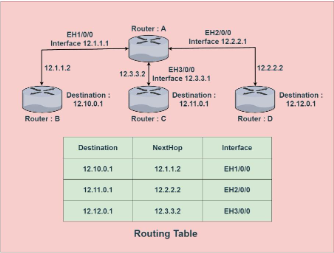
Optimizing routing and FIB tables is crucial for maintaining an efficient and reliable network. The routing table, often part of the routing information base, includes all known networks and paths to reach them. In contrast, the Forwarding Information Base (FIB) table holds only the best path to each network, ensuring packets take the most efficient routes. Routers rely on these tables to manage data flow effectively. This blog explores the challenges in optimizing these tables, strategies for improvement, and the significant benefits of maintaining a well-managed routing information base and FIB table for peak performance.
What Are the Challenges in Routing and FIB Table Optimization?
Common Issues in Routing Table Management
Routing tables can become large and complex, especially as networks expand. This growth increases the demand for memory and processing power, making routing table management more challenging. Misconfigurations may arise, causing inefficiencies due to suboptimal routing paths. Additionally, route updates from dynamic routing protocols can sometimes be inconsistent, leading to route flapping and potential network instability. These factors complicate routing table management and may impact overall network performance. Addressing these challenges requires proactive management to keep the routing table accurate, efficient, and aligned with network needs.
FIB Table Bottlenecks and Their Impact
FIB tables, which are derived from routing tables, may also experience bottlenecks, particularly when dealing with high volumes of data. Large FIB tables slow down packet processing times, which in turn can increase network latency. Because FIB tables require substantial memory resources, routers with limited capacity may struggle, resulting in sluggish performance and delayed packet forwarding. These inefficiencies can degrade the user experience and impact critical applications. Managing FIB table size and resource allocation is essential for maintaining network speed and ensuring efficient data handling, especially in high-demand environments.
Identifying Inefficiencies in Network Design
Poor network design contributes to challenges in managing routing and FIB tables. Networks that lack segmentation or have redundant paths can create unnecessary routing entries, which in turn overload the routing and FIB tables. Additionally, inadequate planning for hardware and resources may leave routers struggling to handle growing table sizes. These issues not only strain router capacity but can also lead to slower packet forwarding. Streamlining network design by reducing redundant paths, segmenting networks, and planning for scalability helps minimize these challenges, creating a more efficient and adaptable infrastructure.
How Can Routing Tables Be Optimized for Better Performance?
H3: Utilizing Dynamic Routing Protocols Effectively
Dynamic routing protocols such as OSPF, BGP, and EIGRP offer a powerful solution for managing routing tables. These protocols share route updates automatically, ensuring routers have current information. By fine-tuning protocol settings, you can reduce convergence times and minimize issues like route flapping. Effectively configured dynamic protocols eliminate the need for constant manual updates, maintaining efficient routing under changing network conditions. Using dynamic routing to streamline routing tables ensures networks remain adaptable and helps avoid disruptions, contributing to more stable and efficient operations.
Best Practices for Static and Dynamic Routing
Balancing static and dynamic routing techniques can improve network performance. Static routes provide stability and predictability, making them ideal for critical paths, while dynamic routing offers flexibility to accommodate network changes. Using static routes for essential paths and dynamic protocols for less predictable routes enables effective route management without overwhelming the routing table. This mix of strategies enhances performance, ensuring the network remains responsive to changes while maintaining stable paths for critical traffic. The right combination of static and dynamic routing is key to optimizing routing tables for both efficiency and reliability.
Regular Auditing and Updating of Routing Tables
Regular audits of routing tables are essential for identifying outdated or incorrect entries that can clutter the table and impact performance. By removing obsolete routes and adjusting entries to reflect the current network topology, you can keep the routing table optimized for efficient packet delivery. Automated auditing tools can simplify this process by providing real-time insights, helping to detect and correct issues as they arise. Regular updates prevent routing table bloat, ensuring that routers operate with streamlined, accurate information and contribute to smoother, faster network performance.
How to Optimize FIB Tables for Efficient Packet Forwarding?
H3: Leveraging Hardware Acceleration for FIB Tables
Modern routers equipped with hardware acceleration can significantly enhance FIB table performance by speeding up packet forwarding processes. Hardware-based forwarding engines reduce lookup times, making FIB table processing faster and more efficient. This capability is particularly valuable for high-speed networks, where reduced lookup times lead to quicker data transmission and an overall boost in performance. By using routers with specialized hardware for packet forwarding, you ensure that FIB tables operate at optimal efficiency, handling heavy data traffic with minimal delays.
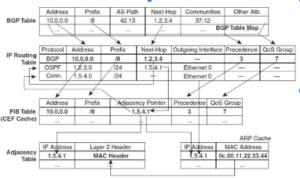
Minimizing FIB Table Size for Faster Lookups
A manageable FIB table size contributes to faster lookup speeds and reduced processing delays. Techniques like route aggregation and summarization can reduce the number of FIB entries, enabling routers to process packets more efficiently. Summarizing multiple routes into single entries minimizes table size, making data forwarding faster and more responsive. Implementing these methods keeps FIB tables streamlined, enhancing packet forwarding performance while reducing memory and processing demands on routers. In high-traffic networks, efficient FIB management is essential for maintaining speed and minimizing latency.
Ensuring Compatibility with Advanced Routing Protocols
To optimize FIB tables, ensure compatibility with the latest routing protocols, which offer advanced features for route optimization. Updating router firmware and software to support these protocols can improve FIB management by enabling more efficient route handling. Protocol compatibility also allows the FIB table to benefit from advanced routing features, enhancing route selection and overall forwarding efficiency. Keeping FIB tables compatible with cutting-edge protocols ensures that your network can take advantage of ongoing improvements in routing technology, leading to enhanced performance and better resource utilization.
What Are the Benefits of Optimized Routing and FIB Tables?
Enhanced Network Speed and Reliability
Optimizing routing and FIB tables leads to faster and more reliable network operations. By maintaining efficient routing paths, data packets can travel faster, reducing transmission time. Reliable route selections prevent packet loss and reduce the need for retransmissions, ensuring that data reaches its destination efficiently. Overall, a well-managed network sees improvements in speed and reliability, providing a better user experience and supporting demanding applications. This optimization is crucial for networks that prioritize speed, stability, and consistent connectivity across various devices and endpoints.
Reduced Latency and Improved Packet Delivery
Efficient management of routing and FIB tables plays a vital role in reducing network latency. Optimized tables ensure packets are forwarded swiftly, minimizing delays. This improvement is especially beneficial for latency-sensitive applications, such as VoIP and video conferencing, where even small delays can impact performance. Streamlined tables lead to prompt packet delivery, providing a seamless experience and maintaining the quality of services for end-users. By reducing latency, networks can better support high-performance applications and deliver faster response times across all types of data transmissions.
Scalable and Future-Ready Network Architecture
A network with optimized routing and FIB tables lays a strong foundation for scalability. As network demands grow, these tables can accommodate new devices and routes without significant performance loss. Effective table management also ensures that the network can adapt to evolving technology needs. Scalability allows the network to handle expansion and increased traffic seamlessly, preparing it for future growth and innovation. Optimized routing and FIB tables support a flexible architecture, ensuring that the network can evolve alongside technological advancements and expanding connectivity needs.
Conclusion
Optimizing routing and FIB tables is essential for achieving peak network performance. By addressing common challenges and implementing effective strategies, you can significantly enhance network efficiency, reduce latency, and boost reliability. Regular auditing, dynamic routing protocols, and hardware acceleration are vital elements of a well-optimized network. Embracing these practices not only supports current performance but also prepares your network for future demands. An optimized routing information base and FIB table ensure a scalable, future-ready network architecture capable of meeting the connectivity and performance requirements of today’s digital landscape.
