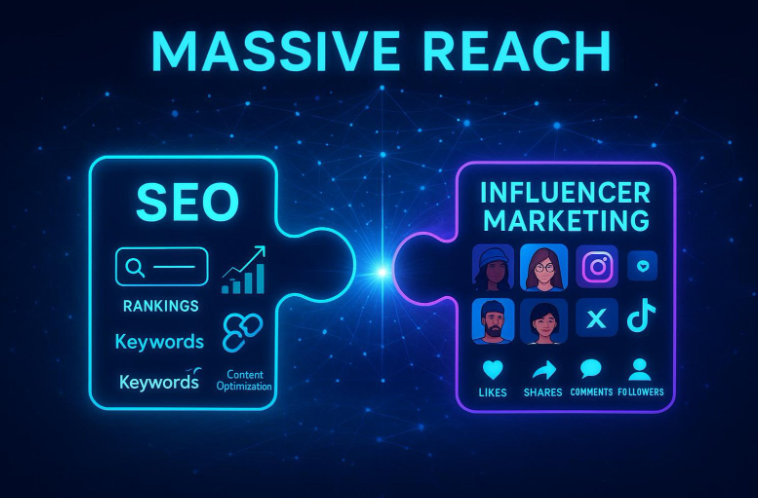
By 2025, digital marketing looks very different. A big part of that change comes from how influencer marketing and SEO now work side by side. They used to be handled separately. Today, they connect and support each other to spread brand messages and grow reach at scale.
The question is not if they fit together, but how this partnership now drives strong visibility and engagement.
As we explore how this link works, it becomes clear that learning this fast-changing mix matters for any brand that wants to grow online. For basics and steps, see this detailed Influencer Marketing Guide by NON.agency.
- What Is Influencer Marketing in 2025?
- Key Trends Shaping Influencer Marketing and SEO in 2025
- Types of Influencers and Their Impact on SEO
- How Influencer Marketing Boosts SEO Performance
- Creating an Integrated Influencer-SEO Strategy
- How to Measure the ROI of SEO-Driven Influencer Campaigns
- Risks and Pitfalls in Influencer-SEO Collaboration
- Real-World Examples: Influencer Marketing with SEO Success
- Frequently Asked Questions about Influencer Marketing and SEO in 2025
- Key Takeaways on Influencer Marketing and SEO Collaboration
What Is Influencer Marketing in 2025?
Influencer marketing in 2025 is not the old model of celebrity shout-outs. It is a focused approach that uses people with proven trust and know-how in specific niches to talk about products or services. These creators, from mega names to small but engaged leaders, connect brands with online buyers. Their strength is shaping opinions and actions with a human touch that classic ads often miss. The industry is on track to reach $32.55 billion by the end of 2025, which shows steady growth and impact.
The main idea stays the same: find voices that your audience respects, then build partnerships to boost trust and reach. What changed is the planning and mix with other channels. Today, influencer work blends proven marketing basics with modern content and real relationships.
What Differentiates Influencer Marketing in 2025 from Previous Years?
The biggest shift in 2025 is the move from follower count to true engagement and honesty. Mega-influencers still help with reach, but micro and nano-influencers get more focus. These creators may have a few thousand followers, yet they build strong trust inside tight-knit groups. Their posts feel personal, leading to better clicks and sales.
On platforms like Instagram, nano creators now make up a large share of the creator base, showing their rising role.
Another big change is budget planning. Brands now pick precision over volume. They favor smaller, sharper campaigns instead of costly, one-off blasts. The goal is long-term work with creators who match brand values, which keeps content flowing and real. This is very different from quick, transactional posts that were common in earlier years.
How Do SEO and Influencer Strategies Interconnect for Brand Growth?
In 2025, the link between SEO and influencer work is a base layer for growth. Influencers are more than social faces; they drive search reach. Their content-blogs, YouTube reviews, TikTok videos-can lift rankings and overall online presence in direct and indirect ways.
Direct impact comes from high-quality backlinks from creator sites and blogs. These links help domain strength and ranking on search results pages. When creators send users to your site, that traffic also tells Google your content is useful, boosting click-through rates and helping rankings.
Indirect impact comes from viral content that sparks search trends and more branded traffic. Many people, especially younger users, now discover products on TikTok or Instagram first. They then look up brands on search. So creator content is a key part of how people find and research brands across platforms, feeding organic growth.
Key Trends Shaping Influencer Marketing and SEO in 2025
Digital marketing keeps shifting, and 2025 brings big changes to how influencer work and SEO fit together. These trends focus on real voices, smart tech, and clear insights into audience behavior.
AI-Powered Influencer Discovery and Content Optimization
AI is now a daily tool in influencer campaigns. New platforms go beyond follower counts and study engagement quality, audience makeup, and brand fit. This helps brands pick creators who truly match their audience, leading to better results. Marketers report better outcomes thanks to AI-driven matching, personalization, and predictions that make campaigns more precise, scalable, and cost-effective.
AI also helps with content. Creators use AI to produce sharp visuals and videos for niche groups without losing quality. Content becomes more engaging and better tuned for each platform and search need, including in-app search. Agencies such as NON.agency increasingly integrate these AI-driven insights into influencer and content strategies, ensuring stronger visibility across both traditional and AI-powered discovery.
AI search tools like ChatGPT and Gemini now surface creator content in answers, widening reach beyond classic search.
The Rise of Live Video and Short-Form Content
Video rules in 2025, especially short clips and live streams. TikTok and Instagram Reels power quick reach and awareness. Live video is also growing fast, with more than half of marketers favoring it for real-time interaction and a more human feel. Viewers want quick, two-way content, not ads. With built-in social shopping, live video is becoming a strong path to sales driven by creators.
Creators excel at platform-ready video: demos, how-tos, and Q&As. These formats send traffic to product pages, FAQs, and special offers. Video also builds trust and proof, which lifts brand favor and supports better search results.
Emphasis on Community Building Over One-Off Promotions
Quick, one-off sponsored posts are fading. In 2025, brands focus on long-term work and community. Ongoing partnerships build trust and loyalty. Many experts expect more brands to back long-term creator relationships, shifting to community-led efforts.
Creators act as community leaders, using polls, Q&As, and events to involve their audience. This sparks real user content (UGC) that supports social proof. Such content helps search engines read a brand as trusted and active, which lifts rankings.
Cross-Platform Visibility and Regulatory Developments
People discover products across many platforms. A user might see a product on TikTok, watch reviews on YouTube, then compare on Google. Brands that show up in all these steps win more search traffic. This calls for a spread-out plan with campaigns that fit a multi-step journey.
Rules also shape this approach. Uncertainty around platforms like TikTok in the US pushes brands to avoid relying on one channel and to test new options. This spreads risk and supports steadier results. Also, the FTC keeps pushing for clear disclosure on paid content. Brands must make sure creators follow these rules to keep trust and avoid problems that can hurt results and reputation.
Types of Influencers and Their Impact on SEO
The creator space is wide, from global stars to niche voices. Knowing these groups helps you plan influencer work that also supports your search goals.
Micro, Macro, and Nano Influencers: Definitions and Differences
Creators are often grouped by follower count, though impact goes beyond numbers:
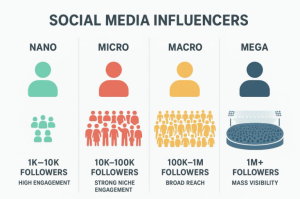
- Nano Influencers (1,000 to 10,000 followers): Everyday people with tight, loyal groups. Their strength is personal ties and peer trust. They often get the highest engagement. For SEO, they build local buzz and deep trust, sending targeted referral traffic and real UGC.
- Micro Influencers (10,000 to 100,000 followers): Specialists in narrow niches like beauty, fitness, or travel. Engagement stays high. They speak to focused markets with relatable content and can grow authority for specific industry search topics.
- Macro Influencers (100,000 to 1 million followers): Established niche voices with large, engaged audiences. They reach big groups that still share interests. Good for targeted reach at scale and for growing branded search.
- Mega Influencers (Over 1 million followers): Celebrities or public figures with huge reach. Engagement rates can be lower due to broad audiences. Best for large awareness pushes that spark big jumps in branded searches.
- AI/Virtual Influencers: Digital characters built with AI. Brands control the message and look. As AI improves, more campaigns will use them for steady messaging and a tech-forward feel.
Selecting the Right Influencer by Audience Size and Niche
Your goals guide the choice. If you want deep trust and highly targeted traffic in a narrow community, pick nano creators. Their close bond with followers gives weight to their posts. If you want wider awareness with some targeting, choose macro creators.
In 2025, brands put fit, skill, and engagement ahead of follower totals. This means closely checking audience data, engagement, content match, and past work. Read comment sections to spot recurring questions and keywords.
These clues help shape creator scripts and your own SEO planning. Pick creators whose audience truly matches your target group so your message reaches people likely to buy.
Influencers’ Roles in B2B vs. B2C Campaigns
Influencer work is common in B2C, but it also works well in B2B with different voices and platforms. In B2C, creators make reviews, tutorials, and lifestyle content on Instagram and TikTok to nudge direct buys. They grow engagement, awareness, and sales through honest posts.
In B2B, creators are often leaders, experts, or executives who speak to professional groups. They discuss trends, careers, and inside views on LinkedIn, X, and niche forums. These partnerships boost credibility, reach pro audiences, and shape business choices. Long-form content like blogs and podcasts helps with industry search authority and can earn strong backlinks, which supports B2B SEO.
How Influencer Marketing Boosts SEO Performance
Influencer work and SEO feed each other. Creators help search results both directly and indirectly across many touchpoints.
Direct SEO Benefits: Backlinks, Reach, and Content Amplification
Backlinks are a clear win. When creators link to your site from their blogs or sites, search engines treat those links like votes of trust. More high-quality links help domain strength and rankings.
Creators also grow reach and visibility. Their audiences expose your brand to new users. When they link to you, referral traffic climbs. Search engines read steady traffic from known sources as a good sign. Mentions and links together tell algorithms your brand is relevant. Creators also excel at content amplification. Reviews, tutorials, and Q&As spread your message widely. Add the right keywords and hashtags and that content lives longer and stays discoverable across social and search.
Indirect SEO Impact: Driving Branded Search and Social Signals
Creators boost branded search. A viral TikTok or Instagram post can lead people to look up your brand name on Google. For example, after Marques Brownlee reviewed Sonos headphones, searches for “Sonos headphones” spiked. Higher branded search shows search engines that your brand is popular and relevant, which helps rankings for those terms.
Creator activity also sparks social signals. Likes and shares alone may not rank pages, but the wider buzz helps your presence and authority. Viral content often earns news coverage and links from strong sites. That adds more backlinks and reach. Comments on creator posts also reveal new questions and phrases you can use in your own content to match real search demand.
Building Trust, Authenticity, and Domain Authority
Influencer marketing runs on trust. People often trust creator advice like they trust a friend. This borrowed trust helps SEO. Google’s E-E-A-T (Experience, Expertise, Authoritativeness, Trustworthiness) matters for rankings. UGC from creators that shows real use of your product helps meet these points and can lift search results.
When a trusted creator posts an honest review, it builds belief in your brand. This nudges followers to become customers and signals to search engines that people value your brand. Long-term creator deals deepen that effect. The creator becomes a steady advocate, weaving your story into their content over time. This consistent presence builds a strong online identity and lifts domain strength, leading to steady organic growth.
Creating an Integrated Influencer-SEO Strategy
To win in 2025, connect influencer work and SEO into one plan. Do not run them in separate lanes. Build a single approach where each part supports the other.
Setting Campaign Objectives for Maximum Search Impact
Start with clear, trackable goals. What search results do you want from this campaign? Do you want more brand awareness, traffic to a landing page, more sales, or higher rankings for certain keywords? For broad awareness, you might pick macro creators to spark branded searches. For niche keyword wins, micro creators with tight, active audiences may fit better.
Make goals SMART: Specific, Measurable, Achievable, Relevant, and Time-bound. This guides creator choice and content plans and sets a yardstick for success. Pick the metrics that matter-referral traffic, keyword rankings, time on page, or conversions-so each creator post maps to a clear SEO outcome.
Best Practices for Collaboration and Creative Control
Work with creators, not over them. Share your goals and guardrails, then give room for their voice. Creators know what their audience likes. If briefs are too strict, content can feel fake and fall flat. Co-create stories that fit the creator’s style and place your brand naturally. Bring creators in early and trust their take on how to present your offer.
Creative freedom still needs oversight. Content should match your values and meet rules on sponsorship disclosure. Keep communication open, set clear expectations, and build respect on both sides. Real, consistent content grows trust with audiences, which helps engagement and SEO.
Maximizing Multi-Platform Content Distribution
Your brand lives beyond your site. Spread content across platforms to meet users where they are. Creator posts appear on YouTube, TikTok, Instagram, and niche forums-and can also surface in Google and AI answers. Done well, one creator post can touch many discovery paths.
Ask creators to add useful keywords to titles, captions, and hashtags to help in-app and web search. Reuse creator content on your site, landing pages, and socials to lift engagement and time on page, which supports ranking. This helps more people see the story and moves traffic back to your owned pages, building authority across channels.
How to Measure the ROI of SEO-Driven Influencer Campaigns
Measuring ROI for SEO-led creator campaigns in 2025 means looking past vanity stats. Link creator actions to business results.
Key Performance Indicators: Traffic, Rankings, and Engagement
Set KPIs before you start. Common groups include:
- Traffic: Track referral traffic from creator links and growth in branded searches on Google and social platforms. Use Google Analytics to see visits, unique users, and traffic sources.
- Rankings: Watch keyword rankings for both branded and non-branded terms. Backlinks and branded search from creator work should move positions up. Compare before, during, and after the campaign.
- Engagement: Likes, comments, and shares show how content lands with the audience. This can prompt more branded searches and site visits. Comments also surface new keyword ideas.
- Conversions: Track sign-ups, leads, and sales with unique links, codes, or UTMs for each creator. This ties revenue to the right posts.
SEO gains often build over time. Direct clicks and short-term sales matter, but long-term growth in domain strength, brand trust, and steady organic traffic can be even more valuable.
Tools and Data Approaches for Campaign Analysis
In 2025, a strong set of tools helps you analyze results. Use a mix of platforms:
- Google Analytics: For traffic sources, user behavior, and conversion tracking.
- Influencer Analytics Tools: Tools like Sprout Social Influencer Marketing or creator marketplaces for performance, engagement, audience data, and reach.
- SEO Tools: Ahrefs, SEMrush, or Ubersuggest to track backlinks, keyword rankings, domain strength, and branded search.
- Social Listening Tools: Track mentions, sentiment, and trending topics to gather insight and new keyword ideas.
Pull data together for a full view. Review results on a regular schedule. Compare cost to revenue and adjust based on what the data shows. Test, learn, and improve so influencer work drives awareness, engagement, and clear returns over time.
Using AI and Analytics to Attribute Conversions
AI helps connect conversions to the right touchpoints and improve ROI. In 2025, AI-driven analytics boost performance with personalization and predictions. AI reads real-time data and lets you adjust quickly. It can map the user path from a creator post to a site visit to a sale with more accuracy.
Advanced models find patterns that people may miss. They show which creators, content types, and platforms drive each result. With this detail, you can shift budgets to what works best and make each dollar work harder. Clear reports backed by AI insights also support better long-term partnerships and steady gains across campaign cycles.
Risks and Pitfalls in Influencer-SEO Collaboration
This partnership has big upside, but it comes with risks. Brands need to move carefully to keep results strong and steady.
Compliance with Regulations and Platform Policies
A major risk is breaking rules on disclosures and platform policies. The FTC requires clear labels on paid content. Creators must mark posts with tags like #ad or #sponsored or use other obvious labels. Skipping this can lead to fines for both brand and creator and damage trust. In 2025, audiences watch closely, so honesty is non-negotiable.
Each platform also has its own rules for branded content. Brands should stay current to avoid takedowns, suspensions, or reduced reach. Give creators guidance and resources so they follow disclosure rules. Mistakes can hurt reputation and undercut the SEO value of creator content if posts get flagged or limited.
Common Mistakes: Overlooking Authenticity and Irrelevant Partnerships
One common error is chasing big follower numbers over real engagement and fit. A large but passive or fake audience will not help. Another mistake is picking creators whose content style, values, or audience do not match your brand. The result feels forced. Viewers spot this and may lose trust in both the creator and the brand.
Skipping proper vetting is also risky. You might end up with creators who have a history of problems or content that clashes with your values. Review past partnerships, engagement quality, and audience reality checks. Ask for media kits and confirm that their goals and tone match yours.
Managing Brand Reputation and Audience Trust
Creators hold trust, which is powerful-but it can also backfire. If a creator promotes a weak product or faces backlash, your brand can get pulled into it. This can hurt search results and brand image.
Work with creators who truly use and like your product. Give them room to be honest and speak in their own voice. Skip micromanagement. Long-term, values-based partnerships are the best shield against risk and the best way to grow audience trust over time.
Real-World Examples: Influencer Marketing with SEO Success
The best way to see how this works is to look at brands that used creators and SEO together to win real results.
Recent Influencer Campaigns That Drove Search Visibility
- EA Sports and Apex Legends on TikTok: EA teamed with gaming creators like Brent Rivera to push Apex Legends. Rivera’s post earned over 900,000 likes and reached younger gamers. The campaign boosted social buzz and spiked branded searches for “Apex Legends,” expanding overall search visibility and bringing in new players.
- The Cake App and YouTube in Latin America: Cake, a language-learning app, worked with five YouTube creators who showed how the app works. The videos reached 1.2 million viewers. This targeted plan drove downloads and likely raised organic searches for the app name and language-learning topics.
- Moncler’s #MonclerBubbleUp Challenge: In December 2020, Moncler launched a TikTok challenge with stars like Charli D’Amelio and Bella Poarch. Users made content mimicking the brand’s puffy jackets and then switching into real Moncler coats. The challenge hit 7.8 billion views and thousands of videos. It boosted branded searches for “Moncler” and linked the label with Gen Z culture.
- USIMS and Localized Influencer Marketing: USIMS, an eSIM provider, entered 16 markets with a localized creator plan linked to SEO, ASO, and social. Results: 300,000+ app downloads, a 31.88% conversion rate, 4.3 million views, and 6,400 new paying users. Local content plus SEO lifted both direct sales and organic reach.
Lessons Learned from Brand Case Studies
These cases point to several key lessons for mixing creator work with SEO:
- Authenticity Drives Search: Campaigns that fit the creator and audience-like Moncler’s challenge-spark more organic engagement and more branded search. Forced content hurts both reach and rankings.
- Targeted Reach Wins: Cake’s success shows that niche audiences can deliver big results. Matching creators to your niche brings relevant traffic and can lift keyword rankings.
- Multi-Platform Planning Matters: Creator content can affect discovery across social, video, and web search. Plan for users moving across channels.
- UGC Helps SEO: Challenges and prompts that spark UGC grow reach and add social proof that supports E-E-A-T, which can raise rankings.
- Integration Works Best: USIMS shows the power of tying creator work to SEO, ASO, and other channels for more impact across the journey.
These wins show that smart creator programs can drive real social engagement and strong SEO gains at the same time.
Frequently Asked Questions about Influencer Marketing and SEO in 2025
As digital habits shift, new questions come up about how creators and SEO work together. Here are common questions and clear answers for 2025.
What types of content do influencers create for SEO?
Creators make many content types that help SEO:
- Blog Posts and Guest Blogs: Posts on creator sites or guest posts on industry sites can add strong backlinks to your pages. Even short quotes from creators in your blog add value.
- Product Reviews and Tutorials: Long videos or articles answer user questions and can rank for a long time. With good keywords, they earn steady traffic and often link to product pages.
- Listicles and Round-ups: “Best of” lists from trusted creators can add backlinks and valuable mentions.
- Interviews and Podcasts: Guest spots and interviews add mentions and links and feel more personal, which users like.
- User-Generated Content (UGC) Initiatives: Creator-led prompts that get fans to post about your brand produce real content you can reuse on your site and socials. This supports E-E-A-T.
- Live Streams and Q&As: Live sessions create a quick spike in interest and branded search. Share links during the stream and clip highlights later for keyword-rich content.
How do I choose the right influencers for my brand’s search goals?
Use this simple plan:
- Define Your Target Audience: Know who you want to reach-their age, interests, and habits.
- Check Audience Demographics: Use platform insights to confirm the creator’s audience matches your target.
- Value Engagement Over Size: High engagement beats big but passive numbers.
- Match Niche and Expertise: Make sure the creator covers topics your audience searches for.
- Review Content Quality and Honesty: Look for a real voice and fair reviews.
- Backlink Potential: Favor creators with blogs or sites who can link to you naturally.
- Mine Comments for Keywords: Pull common questions and terms to guide your SEO plan.
- Plan for Long-Term Work: Ongoing partnerships build trust and steady organic growth.
What metrics matter most for influencer-SEO campaigns?
Focus on metrics that tie to search and sales:
- Referral Traffic: Track clicks from creator content with UTMs or unique links.
- Branded Search Volume: Watch for rises in searches for your brand or products.
- Keyword Rankings: Track movement for target terms tied to creator content.
- Backlinks Acquired: Count quality links from creator sites and news mentions.
- Domain/Page Authority: Track changes as backlinks grow.
- Dwell Time and Bounce Rate: See how long creator traffic stays and how many pages they view.
- Conversions and Sales: Attribute sign-ups and purchases to creators with codes and links.
- UGC Volume: Measure follower-made content that boosts trust.
- Sentiment: Use listening tools to gauge how people feel about your brand after campaigns.
What are the best social platforms for influencer-driven search growth?
The right platform depends on your audience and goals, but these stand out in 2025:
- TikTok: Short videos that can go viral fast and push branded searches and traffic.
- YouTube: Long-form reviews and tutorials that rank in YouTube and Google for a long time.
- Instagram: Reels and Stories drive discovery and send users to sites via link tools.
- Blogs and Websites (Owned by Influencers): Great for high-quality backlinks that help SEO directly.
- LinkedIn: Key for B2B reach and authority on professional topics.
- Pinterest: Visual search that can send strong traffic to e-commerce and blogs.
The best plan often uses several channels at once, shaping content to each place your audience spends time.
Key Takeaways on Influencer Marketing and SEO Collaboration
By 2025, mixing influencer work with SEO is a core part of digital growth. Brands that connect these two earn greater reach, trust, and steady results. Passive tactics are fading. Real, steady partnerships now lead.
AI will push this even further. Expect better tools for creator discovery, content tuning, and campaigns that match social behavior with search intent. As buyers get more selective, honest voices and long-term partnerships will matter even more. Brands that invest in lasting, value-led creator relationships will build loyal communities that fuel both social buzz and search lift. In this new setup, creators are not just content makers-they are key parts of your SEO plan, building trust, driving traffic, and shaping how people find you online.
