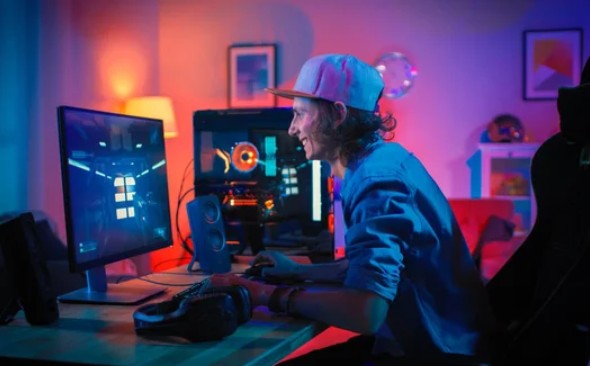
Have you ever logged into a game just to relax, then noticed your avatar, username, and style started to feel like a real part of you?
Online gaming has grown far beyond passing time after school, work, or a busy day. For many people, it has become a place to express taste, build friendships, learn skills, and show personality in fun digital spaces.
What used to be “just a quick match” now often feels like a personal corner of life online. Players are not only playing; they are creating a version of themselves that others can recognize, remember, and connect with.
From Simple Fun to Personal Expression
Online gaming still gives people the simple joy of play. That part has not gone away. A short session can still bring laughter, focus, and a nice break from daily routines.
At the same time, players now have more ways to show who they are. The character they choose, the colors they like, the way they move, and even the name they use can say something personal.
Avatars Feel More Personal
An avatar can be much more than a character on a screen. It can reflect someone’s mood, humor, style, or imagination.
Some people pick a look that feels close to their real-life style. Others enjoy trying something bold, funny, calm, futuristic, or playful. Both choices are meaningful because they give players room to express themselves without needing a long explanation.
Usernames Become Digital Signatures
A username is often the first thing other players see. Over time, it can become familiar, almost like a nickname among friends.
A simple name can carry memories from past matches, team moments, shared wins, and fun conversations. That makes it feel less random and more like a personal digital signature.
Online Gaming as a Social Space
Games today often feel like places where people meet, talk, and spend time together. The play matters, but the people matter too.
Many players log in not only for the activity itself, but also to catch up with friends, join a group, or share a fun moment. It can feel like meeting at a digital hangout after a long day.
Friendships Grow Through Shared Moments
Friendships in games often grow naturally. One person helps another finish a task. A group celebrates a close win. Someone shares a funny mistake, and everyone laughs.
These small moments add up. Over time, players may feel known for their style, their humor, their teamwork, or their calm way of helping others.
Communities Give Players a Sense of Belonging
Many online games include groups, teams, clubs, or chat spaces. These give players a place to feel included.
A player might become known as the planner, the creative one, the quick thinker, or the friendly teammate. These roles help people feel valued, and they make gaming feel more personal than casual play alone.
Digital Identity Through Style and Choice
Digital identity is built through many small choices. It is not only about looks. It also includes how someone talks, plays, supports others, and shows up over time.
In online bandot88 gaming, identity can be flexible and creative. Players can shape how they want to be seen, while still keeping things fun and light.
Style Choices Tell a Story
Outfits, colors, badges, titles, and character designs can all say something. A bright outfit may show playful energy. A clean and simple look may show calm confidence. A rare badge may show dedication.
These choices help players feel connected to their gaming space. They also make each player easier to recognize.
Play Style Becomes Part of Identity
Some players are careful planners. Some are fast decision-makers. Some are natural team, supporters. Others are creative problem-solvers.
Play style often becomes part of how people are remembered. A person may be known for smart moves, kind teamwork, funny timing, or steady focus.
Why This Shift Feels So Natural
The shift from casual play to digital identity feels natural because people like to express themselves in the places where they spend time.
Just as someone may decorate a room, choose favorite clothes, or create a social profile, they may also shape their gaming identity. It is another way to say, “This feels like me.”
Games Offer Creative Freedom
Online games give players space to try different styles and roles. A person can be bold one day, relaxed the next, and creative all the time.
That freedom is part of the fun. It lets people explore ideas, share personality, and enjoy playful self-expression.
Players Build Memories Around Their Identity
Digital identity grows stronger when memories attach to it. A favorite outfit may remind someone of a fun win. A username may connect to years of friendships. A character may feel linked to personal growth.
These details make gaming feel richer and more meaningful.
The Future of Play Is Personal
Online gaming has become a place where fun, friendship, creativity, and identity meet. People still play for enjoyment, but many also build a digital self that feels familiar and expressive. This shift shows how deeply play can connect with everyday life. A username, avatar, team role, or play style can carry real meaning.
In the end, online gaming is no longer only about what people do on screen. It is also about who they become there, how they connect, and how they share a little piece of themselves through play.
