Working as a security guard or bail enforcement agent is more than just a job; it’s a profession that requires skill, discipline, and a keen understanding of the law. These professionals are the backbone of safety and security in various settings, from corporate environments to public events and the criminal justice system. For those interested in pursuing this career path, comprehensive training programs, at https://bailbeaandsecuritytraining.com/, are essential to building the necessary expertise. Let’s dive into what a typical day looks like during their training and explore the essential components of their education.
Early Morning Routine: Preparing for the Day Ahead
Training for a security guard or bail enforcement agent starts early. The day begins with physical training exercises designed to build stamina, strength, and agility. These physical skills are crucial, as security personnel often find themselves in situations requiring quick reflexes and endurance.
The training regime often includes martial arts, defensive tactics, and even scenario-based drills to simulate real-life situations. These exercises are designed to prepare trainees for the unexpected and ensure they can protect themselves and others.
Classroom Sessions: Learning the Legal Landscape
After the physical training, the day transitions to classroom sessions. Understanding the legal aspects of security and bail enforcement is a critical part of the curriculum. Trainees learn about the rights of individuals, proper arrest procedures, and the ethical considerations that come with the job.
Security Guard Training: Understanding Responsibilities
Security guard training covers a wide range of topics, from basic surveillance techniques to handling security breaches. Trainees learn how to monitor CCTV systems, conduct routine patrols, and respond to emergencies. They also gain insights into crowd control, conflict resolution, and the importance of maintaining a visible presence to deter potential threats.
Some security guards are trained to work with K-9 units, where dogs assist in detecting explosives, drugs, or even locating missing persons. These specialized teams undergo rigorous training to ensure both the handler and the dog work seamlessly together.
Bail Enforcement Agent Training: The Art of Fugitive Recovery
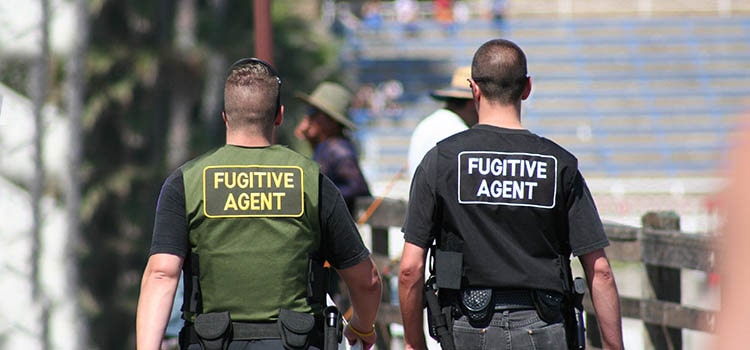
Bail enforcement agents, also known as bounty hunters, have a unique role in the criminal justice system. Their primary responsibility is to locate and apprehend individuals who have skipped bail. This part of the training is intense, focusing on investigative techniques, surveillance, and the safe apprehension of fugitives.
Bail enforcement agents often work in teams and use advanced technology, such as GPS tracking, to locate fugitives. They must also understand state-specific laws, as regulations vary widely across the country.
Afternoon Practical Exercises: Hands-On Experience
As the day progresses, trainees engage in practical exercises that mimic real-world scenarios. These drills are designed to test their knowledge, decision-making abilities, and physical skills under pressure.
Security Scenarios: From Routine to High-Risk
Security trainees might find themselves in simulated situations such as handling an unruly crowd at a concert or defusing a tense situation at a corporate office. These exercises help them practice their communication skills, learn how to de-escalate conflicts, and understand the protocols for calling in law enforcement when necessary.
Bail Enforcement Challenges: Apprehending the Unpredictable
Bail enforcement training scenarios can be particularly challenging. Trainees may need to track a fugitive, plan an arrest, and execute it without causing harm to themselves or others. These exercises are critical for building the confidence and competence needed to perform their duties in the field.
Bail enforcement agents must often work unconventional hours, as fugitives are unpredictable. This means they must be ready to act at a moment’s notice, day or night.
Evening Review: Reflecting on the Day’s Lessons
The day concludes with a review session, where trainees gather to discuss their experiences, share insights, and receive feedback from their instructors. This reflection time is crucial for reinforcing what they’ve learned and identifying areas for improvement.
Continuous Learning: Staying Ahead of the Curve
The world of security and bail enforcement is ever-evolving. New technologies, legal updates, and emerging threats mean that training doesn’t stop after certification. Professionals in this field must commit to ongoing education and staying current with industry trends.
Many security guards and bail enforcement agents attend annual refresher courses and seminars to hone their skills and stay informed about the latest developments in their field.
Understanding Bail Bond Services: A Critical Component
While training for bail enforcement, it’s essential to understand the role of bail bond services in the justice system. Bail bond agents at http://bailcobailbonds.com/, provide financial guarantees to the court, ensuring that defendants appear for their scheduled court dates. If a defendant fails to show up, the bail enforcement agent steps in to locate and return them to custody. This partnership between bail bond agents and enforcement professionals is crucial for maintaining the integrity of the bail system and ensuring that justice is served.
The Importance of a Cohesive Training Program
Training to become a security guard or bail enforcement agent is a rigorous process that requires dedication, discipline, and a strong moral compass. The blend of physical training, legal education, and hands-on experience ensures that these professionals are well-prepared to handle the challenges of their careers. Whether protecting a corporate office or tracking down a fugitive, they play a vital role in keeping our communities safe.
The life of a security guard or bail enforcement agent begins with comprehensive training that equips them with the skills needed to face a wide range of situations. Their work is both demanding and rewarding, requiring a balance of physical prowess, legal knowledge, and practical experience. Through their dedication, they help uphold the law and contribute to the safety and security of society.
