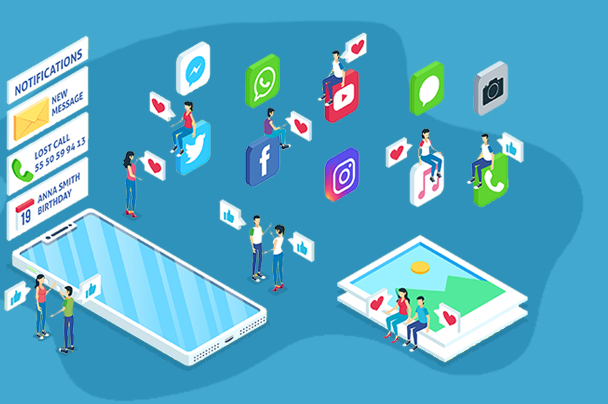
In today’s digital marketplace, simply Pengeluaran HK attracting followers on social media or gaining subscribers on your website is not enough. The real challenge lies in converting those followers into loyal customers. Audience engagement is the key to achieving this goal. It encompasses the strategies and interactions that facilitate a meaningful connection with your audience, encouraging them to take the next step and make a purchase. This article explores effective tactics for enhancing audience engagement and turning your followers into customers.
Why Audience Engagement Matters
Audience engagement is more than just likes, shares, or comments; it reflects the level of connection and interaction between your brand and your audience. Higher engagement leads to:
- Increased Brand Loyalty: Engaged customers are more likely to become repeat buyers and advocates for your brand.
- Higher Conversion Rates: Meaningful interactions increase the likelihood of followers taking action, whether that’s signing up for a newsletter, requesting more information, or making a purchase.
- Enhanced Customer Insights: Engaged audiences provide valuable feedback and insights that can inform your marketing strategies and product development.
1. Know Your Audience
Understanding your audience is the first step in crafting effective engagement strategies. Conducting audience research will help you identify their preferences, needs, and behaviors.
How to Understand Your Audience:
- Analyze Demographics: Use tools like Google Analytics and social media insights to gather information about your audience’s age, gender, location, and interests.
- Conduct Surveys: Regularly ask your audience for feedback on their preferences and pain points through surveys or polls.
- Monitor Engagement Metrics: Pay attention to which types of content receive the most interaction. This can help you tailor your future content to what resonates with your audience.
Example: A fashion brand might find that their younger audience prefers sustainable materials, prompting them to create a marketing campaign highlighting eco-friendly products.
2. Create Valuable Content
Creating high-quality, valuable content is crucial for engaging your audience. Your content should address their interests, solve their problems, or provide entertainment.
Content Ideas:
- Educational Blog Posts: Share informative articles that offer tips, tutorials, or industry insights related to your products or services.
- Engaging Videos: Use video content to demonstrate products, share testimonials, or tell your brand story. Video content is highly engaging and shareable.
- Interactive Content: Quizzes, polls, and infographics can make your content more engaging and encourage audience participation.
Example: A skincare brand could create a series of video tutorials on how to use their products effectively, encouraging followers to engage and learn more about the brand.
3. Leverage Social Media
Social media platforms are powerful tools for audience engagement. They provide opportunities to interact with your audience in real-time and foster a sense of community.
Social Media Engagement Strategies:
- Respond Promptly: Engage with comments and messages in a timely manner. This shows your audience that you value their input and are available to assist them.
- Host Live Sessions: Utilize live videos to answer questions, showcase new products, or host Q&A sessions. This creates a direct line of communication with your audience.
- Encourage User-Generated Content: Motivate your followers to share their experiences with your products by creating a branded hashtag or running contests.
Example: A fitness brand might host live workout sessions on Instagram, allowing followers to participate and ask questions in real time, enhancing engagement and community feel.
4. Personalize Your Communication
Personalization is key to making your audience feel valued and understood. Tailoring your communication can significantly increase engagement and conversion rates.
Ways to Personalize:
- Segment Your Audience: Divide your audience into segments based on their behaviors, preferences, or demographics. This allows you to tailor your messages effectively.
- Use Personalized Email Marketing: Send personalized emails with content and offers that resonate with specific segments of your audience.
- Utilize Data: Analyze customer behavior data to create targeted offers or recommendations based on past purchases.
Example: An online bookstore could send personalized recommendations based on a customer’s previous purchases, enticing them to explore new titles.
5. Build a Community
Creating a sense of community around your brand can significantly enhance audience engagement. When followers feel they are part of a community, they are more likely to become loyal customers.
Community-Building Strategies:
- Create Exclusive Groups: Establish private groups on platforms like Facebook or Discord where followers can discuss topics related to your brand and connect with each other.
- Host Events: Organize online or offline events, such as webinars, workshops, or meetups, to foster connections among your audience.
- Encourage Conversations: Prompt discussions by asking open-ended questions or starting conversations around relevant topics.
Example: A health and wellness brand could create a Facebook group for followers to share their wellness journeys and support each other, enhancing community engagement.
6. Utilize Call-to-Actions (CTAs)
Effective calls-to-action are essential for guiding your audience towards the next step in the customer journey. CTAs should be clear, compelling, and strategically placed throughout your content.
CTA Best Practices:
- Be Clear and Direct: Use concise language that clearly outlines what action you want your audience to take (e.g., “Shop Now,” “Sign Up Today,” “Join Our Webinar”).
- Create Urgency: Encourage immediate action by incorporating time-sensitive language, such as “Limited Time Offer” or “Register Now Before Spots Fill Up.”
- Test Different CTAs: Experiment with different wording, placements, and designs to determine what resonates best with your audience.
Example: An online retailer might use a prominent “Shop the Sale” button on their homepage, encouraging visitors to browse discounted items.
7. Measure and Analyze Engagement
Finally, regularly measuring and analyzing your engagement efforts is crucial for understanding what works and what needs improvement. Use analytics tools to track engagement metrics and refine your strategies accordingly.
Key Metrics to Monitor:
- Engagement Rate: Track likes, shares, comments, and overall interactions with your content.
- Conversion Rate: Measure the percentage of engaged followers who take desired actions, such as making a purchase or signing up for a newsletter.
- Customer Feedback: Continuously gather feedback through surveys or reviews to understand your audience’s perceptions of your brand.
Example: A tech company could analyze their engagement metrics to identify which types of content lead to the highest conversion rates, allowing them to focus their efforts on successful strategies.
Conclusion
Turning followers into customers requires a strategic approach to audience engagement. By understanding your audience, creating valuable content, leveraging social media, personalizing communication, building a community, using effective CTAs, and measuring your efforts, you can foster a deeper connection with your audience.
Engaged customers are more likely to become loyal brand advocates, leading to increased sales and long-term success for your business. Invest in audience engagement today, and you’ll reap the rewards of a thriving customer base tomorrow. With the right strategies in place, your followers can evolve from passive observers to enthusiastic customers, driving growth and success for your online business.
