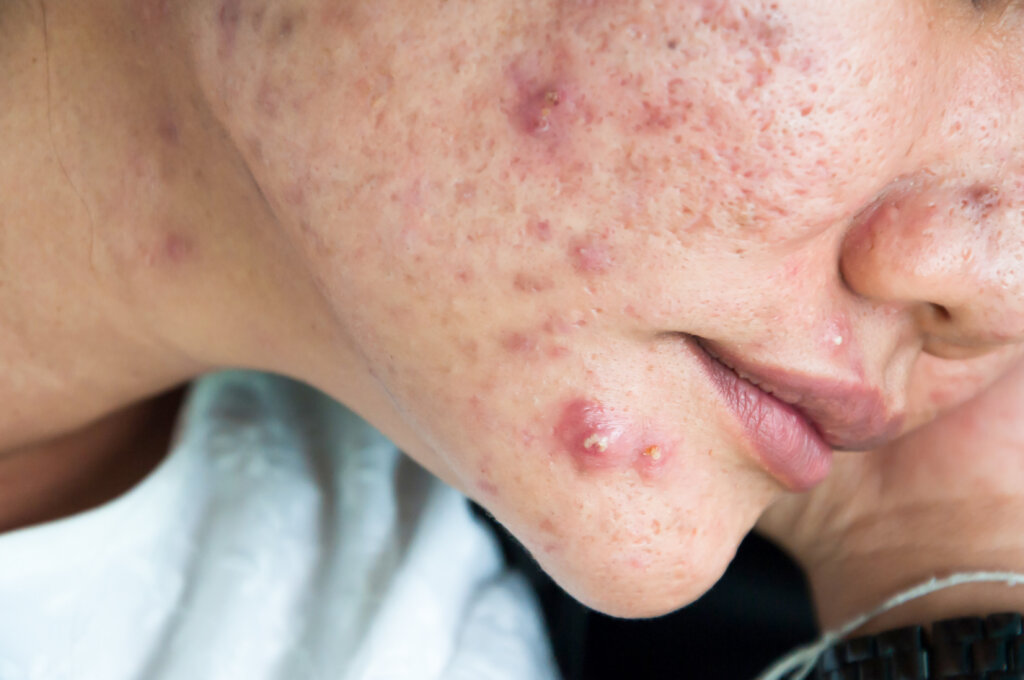
Dealing with cystic acne is often difficult because, unlike typical acne, cystic acne is a severe form that develops deep within the skin. Because of the way it develops, cystic acne does cause painful, inflamed bumps that are often difficult to treat.
But it is more than just a skin issue. Cystic acne can affect your self-esteem and overall quality of life. The good news is that there are effective treatments that can help you manage cystic acne effectively.
A good example is OZ Dewy. Read more: https://ozaesthetic.com/treatment/oz-dewy-tx/.
On this page, we’ll explain what cystic acne really is. We will also share the best treatments available, natural remedies you can try at home, lifestyle changes that help prevent recurrence, and when to seek professional help for cystic acne. Read on!
Cystic Acne what is it?
Being the most severe form of acne, cystic acne occurs when oil and dead skin cells build up deep within hair follicles. This process causes the development of large, red, and painful cysts.
These cysts can linger for weeks or even months and often leave behind significant scarring. Cystic acne causes include hormonal imbalances, genetics, and lifestyle factors.
- Hormonal Imbalances: One of the primary causes of cystic acne is hormonal fluctuations, particularly during puberty, menstruation, pregnancy, and menopause. Androgens, hormones that increase during these times, cause the skin’s oil glands to produce more sebum which leads to clogging of pores.
- Genetics: If your parents had cystic acne, you are more likely to develop it as well. Genetic factors can determine how your body responds to hormones and how much oil your skin produces.
- Lifestyle Factors and Triggers: Stress, diet, and environmental factors can also contribute to cystic acne. High stress levels increase the production of androgens which exacerbate acne. Diets high in sugar and dairy products may also trigger breakouts.
What Treatment is best for Cystic Acne?
While cystic acne can be managed, there isn’t a one-size-fits-all remedy as the treatment usually requires a comprehensive approach that combines topical and oral medications with in-office treatments. Here are notable options;
Topical Treatments
- Retinoids: Topical retinoids like tretinoin and adapalene help to unclog pores and prevent the formation of new acne lesions. They also promote cell turnover, which can reduce the appearance of acne scars over time.
- Benzoyl Peroxide: This is a powerful antibacterial agent that works by killing the bacteria that cause acne. It also helps to reduce inflammation and clear pores.
- Salicylic Acid: Salicylic acid exfoliates the skin and helps to clear out the pores. In the process, it also prevents new breakouts from forming.
Oral Medications
- Antibiotics: Oral antibiotics like doxycycline and minocycline can reduce inflammation and bacterial growth. However, they are usually recommended for short-term use to avoid antibiotic resistance.
- Hormonal Treatments: You may be recommended birth control pills and spironolactone to regulate hormonal imbalances that cause cystic acne. They work by reducing androgen levels which decreases oil production.
- Isotretinoin (Accutane): For severe cases, isotretinoin is often prescribed. This powerful medication reduces the size of oil glands and prevents them from becoming clogged. It is highly effective but has potential side effects and requires close monitoring by a dermatologist.
In-Office Treatments
- Cortisone Injections: These injections deliver a powerful anti-inflammatory steroid directly into the cyst to rapidly reduce inflammation and pain. Cortisone injections can shrink cystic acne within a few days. Cortisone injections may be recommended for you if you’re seeking cystic acne treatment for urgent situations like before a big event, where a quick fix is needed.
- Incision and Draining: This procedure involves a dermatologist making a small incision in the acne cyst to drain the pus. It provides immediate relief from pain and pressure, reduces inflammation, and helps prevent the cyst from rupturing internally, which can lead to further complications and scarring.
- Spironolactone: This medication reduces excess oil production by blocking androgens. It’s commonly prescribed for women with hormonal acne but isn’t typically recommended for men due to potential side effects like breast growth. Spironolactone helps manage cystic acne effectively, particularly in female patients.
How to Stop Cystic Acne from Forming?
Preventing cystic acne not only alleviates physical discomfort but also minimizes the risk of long-term skin damage and scarring. To stop cystic acne from forming, try these tips;
- Take Care of your Skin: Stick to a consistent skincare routine that includes cleansing, moisturizing, and treating with acne-specific products. Avoid over-washing, which can strip the skin of natural oils and lead to increased oil production. Importantly, use gentle, fragrance-free products and avoid harsh scrubbing or picking at your skin, which can worsen acne and lead to scarring.
- Manage your Stress Levels: Stress triggers the release of hormones that can exacerbate acne. Find ways to manage stress to maintain clear skin. Practice mindfulness, meditation, yoga, or other relaxation techniques to keep stress levels in check.
- Regularly Exercise: Exercise improves blood circulation and helps reduce stress, both of which are beneficial for skin health. Make sure to shower promptly after sweating to prevent clogged pores. Other than exercises, aim for 7-9 hours of quality sleep each night to help your skin regenerate and repair itself.
When should I see a Dermatologist for Cystic Acne?
Sometimes, professional help is necessary to manage cystic acne effectively. You should see a dermatologist for cystic acne treatment in Singapore if;
- You’re getting Persistent, Painful Acne: If your acne doesn’t respond to over-the-counter treatments and is causing significant pain or discomfort, it’s time to see a dermatologist.
- You Experience Scarring or Risk of Scarring: Severe cystic acne can lead to scarring if not treated properly. Early intervention by a dermatologist can help prevent permanent skin damage.
- You Experience Emotional Distress and Impact on Quality of Life: If cystic acne is affecting your mental health and quality of life, seek professional help for relief and to improve your overall well-being.
When seeing a dermatologist for cystic acne treatment in Singapore, they will examine your skin and may ask about your medical history, diet, and skincare routine to identify the cause of your acne. Based on your specific condition, the dermatologist will recommend a personalized treatment plan.
As already explained, this may include prescription medications, in-office treatments, and lifestyle changes. Maintain follow-up visits as recommended to monitor your progress and adjust treatments as needed.
Closing Thoughts
Managing cystic acne requires a comprehensive approach that includes a personalized treatment plan. If you’re struggling with persistent cystic acne, don’t hesitate to consult a dermatologist for personalized advice and treatment.
Are you ready to bid your stubborn cystic acne bye? Get in touch with our skilled skin doctor today to schedule an appointment. Details below;
OZ Aesthetic – Acne Scar Removal | Pigmentation Removal | Eyebag Removal Singapore
111 Somerset Rd, #04-11 TripleOne Somerset,
Singapore 238164
+65 6235 9388
