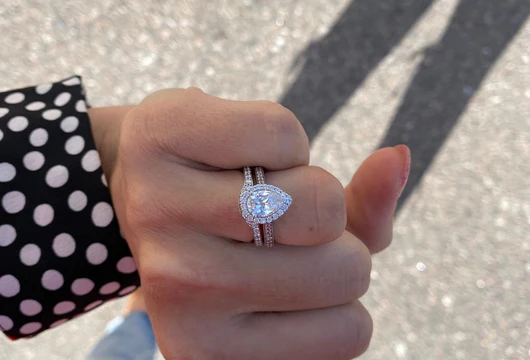
The development of synthetic diamonds has changed the diamond business, even though they have always been a symbol of luxury, romance and devotion. Companies such as Rare Carat sell lab-grown diamonds as a more ethical and economical option to real diamonds. Nonetheless, how do these artificially created diamonds compare with naturally occurring ones? This article will analyze the main differences and similarities between Rare Carat’s lab-grown diamond collection and natural diamonds, taking into account origin, cost, environmental impact, appearance as well as resale value.
Origin: The Science and Nature Behind Diamonds
Rare Carat produces lab-grown diamonds in an artificial environment. Carbon is subjected to extreme pressure and temperature through modern technology that mimics the natural formation process for diamonds.
Natural Diamonds:
Volcanic activity then ejects them on earth’s surface after their creation at great depths within its lithosphere under very high temperatures & pressures that last millions or even billions of years.
Each earth-formed diamond differs because of this planet’s forces upon it. It is their scarcity plus their natural creation process that makes them highly rated treasures.
Cost: Affordability vs Rarity
One major advantage associated with lab-created diamond jewelry is cost considerations. For example, most of Rare Carat’s lab-grown stones go for 30%-40% cheaper than similar size or quality real ones do. The price of these varies, 12 carat diamond ring price making them affordable for those who want diamonds to sparkle and give opulence to their hands despite being on a budget. For example, about $3,000 is the cost of one carat lab-grown diamond while the same natural diamond can fetch over $5,000.
Environmental and Ethical Considerations: Sustainable Choice
Ethics and ecological features are amongst the main selling points of Rare Carat’s lab-made diamonds. It should be noted that lab-created diamonds do not require a mining process; thus this type inflicts smaller harm on nature compared to naturally mined ones.
Moreover, lab grown diamonds are devoid of any ethical concerns associated with conflict stones. Blood or conflict stones originate from war zones where rebels sell them to finance insurgencies against governments in power. Lab-created diamonds are made under controlled conditions which guarantee freedom from these moral issues.
Appearance and Quality: The Look of Luxury
Lab-Grown Diamonds:
In terms of appearance, lab-grown diamonds are practically unidentifiable from natural ones. They have a similar brilliance or fire as well as sparkle which makes diamond so desirable. Lab-grown diamonds are usually produced within controlled environments, rendering them less likely to contain any inclusions and with more consistent color quality thus leading to high-quality stones.
Natural Diamonds:
Every single natural diamond is unique because it has different types of impurities like internal flaws, colour differences and also clarity variations. Natural imperfections found in some diamonds add value to the gem for certain buyers. This scarcity relating to these stones being natural creates their worthiness.
However, it is important to note that the differences between lab-created and real diamonds cannot be seen by naked eyes alone. These two require specialised equipment for their differentiation giving both lab made diamonds as well as mined gemstones an equivalent brilliant look.
Resale Value: Investment Considerations
Usually when they are resold lab grown diamonds do not keep their values as well as natural ones did. This perception comes from the fact that there are more fake than real gems on sale today making synthetics seem less valuable over time despite being quite affordable options.However after reselling them consumers should realize that they may hardly earn anything from selling synthetic jewels.
Availability: The Freedom of Choice
The availability factor is a key advantage associated with lab-grown diamonds because they can be made in different sizes and shapes. It also implies that buyers have a wider choice range while searching for a diamond that best suits their specific desires and budgetary needs. At Rare Carat, there is quite a wide selection of lab-grown diamonds enabling all people to find something for themselves at any occasion.
Conclusion
In conclusion, Rare Carat’s lab-grown diamond collection represents an attractive alternative to naturally occurring gemstones which offer all the beauty and sparkle at much cheaper costs while having lesser ethical dilemmas regarding them being mined from earth or formed through sophisticated technologies than their real counterparts do.
