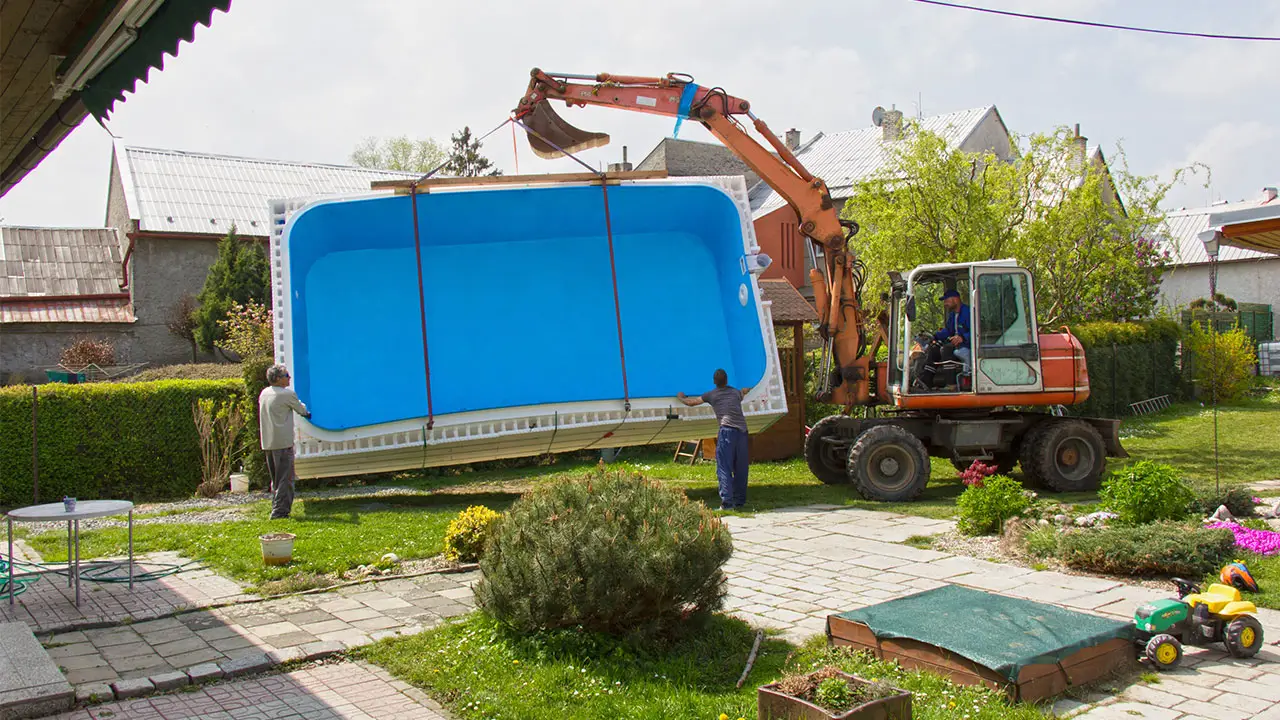
Installing a swimming pool is a dream for many homeowners, but the financial aspect can be daunting. Whether you’re considering an above-ground or in-ground pool, understanding how swimming pool loans work is essential to make an informed decision. Each type of pool comes with different costs, financing options, and considerations. This guide will walk you through the key differences and help you determine which option aligns best with your budget and long-term goals.
The Basics of Swimming Pool Loans
Swimming pool loans are a type of personal loan or home improvement loan specifically used to finance the installation of a pool. These loans often come with flexible repayment terms, allowing homeowners to spread the cost over several years. The interest rates can vary depending on your credit score, loan amount, and lender policies. Some loans are unsecured, meaning they don’t require collateral, while others may use your home as security to offer lower interest rates.
It’s important to shop around for a loan with competitive terms. Researching multiple lenders ensures you’ll find an option that fits your financial situation. Additionally, understanding the cost differences between above-ground and in-ground pools will help you determine how much financing you actually need.
Cost Comparison: Above-Ground vs. In-Ground Pools
Above-ground pools are generally more affordable than in-ground options, making them a popular choice for budget-conscious homeowners. The total cost of an above-ground pool, including installation and accessories, typically ranges between $3,000 and $10,000. Financing this type of pool often requires a smaller loan, and many homeowners can repay it quickly.
In contrast, in-ground pools are a significant investment, with costs ranging from $35,000 to over $100,000 depending on materials, size, and features. Due to their higher price tag, in-ground pools usually require larger loans with longer repayment terms. However, in-ground pools can increase property value, making them a worthwhile investment for some homeowners.
Loan Options for Above-Ground Pools
For above-ground pools, personal loans are a common financing option. These loans are unsecured, meaning you don’t have to put up collateral. Since above-ground pools have lower upfront costs, you might qualify for a smaller loan with a shorter repayment term, resulting in less interest paid over time.
Credit cards can also be an option if the total cost is within your credit limit. However, keep in mind that credit cards often have higher interest rates than personal loans, so this option is best suited for homeowners who can pay off the balance quickly.
Financing In-Ground Pools: Larger Loans, Bigger Commitments
In-ground pool financing often involves larger loan amounts and more complex arrangements. Home equity loans or home equity lines of credit (HELOCs) are popular choices, as they leverage your home’s value to secure the loan. These options usually offer lower interest rates but require you to use your home as collateral, which comes with risks.
Another option is a specialized pool loan from a lender that focuses on swimming pool installations. These loans are tailored to the needs of pool buyers and may come with flexible terms or promotional rates. However, they may require a higher credit score or a larger down payment to qualify.
Factors to Consider Before Applying
Before committing to a swimming pool loan, assess your financial situation and long-term goals. Calculate the total cost of the pool, including maintenance, repairs, and additional features like fencing or decking. Ensure you can comfortably afford the monthly payments without straining your budget. Also, consider the return on investment. While in-ground pools can boost home value, the added maintenance and insurance costs should be factored into your decision. Above-ground pools are less expensive upfront but may not have the same resale value impact.
Tips for Choosing the Right Loan
When comparing loan options, pay attention to interest rates, fees, and repayment terms. A loan with a lower interest rate might save you thousands over the life of the loan. Additionally, check if the lender allows early repayment without penalties, as this can help you save on interest. If your credit score isn’t perfect, consider improving it before applying for a loan. A higher credit score can open the door to better rates and terms, reducing the overall cost of financing your pool.
Dive In with Confidence
Swimming pool loans can make your dream of owning a pool a reality, whether you’re eyeing an above-ground or in-ground option. Understanding the differences in cost and financing options is crucial for making a smart financial decision. Take time to evaluate your budget, compare loan terms, and consider the long-term benefits and responsibilities of pool ownership. By doing your homework and selecting the right financing option, you’ll be well on your way to enjoying the refreshing perks of a new pool—without drowning in debt.
