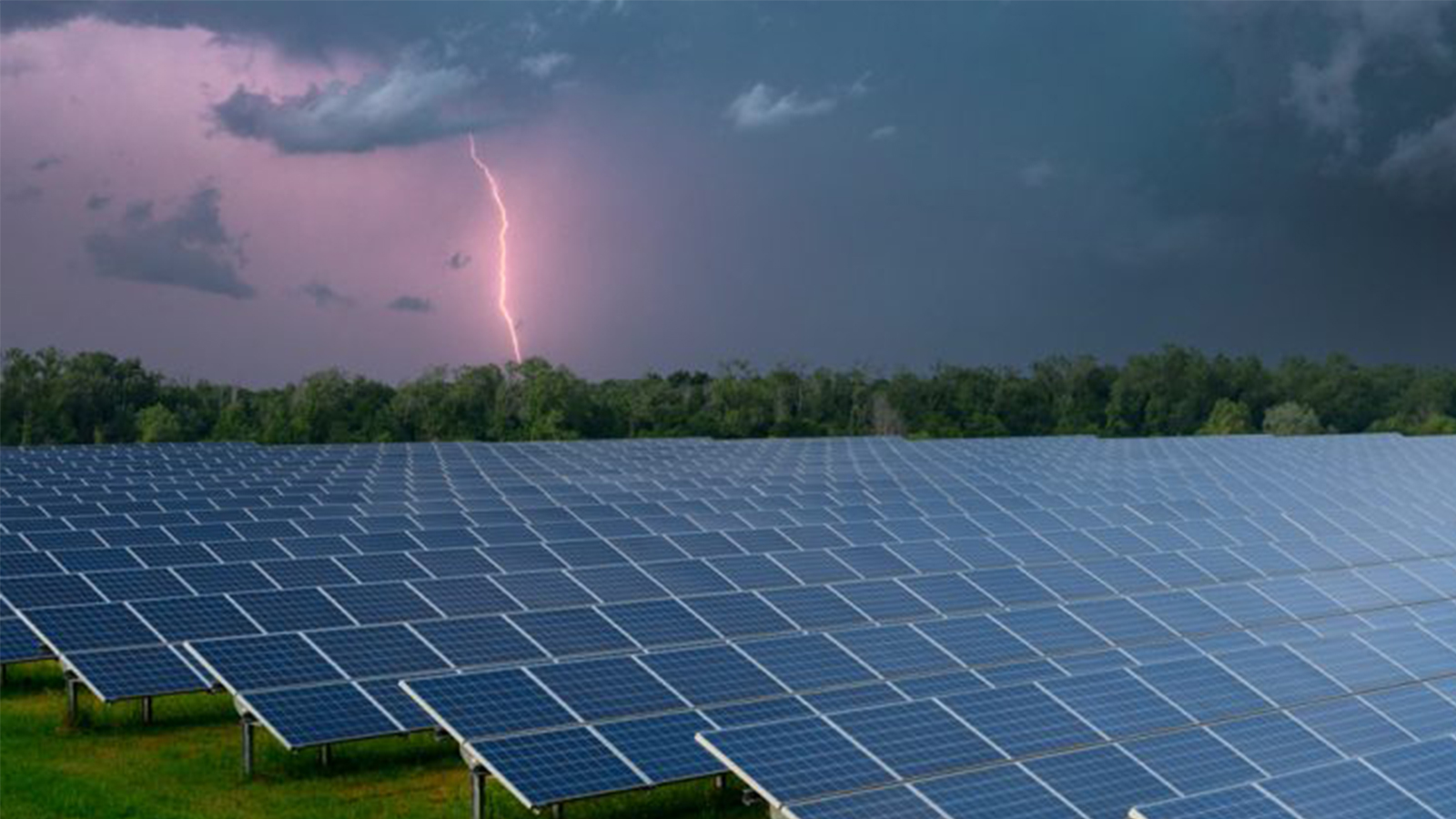
Solar panels use sunlight to produce electricity, so it’s natural for most people to realize that sunny weather is ideal for maximum energy production. But how do changes in those conditions impact productivity? How much of a drop will you see when it’s cloudy? And what about changes in temperature? Different types of weather have different impacts on solar panel productivity.
Sunny Weather
As stated above, sunny conditions are the most productive environment for solar panels. Your panels use photovoltaic cells to convert sunlight into energy, so when the sun is shining directly on them with minimal obstruction, the system can produce power as close to its maximum capacity as possible. Clear skies allow for the maximum amount of solar radiation, which is why your panels are installed with positioning and tilt angles in mind. This installation maximizes their exposure to the sun throughout the day.
Cloudy and Overcast
When clouds roll in and obstruct the sun, a lot less sunlight reaches your solar panels than on a clear day. However, even on very cloudy days, the overcast weather generally won’t stop your panels from producing electricity. Your panels can actually still generate power using diffused sunlight that passes through the clouds.
Typically, solar panel production drops by 10% to 25% during overcast conditions, which is far less than most people think. While this reduction is still far from negligible, it means your solar power system can continue to provide some power to your home in cloudy weather. It’s also worth noting that certain types of panels perform better than others in low-light conditions, so keep this in mind if you live in an area that’s prone to frequent cloud cover.
Rainy Weather
While rain does reduce solar production due to cloud cover, it comes with a benefit that most people don’t think about: The rainfall can actually clean your panels. Dust, pollen, leaves, and debris can accumulate on panels over time, slightly blocking sunlight and reducing efficiency. Rain naturally washes these away, helping restore better performance when the sun comes out again.
Snow and Winter Conditions
Snow can affect solar panels in several ways. If snow fully covers your panels, it can temporarily block sunlight and halt your energy production. However, as long as your panels are installed at the right angle, snow tends to melt from the panels’ heat and slide off relatively quickly.
It’s also important to note that cold weather does not stop your panels from producing power. In fact, it can make your panels more efficient. High temperatures are a drain on productivity, so the lower winter temps can actually benefit your production, as long as you don’t have snow piling up on your panels.
If you have further questions about how the weather impacts solar panels, look for solar panel distributors in your area.
