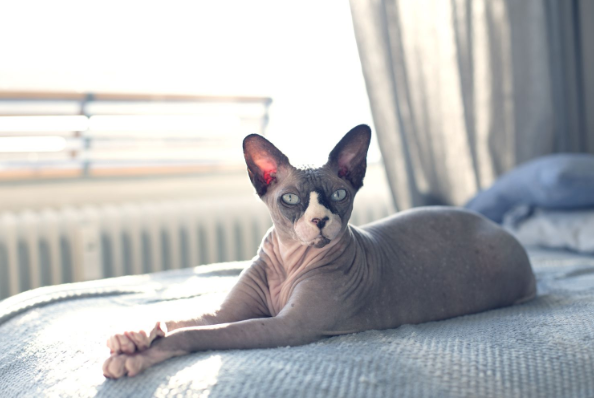
Sphynx cats, known for their unique appearance and hairless bodies, are a breed that requires special care and attention. Despite their lack of fur, these cats are warm, affectionate, and incredibly social. Sphynx kittens https://www.kittensup4sale.com/sphinx-1 and cats are beloved for their playful personalities and devotion to their owners, but they also come with specific care needs. This guide will help you understand how to properly care for a Sphynx cat, ensuring they remain healthy, happy, and comfortable in your home.
Understanding the sphynx breed
- Physical characteristics. The sphynx cat is most famous for its lack of fur, but this breed is far more than just hairless. Sphynx cats have a muscular, medium-sized body, with a wrinkled skin that is soft to the touch. They often have large ears, prominent cheekbones, and a strong jawline, giving them an exotic and striking appearance. Despite being hairless, their skin can come in a variety of colors and patterns, much like furred cats.
- Temperament and personality. Sphynx cats are known for their outgoing, curious, and playful nature. They are highly social animals that thrive on interaction with their human companions and other pets. These cats are affectionate and love to be the center of attention, often following their owners around the house and seeking out warm places to snuggle. Sphynx cats are also known for their intelligence and can be easily trained to perform tricks or use a scratching post.
Skin care
- Bathing. One of the most significant aspects of caring for a sphynx cat is maintaining their skin health. Without fur to absorb natural oils, sphynx cats can develop oily skin, leading to dirt buildup and potential skin issues. To keep their skin clean, it’s essential to bathe your sphynx regularly—typically once a week.
- Use a gentle, hypoallergenic cat shampoo to cleanse their skin. Be sure to rinse thoroughly to remove all traces of shampoo, as any residue can cause irritation. After bathing, gently dry your cat with a soft towel, paying close attention to the folds and wrinkles where moisture can accumulate and lead to infections.
- Moisturizing. After a bath, it’s important to keep your sphynx cat’s skin hydrated. Although many sphynx cats do not require moisturizing, some may benefit from a light, fragrance-free moisturizer recommended by your veterinarian. Applying it sparingly to dry areas can help maintain the skin’s elasticity and prevent cracking.
- Sun protection. Sphynx cats are particularly sensitive to sunlight due to their lack of fur. If your cat spends time in direct sunlight, it’s crucial to protect their skin from sunburn. Consider applying a cat-safe sunscreen or limiting their sun exposure, especially during peak sunlight hours. Alternatively, you can provide shaded areas or UV-protective clothing if your cat enjoys sunbathing.
Grooming needs
Ear cleaning. Sphynx cats tend to produce more ear wax than other breeds, which can accumulate and lead to infections if not cleaned regularly. Inspect your cat’s ears once a week and clean them with a vet-recommended ear cleaner and cotton balls or pads. Be gentle and avoid inserting anything deep into the ear canal.
Nail trimming. Regular nail trimming is essential for sphynx cats, as they can develop sharp claws that may cause injury to themselves or damage to furniture. Trim your cat’s nails every one to two weeks using a cat-specific nail clipper. If you’re unsure how to trim nails properly, ask your veterinarian for guidance.
Dental care. Dental hygiene is crucial for maintaining your sphynx cat’s overall health. Brush your cat’s teeth regularly using a cat-specific toothbrush and toothpaste to prevent plaque buildup, gum disease, and tooth decay. Regular dental check-ups with your vet are also recommended to catch any issues early.
Nutrition and feeding
Choosing the right food
Sphynx cats have a high metabolism, which means they require a diet that is rich in protein and nutrients to maintain their energy levels and body condition. High-quality cat food that is specifically formulated for active or hairless breeds is recommended. Whether you choose dry kibble, wet food, or a combination of both, ensure it provides balanced nutrition.
Some sphynx cats may have sensitive stomachs or specific dietary needs, so it’s important to monitor how they respond to their diet and make adjustments if necessary. Always consult your veterinarian if you’re unsure about the best food for your cat.
Feeding schedule
Establishing a consistent feeding schedule is important for maintaining your sphynx cat’s health. Most adult sphynx cats do well with two meals a day, while kittens may require more frequent feeding to support their growth. Be mindful of portion sizes to prevent overeating and obesity, as Sphynx cats can gain weight easily.
Hydration
Ensure your sphynx cat has access to fresh water at all times. Dehydration can be a concern, especially given their active nature and the need to maintain healthy skin. Consider using a water fountain to encourage drinking, as many cats prefer running water.
Health and veterinary care
Regular vet visits. Routine veterinary care is essential for keeping your sphynx cat healthy. Schedule regular check-ups to monitor your cat’s overall health, keep vaccinations up to date, and address any potential health issues early. Sphynx cats can be prone to certain health conditions, such as heart disease (hypertrophic cardiomyopathy) and skin infections, so regular vet visits are crucial for early detection and treatment.
Vaccinations and Preventative Care. Ensure your Sphynx cat is up-to-date on all necessary vaccinations to protect them from common feline diseases. Preventative care, including flea, tick, and worm treatments, is also important, even if your cat lives indoors. Regular deworming is especially important for kittens.
Exercise and mental stimulation
- Playtime and toys. Sphynx cats are highly energetic and require regular exercise and mental stimulation to stay healthy and happy. Provide a variety of toys, such as interactive wands, balls, and puzzle feeders, to keep them engaged. Daily play sessions help burn off excess energy, prevent boredom, and strengthen your bond with your cat.
- Environmental enrichment. Create a stimulating environment for your sphynx cat with climbing trees, scratching posts, and cozy hiding spots. These cats enjoy high perches where they can observe their surroundings and feel safe. Providing a warm blanket or heated bed is also important, as Sphynx cats tend to seek out warmth due to their lack of fur.
- Social Interaction. Sphynx cats are social creatures that thrive on human interaction. Spend quality time with your cat each day, whether through play, cuddling, or simply being present. Sphynx cats often enjoy snuggling under blankets with their owners, so be prepared for a cat that loves to be close.
Conclusion
Caring for sphynx kittens and cats requires a bit more attention than some other breeds, particularly when it comes to skin care and temperature regulation. However, the effort is well worth it, as Sphynx cats are affectionate, playful, and incredibly loyal companions. By providing regular grooming, a balanced diet, and plenty of love and attention, you can ensure your Sphynx cat remains healthy, happy, and comfortable in their unique skin.
