
Effective database monitoring is vital for maintaining a secure, compliant, and efficient database system. When carried out correctly, it provides an extensive overview of all activities taking place within the database. This not only ensures security and compliance but also helps in maintaining data integrity. This blog will dive into why database monitoring is crucial, outline the main elements of a successful monitoring strategy, and provide tips on how to optimize and implement monitoring tools effectively.
Why Is Database Monitoring Important for Security and Integrity?
Understanding the Role of Monitoring in Data Protection
Database monitoring is essential for data protection. It continuously scans for suspicious activities and system vulnerabilities, providing real-time alerts for immediate attention. By detecting potentially harmful actions, such as unauthorized access or unusual data queries, monitoring can prevent security incidents before they escalate. It’s a proactive measure that reduces risk and ensures the ongoing protection of your database systems.
Key Security and Compliance Benefits
Security and compliance are significant advantages of robust database monitoring. Many industries are subject to strict regulations requiring regular audits and stringent data protection measures. Monitoring helps comply with these regulations by ensuring that all activities are tracked and recorded. This continuous surveillance also assists in maintaining data privacy standards and protecting sensitive information, thus avoiding legal penalties and fostering trust with stakeholders.
Enhancing Data Integrity Through Monitoring
Maintaining data integrity is another crucial aspect of effective database monitoring. By tracking all modifications and providing audit trails, monitoring ensures that all changes are legitimate and authorized. It helps verify that data remains accurate, consistent, and reliable over time. Continuous monitoring allows administrators to quickly identify and rectify discrepancies, ensuring that the data’s reliability remains uncompromised.
What Are the Key Elements of a Successful Database Monitoring Strategy?
Setting Up Real-Time Alerts for Immediate Action
Real-time alerts are a fundamental component of an effective database monitoring strategy. These alerts notify administrators of any suspicious activities or system irregularities as they happen. By promptly responding to these alerts, organizations can prevent data breaches, unauthorized access, and other security threats. Alerts can be customized based on specific criteria, ensuring that any significant deviations from normal operations are immediately flagged.
Establishing Audit Trails and Log Management
Audit trails and log management are critical elements of database monitoring. Audit trails provide a chronological record of all database interactions, such as logins, queries, and modifications. These logs are invaluable for investigating issues, ensuring accountability, and demonstrating compliance. Proper log management involves the regular review and analysis of these logs to identify patterns, detect anomalies, and take corrective actions when necessary.
Monitoring User Activity and Access Control
Monitoring user activity and access control is crucial for protecting sensitive information within a database. By tracking who accesses the database and what actions they perform, organizations can ensure that users only have access to necessary data. Any attempts to exceed access permissions are flagged for review. This control mechanism helps maintain data confidentiality and prevents unauthorized data manipulation.
How Can You Optimize Database Monitoring for Performance?
Leveraging Automation for Efficient Monitoring
Automation is a powerful tool for optimizing database monitoring. Automated monitoring systems can continuously oversee database activities without the need for constant human intervention. This allows for 24/7 surveillance and quicker detection of potential issues. Automating routine tasks, such as trigger alerts, log management, and performance assessments, ensures a more efficient and reliable monitoring process.
Using Performance Metrics to Identify Bottlenecks
Identifying performance bottlenecks is essential for database optimization. By monitoring key performance metrics like query response times, CPU usage, and memory consumption, administrators can pinpoint areas that require improvement. This proactive approach helps maintain optimal database performance and prevents slowdowns that could affect user experience. Regular analysis of these metrics enables timely adjustments and enhancements.
Regular Database Health Checks and Maintenance
Regular health checks and maintenance are vital for keeping the database system running smoothly. These checks involve verifying data integrity, assessing performance, and ensuring that all components are functioning correctly. Routine maintenance activities, such as indexing, defragmenting, and updating software, help prevent issues and improve system reliability. Regular health checks ensure that the database remains in optimal condition and performs efficiently.
Best Practices for Implementing Database Monitoring Tools
Choosing the Right Monitoring Tools for Your Needs
Selecting the appropriate monitoring tools is essential for successful database monitoring. Consider the specific needs and requirements of your organization when choosing a tool. Look for features such as real-time alerts, comprehensive logging, user activity monitoring, and performance metrics. It is crucial that the chosen tools integrate seamlessly with existing systems and provide a user-friendly interface for easy management and analysis.
Customizing Alerts and Dashboards for Better Insights
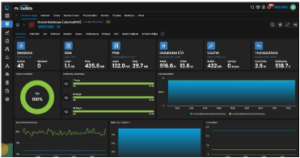
Customization of alerts and dashboards provides better insights into database activities. Tailoring alerts ensures that administrators are notified of the most critical events, reducing alert fatigue. Customizable dashboards allow for a focused view of the key metrics and activities that matter most to your organization. By adjusting these features, teams can quickly identify and respond to significant events and trends.
Regularly Reviewing and Updating Monitoring Settings
To ensure ongoing effectiveness, regularly review and update monitoring settings. This includes adjusting alert thresholds, updating security policies, and revising audit trails based on emerging threats and organizational changes. Regular reviews help in adapting to new challenges and maintaining robust database security. Staying informed about the latest trends and threats ensures that your monitoring strategy remains effective and up-to-date.
Conclusion
Implementing effective database monitoring strategies is essential for protecting data, ensuring compliance, and maintaining database integrity. By setting up real-time alerts, managing audit trails, and monitoring user activity, databases in general practices perfect for auditying allow organizations to proactively safeguard their data. Optimizing performance through automation, performance metrics, and regular health checks further enhances the effectiveness of monitoring. Choosing the right tools, customizing alerts, and regularly updating settings ensure that the monitoring strategy remains robust and relevant. Prioritizing these strategies will help maintain the security, compliance, and integrity of your database systems.
