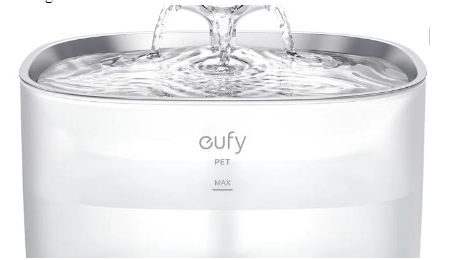
Keeping your pet’s water drinking fountain clean and well-maintained is crucial not only for ensuring your pet has access to clean and safe drinking water but also for extending the life of the fountain itself. Pet drinking fountains can harbor bacteria, mold, and other contaminants if not cleaned regularly and properly maintained. Here is a comprehensive guide on how to keep your pet water fountains in optimal condition.
Ways to Properly Clean and Maintain Your Pet Water Drinking Fountain
Regular Cleaning Routine
The foundation of maintaining a pet water drinking fountain is a consistent cleaning routine. It is recommended to clean the fountain at least once a week to prevent the build-up of bacteria and algae. Start by unplugging the fountain and disassembling it completely. Most fountains are designed to be taken apart easily for cleaning purposes. Take out the pump, filter, and other detachable components. Depending on the material of the fountain, you might need to use specific cleaning solutions. Generally, warm water and mild dish soap are adequate for most parts. Use a sponge or a soft brush to scrub all surfaces, paying special attention to nooks and crannies where grime tends to accumulate.
Deep Cleaning the Pump
The pump is the heart of your pet’s water fountain and requires particular attention during cleaning. Over time, the pump can become clogged with hair, debris, and slime. To clean the pump, start by removing it from the fountain. Open the pump housing and take out the impeller, which is usually magnetized and easily removable. Rinse the impeller and the interior of the pump thoroughly under warm running water. Use a small brush or a cotton swab to clean the crevices inside the pump. Ensure there is no debris left inside, as this can affect the pump’s performance. Once cleaned, reassemble the pump and place it back in the fountain.
Sanitizing the Fountain
In addition to regular cleaning, sanitizing is essential to ensure that all harmful bacteria and pathogens are eliminated. After scrubbing all components with soap and water, you can sanitize the fountain by soaking the parts in a solution of one part white vinegar to one part water for about 30 minutes. Vinegar is a natural disinfectant and can effectively kill most bacteria. Rinse all parts thoroughly with clean water after soaking to remove any vinegar residue. Alternatively, you can use a pet-safe disinfectant recommended by the manufacturer.
Filter Maintenance and Replacement
Filters play a critical role in keeping the water in the fountain clean and free from contaminants. Different fountains use different types of filters, such as activated carbon filters, foam filters, or mechanical filters. It is crucial to follow the manufacturer’s recommendations for filter replacement. Generally, filters should be replaced every two to four weeks, depending on the frequency of use and the number of pets using the fountain. To maintain the filter between replacements, rinse it under cold water every few days to remove trapped debris and impurities. Never use soap or detergents on the filter, as this can leave harmful residues.
Monitoring Water Levels
Ensuring that the water level in the fountain is adequate is another key aspect of maintenance. Most pet water fountains are designed to operate with a specific water level, and running the fountain dry can damage the pump. Check the water level daily and refill it as necessary to ensure that your pet has a constant supply of fresh water. Use filtered or distilled water if possible to minimize mineral deposits and scale build-up, which can impair the fountain’s functionality and require more frequent cleaning.
Conclusion
Proper cleaning and maintenance of your pet’s water drinking fountain are essential in ensuring your pet’s health and hydration. A clean fountain encourages pets to drink more water, which is vital for their overall well-being. By following a regular cleaning routine, deep cleaning the pump, sanitizing all components, maintaining and replacing filters, monitoring water levels, addressing mineral deposits, and considering environmental factors, you can keep your pet’s fountain in optimal condition. Remember, a well-maintained pet water fountain is an investment in your pet’s health and happiness.
