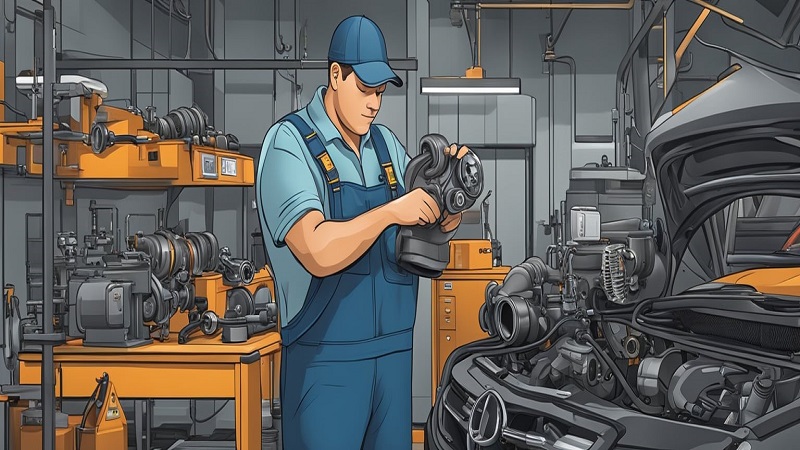
Tuning a turbo diesel engine in Warana can significantly enhance its performance and efficiency. This process involves optimizing various components to achieve the desired balance between power output and fuel economy.
Proper tuning can increase horsepower, improve torque, and reduce fuel consumption in turbo diesel engines. The procedure typically includes adjusting fuel injection timing, optimizing boost pressure, and modifying the engine control unit (ECU) parameters.
Warana’s unique climate and driving conditions may require specific tuning considerations. Local mechanics and performance shops often have expertise in tailoring turbo diesel engines to suit the area’s requirements, ensuring optimal results for both daily driving and performance applications.
Understanding Diesel Engine Tuning
Diesel engine tuning involves optimizing various components to enhance performance, efficiency, and power output. This process requires careful consideration of emissions regulations, turbocharger dynamics, and electronic control unit (ECU) programming.
Basics of Diesel Tuning
Diesel tuning aims to increase power and torque while maintaining engine reliability. The process focuses on adjusting fuel delivery, air intake, and exhaust systems. Tuners modify parameters such as injection timing, fuel pressure, and boost pressure.
ECU remapping is a common tuning method. It alters the engine’s electronic instructions to optimize performance. Tuners must balance power gains with emissions compliance and fuel efficiency.
Components Involved
Key components in diesel tuning include the turbocharger, ECU, fuel injectors, and exhaust system. The turbocharger’s compressor wheel and turbine play crucial roles in boost pressure management.
Tuners often upgrade the exhaust gas recirculation (EGR) system and diesel particulate filter (DPF) to handle increased exhaust flow. Fuel injectors may be replaced to deliver more precise amounts of diesel.
High-performance intercoolers can be installed to lower intake air temperatures, increasing thermal efficiency.
Effects on Engine Performance
Successful tuning can significantly increase horsepower and torque. A well-tuned diesel engine may see power output improvements of 20-30%. Enhanced boost pressure from upgraded turbochargers contributes to these gains.
Tuning can also improve throttle response and reduce turbo lag. However, increased power output may affect fuel economy and emissions. Tuners must carefully balance performance gains with legal requirements.
Engine longevity can be impacted by aggressive tuning. Proper tuning strategies consider thermal loads and stress on engine components to maintain reliability.
Advanced Tuning Techniques and Considerations
Mastering advanced tuning techniques for turbo diesel engines in Warana requires precision, expertise, and attention to regulatory compliance. These methods can significantly enhance performance and efficiency when implemented correctly.
Adjusting the ECU
ECU remapping is a powerful tool for optimizing turbo diesel engines. Professional tuners can modify parameters like fuel injection timing, boost pressure, and ignition timing to unlock additional power. Adjusting these settings requires specialized knowledge and equipment.
Cummins and Duramax engines often benefit from ECU tuning. However, owners should be aware that modifications may affect warranties. Reputable tuners use high-performance tuning (HPT) software to make precise adjustments.
ECU modifications can alter the engine’s compression ratio and exhaust gas temperature (EGT). Careful monitoring of these factors is essential to prevent damage. Tuners must balance performance gains with engine longevity.
Optimizing Turbocharger Efficiency
Turbocharger upgrades can significantly boost engine performance. Replacing the compressor wheel or turbine can increase airflow and power output. Tuners must carefully match turbo specifications to the engine’s capabilities.
Proper sizing of the turbine and compressor is crucial. An oversized turbo can lead to lag, while an undersized unit may limit power gains. Tuners often use computational fluid dynamics to optimize turbo selection.
Adjusting boost pressure is a delicate balance. Higher boost can increase power, but it also raises EGTs and stress on engine components. Advanced tuners use electronic boost controllers for precise management.
Regulatory Compliance and Sustainability
Tuning diesel engines must comply with emissions regulations. Modifications to the diesel particulate filter (DPF) or exhaust gas recirculation (EGR) system can impact emissions. Tuners must ensure that performance gains don’t compromise legal compliance.
Some jurisdictions have strict laws governing diesel engine modifications. Tuners should be familiar with local regulations to avoid legal issues. Maintaining emissions equipment functionality is often required.
Sustainable tuning practices focus on efficiency improvements alongside power gains. This approach can reduce fuel consumption and emissions while enhancing performance. Advanced tuners strive to balance these factors for optimal results.
