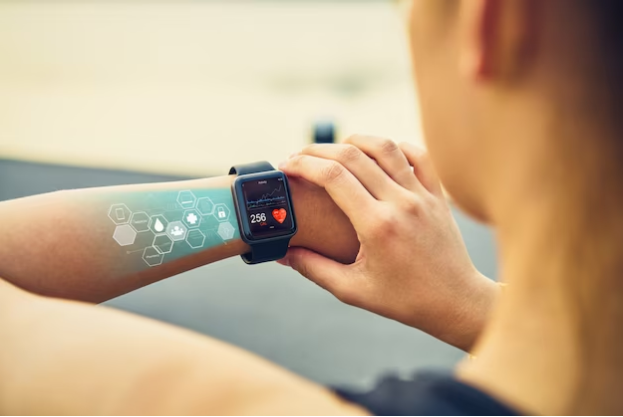
Wearable technology is rapidly transforming workplaces worldwide, enhancing productivity, safety, and collaboration. Devices like smartwatches, fitness trackers, augmented reality (AR) glasses, and specialized wearables are no longer limited to personal use; they are making their way into offices, factories, and even remote work setups. By integrating wearable technology into the workplace, businesses are gaining new ways to optimize operations, improve employee well-being, and drive efficiency.
What is Wearable Technology?
Wearable technology refers to smart electronic devices designed to be worn on the body. These gadgets collect and transmit data to other devices or cloud-based systems for analysis. Popular examples include:
- Smartwatches: Devices like the Apple Watch or Samsung Galaxy Watch monitor health metrics and provide notifications.
- Fitness Trackers: Gadgets such as Fitbit or Garmin track physical activity and sleep patterns.
- AR Glasses: Devices like Microsoft HoloLens or Google Glass enhance real-world environments with digital overlays.
- Specialized Wearables: These include smart helmets, biometric sensors, and industrial-grade wearables tailored for specific sectors.
The Rise of Wearables in the Workplace
In the past decade, wearable technology has shifted from novelty to necessity in various industries. The global wearable technology market was valued at over $61 billion in 2022 and is expected to grow exponentially. Companies are leveraging wearables to streamline workflows, ensure safety compliance, and foster healthier work environments.
Benefits of Wearable Technology in the Workplace
1. Boosting Employee Productivity
The LBS Insight blog on wearable devices empowers employees by enabling them to work smarter and faster. Here’s how:
- Real-Time Notifications: Smartwatches and wearable apps send instant alerts for meetings, task reminders, or critical updates, ensuring employees stay on track.
- Hands-Free Communication: Devices like AR glasses allow workers to access information without pausing their tasks, enhancing efficiency in roles like manufacturing and logistics.
- Performance Monitoring: Managers can use wearables to monitor metrics such as task completion time or productivity levels, enabling data-driven decision-making.
2. Enhancing Employee Wellness
A healthy workforce is a productive workforce, and wearable technology plays a vital role in promoting well-being:
- Health Tracking: Fitness trackers monitor heart rate, steps, and sleep quality, encouraging employees to adopt healthier habits.
- Stress Management: Wearables with stress-detection features help employees recognize and manage stress through guided breathing exercises or mindfulness prompts.
- Fatigue Monitoring: Industries like transportation and construction use wearables to detect fatigue, reducing the risk of accidents caused by overexertion.
3. Improving Workplace Safety
Safety wearables are critical in industries where hazardous conditions are prevalent. Examples include:
- Smart Helmets and Vests: These devices detect unsafe environmental conditions like gas leaks or extreme temperatures.
- Fall Detection Sensors: Wearables can alert supervisors immediately when an employee falls or experiences an injury.
- Location Tracking: In large workspaces or remote sites, wearable GPS systems ensure employees can be located quickly during emergencies.
4. Facilitating Training and Collaboration
Wearable tech also transforms how employees learn and collaborate:
- Virtual Reality (VR) Training: VR headsets simulate real-world scenarios, enabling immersive training for new hires or complex tasks.
- Remote Collaboration: AR glasses allow remote teams to share a visual workspace, facilitating seamless communication and troubleshooting.
- Skill Enhancement: Wearables equipped with AI capabilities offer real-time coaching or task suggestions, reducing learning curves.
Applications Across Industries
1. Healthcare
Wearables like biometric monitors and smartwatches are revolutionizing healthcare workflows:
- Patient Monitoring: Devices help healthcare workers track patient vitals in real time.
- Staff Safety: Nurses and doctors use wearables to monitor their stress levels and prevent burnout.
- Workflow Optimization: Alerts for medication schedules or patient needs to improve operational efficiency.
2. Manufacturing and Logistics
Industries with physically demanding tasks benefit significantly mentioned on https://lbsinsight.com/ about wearable integration:
- AR Glasses: Workers access step-by-step assembly instructions without leaving their stations.
- Exoskeletons: These wearable devices assist with heavy lifting, reducing physical strain.
- Warehouse Management: Smart gloves and trackers optimize inventory picking and reduce errors.
3. Corporate Offices
In traditional office settings, wearables enhance productivity and health:
- Focus Monitoring: Devices track employee focus levels and suggest breaks to maintain efficiency.
- Wellness Programs: Many companies integrate wearables into wellness initiatives, rewarding employees for meeting fitness goals.
- Hybrid Work: Remote workers use wearables for virtual meetings and performance tracking.
4. Construction and Fieldwork
Construction sites are adopting wearables to ensure worker safety:
- Smart Helmets: Equipped with sensors to detect falls, collisions, or dangerous substances.
- Proximity Sensors: Wearables alert workers when they are too close to heavy machinery or hazardous zones.
Challenges of Implementing Wearable Technology
While the benefits are numerous, integrating wearable technology into workplaces presents certain challenges:
1. Privacy Concerns
Employees may be uncomfortable with constant monitoring, fearing misuse of their personal data. Employers must be transparent about how data is collected, stored, and used.
2. High Initial Costs
The upfront investment in wearable devices, training, and integration systems can be significant, especially for small and medium-sized enterprises (SMEs).
3. Device Compatibility
Ensuring that wearables integrate seamlessly with existing workplace systems and software can be a logistical hurdle.
4. Data Overload
Collecting vast amounts of data requires robust analytics systems to extract actionable insights, which may strain organizational resources.
The Future of Wearable Technology in Workplaces
The wearable tech industry continues to evolve, driven by advancements in AI, 5G connectivity, and IoT (Internet of Things). Future trends include:
- Personalized Work Experiences: AI-driven wearables will tailor tasks and workflows to individual preferences and capabilities.
- Smart Clothing: Wearable tech will expand to include smart fabrics that monitor vital signs or adjust to environmental conditions.
- Edge Computing: Wearables with edge computing capabilities will process data locally, improving speed and privacy.
As these innovations mature, wearable technology will become even more integral to enhancing workplace productivity and employee satisfaction.
Conclusion
Wearable technology is not just a tool for personal fitness or convenience—it is a game-changer for workplace productivity and efficiency. From improving communication and safety to fostering wellness and collaboration, wearables are transforming how organizations operate. However, businesses must address challenges like privacy concerns and integration costs to fully unlock the potential of these devices. As technology advances, the integration of wearables in workplaces will continue to redefine the boundaries of productivity and innovation.
