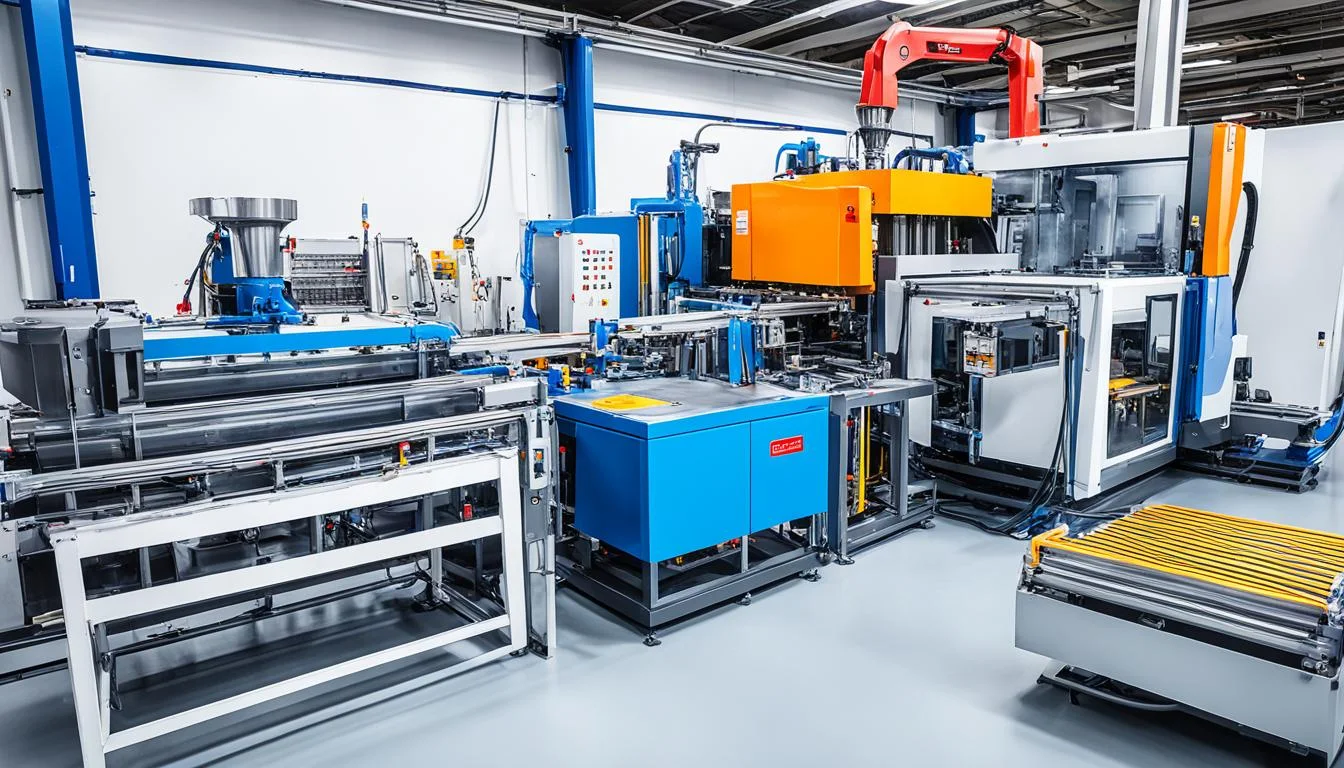
Injection moulding is undoubtedly one of the most essential processes for obtaining quality plastic parts. Nonetheless, to be able to achieve maximum effectiveness and cost efficiency in such a manufacturing process, many factors need to be understood. The purpose of the present article is to present tips and tricks that will help achieve the injection moulding optimisation with a focus on cost containment and improvement of process efficiency.
How Injection Moulding Works?
‘injection molding’ refers to the process where plastic granules are heated until they reach melting point and in this state they are injected into the interior of a hollow cavity in a mould. Once the material has cooled and sufficiently hardened, the product created is extracted. Although this method is widely practised, there are ways to optimise the process aimed at cost efficiency and increased productivity.
Mould and Its Construction as the Efficiency Factor
The Importance of Production Efficiency in Relation to Mould Engineering.
There is no question that one of the major factors affecting production efficiency is the mould designers. High-quality moulds are likely to prevent the occurrence of defects and help reduce the amount of work during post processing. Likewise, by applying CAD software to construction, manufacturers are able to simulate and examine the performance of the mould and achieve a more efficient and accurate design.
Material Selection to Increase the Lifespan of Moulds
Materials used in making moulds are very crucial as they influence cost and durability of the moulds. Moulds made from steel have better durability, hence the higher costs whilst aluminium moulds are cheaper but less durable and suitable for lesser volume runs. Hence, optimising cost over a period of time calls for a balance to be struck between the choice of material and the quantities to be manufactured.
Modifying and Refining the Injection Moulding Process
Optimising Machine Settings
One of the easiest methods to increase efficiency is by adjusting machine parameters such as temperature and pressure. Tame machines with needless factors of inefficiency by attention to setup and scheduled maintenance. Efficiently running machines mean more efficient moulding, which means less variability and fewer delays.
Reducing Cycle Time
The time it takes from the injection to the time of ejection of the moulded part is referred to as the cycle time and is equally important in the efficiency of production. There are a few ways of reducing cycle times such as cooling, usage of multi-sampled moulds, and reducing changeover time. High productivity and shorter cycles promote greater output. If you need More information about Protolabs Network, please visit our website.
Material Optimisation for Cost Reduction Minimising Waste
Reducing material waste is essential for lowering costs. One way to achieve this is by refining the design of the gates in the runner system that is responsible for injecting the fluid plastic into the cavity of the mould. Additionally, recycling scrap and utilising plastics that have low volumetric shrinkage would conserve wastage and minimise additional production costs considerably.
Efficient Material Handling and Storage
The quality of the products will be maintained during all the stages of the moulding activities if there is adequate control of the materials being handled. Raw materials should be stored in suitable environmental conditions to avoid impurities and promote uniformity. Basic material control measures, together with temperature-controlled storage, are important factors that enhance the moulding processes.
