LTE networks rely on signaling radio bearers (SRBs) for the transfer of critical signaling messages. These messages guide device and network communication, ensuring smooth interactions between User Equipment (UE), eNodeB, and the core network. Understanding the roles and differences between SRB0, SRB1, and SRB2 is essential for anyone working with LTE technology, as each SRB type serves distinct functions within the network. This blog explores these functions, how each SRB operates, and why they are configured uniquely within LTE networks.
What are SRB0, SRB1, and SRB2 in LTE Networks?
Defining Signalling Radio Bearers in LTE
Signaling Radio Bearers (SRBs) are specialized channels in LTE networks used for carrying signaling messages. These messages are crucial for setting up and maintaining radio connections. SRBs handle two types of signaling: Radio Resource Control (RRC) and Non-Access Stratum (NAS). RRC messages occur between the UE and eNodeB, while NAS messages take place between the UE and the Mobility Management Entity (MME). Understanding each SRB’s role helps in grasping how LTE networks function.
Primary Functions of SRB0, SRB1, and SRB2
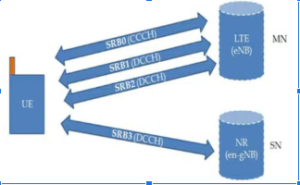
SRB0, SRB1, and SRB2 each have unique functions. SRB0 transfers RRC messages using the Common Control Channel (CCCH). SRB1 also handles RRC messages but uses the Dedicated Control Channel (DCCH). Additionally, SRB2 is designed for carrying RRC messages that encapsulate NAS messages. This encapsulation ensures efficient communication between UE and eNodeB, which is crucial for maintaining a stable and secure LTE connection.
Importance of SRBs for LTE Communication
SRBs are vital for the seamless operation of LTE networks. They manage the signaling required for connection establishment, maintenance, and release. Without SRBs, the network would fail to coordinate these processes efficiently. SRB0, SRB1, and SRB2 ensure that signaling messages are prioritized correctly, helping to maintain optimal network performance and security. Proper configuration and usage of SRBs are key to sustaining the high standards of LTE communication.
How Does Each SRB Function in LTE?
SRB0: Initial RRC Message Transfer
SRB0 is critical during the initial stages of UE connection with the eNodeB. It uses the CCCH for transmitting initial RRC messages, facilitating the first contact between the UE and the network. This initial phase is vital for setting up the connection parameters. SRB0 operates in transparent mode RLC (Radio Link Control), enabling the swift transfer of these preliminary messages without error correction. This speeds up the process of establishing the much-needed connection.
SRB1: Enhanced RRC and NAS Signaling
SRB1 takes over once the initial connection is established. It transfers RRC messages and can encapsulate NAS messages if SRB2 is not yet configured. Using the DCCH, SRB1 handles more complex signaling tasks that require acknowledged mode RLC, ensuring error-corrected data transfer. This function of SRB1 enhances the reliability of subsequent communication, playing a critical role in maintaining stability and security within the network.
SRB2: NAS Encapsulation and Priority Handling
SRB2 is deployed for encapsulating NAS messages and managing their priority. It’s configured after security activation in the network and uses DCCH similar to SRB1. However, SRB2 has a lower priority compared to SRB1, dedicating itself to handling NAS signaling specifically. Its role ensures that critical NAS messages are efficiently transported between UE and the core network via eNodeB.
What Are the Differences Between SRB0, SRB1, and SRB2?
Protocol and Channel Variations Among SRBs
Each SRB operates over different channels and uses distinct protocols. SRB0 uses the CCCH and operates in transparent mode RLC. Meanwhile, SRB1 and SRB2 use the DCCH but function in acknowledged mode RLC. These protocol variations influence how each SRB handles error correction and data reliability, making them suitable for different stages and types of signaling within the LTE network.
Priority and Use Cases for Each SRB
The priority and use cases for each SRB vary. SRB0, being the initial contact point, has the highest priority during the connection setup phase. SRB1, used for more stable and error-managed communication, takes on a significant role once SRB0 completes its task. SRB2, with its lower priority, is dedicated to transporting NAS messages efficiently. These prioritizations ensure that critical signaling is handled appropriately to maintain network performance.
Security and Reliability Implications
The security and reliability of communication within LTE are tightly linked to the proper functioning of SRBs. SRB0’s rapid initial setup is fundamental, but SRB1’s acknowledged mode ensures ongoing reliable communication. SRB2, configured after security measures are activated, ensures that encapsulated NAS messages are transmitted securely. This layered security configuration underscores the SRBs’ collective importance in safeguarding network integrity.
Why Are SRBs Configured Differently in LTE Networks?
Network Protocols for SRB Configuration
Network protocols dictate how SRBs are configured, aiming to balance performance and security. The configuration protocols ensure that each SRB is placed correctly within the network hierarchy, facilitating efficient message transfer. This strategic placement allows networks to manage various types of signaling traffic effectively, crucial for high-speed LTE communications.
SRB Setup in eNodeB and MME
The eNodeB and MME play significant roles in setting up SRBs. The eNodeB configures SRB0 and SRB1 for initial and continuing RRC messages, while the MME takes charge of NAS signaling through SRB2. This collaborative setup helps in managing signaling traffic efficiently. Proper configuration by these network elements is essential for maintaining a synchronized and stable LTE network.
Security and Traffic Management in SRB Configuration
In configuring SRBs, security and traffic management are paramount. Networks must ensure that each SRB is capable of handling its respective signal types securely. This ensures that SRB0 quickly establishes connections, SRB1 manages RRC and NAS messages reliably, and SRB2 handles NAS messages post-security activation. This careful configuration is essential for reducing latency, preventing congestion, and ensuring the overall security of LTE communications.
Conclusion
Understanding the distinct roles of SRB0, SRB1, and SRB2 in LTE networks is crucial for effective network management. Each SRB type supports a specific phase or type of signaling, contributing to the overall stability and security of the network. Configuring these SRBs properly ensures that LTE networks can handle signaling traffic efficiently, providing seamless communication between users and the network. By appreciating the functions and differences of each SRB, network professionals can enhance their strategies for maintaining and optimizing LTE network performance.
