Many people who have had to deal with melasma admit that it is one of the most frustrating skin conditions to have. But, despite the difficulties that come with melasma removal in Singapore, finding the right treatment for you isn’t entirely impossible.
From professional treatments to natural remedies, there are several approaches that can be used to treat melasma. Perhaps the only dilemma is the abundance of treatment options which can be overwhelming for starters.
However, once you understand your options and the unique conditions or triggers of your melasma, finding the right treatment shouldn’t be overly complex. This article will compare different treatment options to help you decide which one best fits your needs. But first;
What Does Melasma Look Like?
Melasma affects 15% to 50% of pregnant people so it is fair to say that it is a very common skin condition. However, melasma is often confused with other skin conditions like hyperpigmentation, post-inflammatory pigmentation, and solar Lentigo thus the question; what does melasma look like?
Melasma causes blotchy, freckle-like patches or spots that are slightly darker than your natural skin tone. The color can vary depending on your skin tone and the severity of the melasma. For example, melasma can appear as tan, brown, grayish-brown, or bluish-gray patches on people with lighter skin tones.
For people with darker skin tones, it can look bluish-gray. The patches are usually symmetrical and don’t hurt or itch. These patches can appear on the cheeks, forehead, nose, and upper lip, and sometimes on other parts of the body that receive significant sun exposure.
Melasma is often triggered by hormonal changes, such as those during pregnancy. This is why it is often referred to as “the mask of pregnancy.” Other potential triggers include sun exposure, which can exacerbate the condition, and a genetic predisposition. People with darker skin tones are more prone to melasma due to their higher melanin levels.
What are the Medical Treatments for Melasma?
Several treatment approaches can be recommended for you when you’re seeing a professional for melasma removal in Singapore. The medical treatments for melasma include; topical treatments, chemical peels, laser therapy, microdermabrasion, and skin Exosome therapy among others.
Topical Treatments
These are applied to the skin to minimize the appearance of melasma. Options include;
- Hydroquinone: This is a skin-lightening agent that is often the first line of treatment for melasma. Hydroquinone inhibits the enzyme responsible for melanin production. It’s available in various concentrations, both over-the-counter and by prescription. Common side effects include skin irritation and, rarely, ochronosis, a bluish-black discoloration.
- Retinoids: Retinoids like tretinoin, help increase cell turnover. They also promote the exfoliation of pigmented cells and are often used in combination with other treatments for enhanced effectiveness. Side effects may include dryness, redness, and sensitivity to sunlight.
- Corticosteroids: These anti-inflammatory agents can help reduce pigmentation when used in combination with hydroquinone and retinoids. Long-term use can lead to skin thinning and other side effects, so they are typically prescribed for short-term use.
Chemical Peels
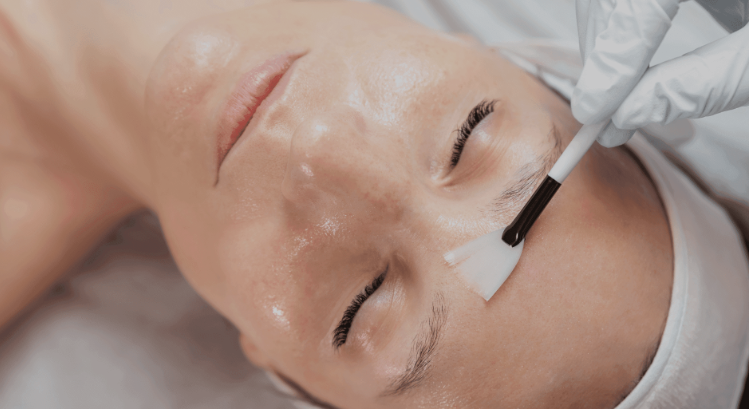
Chemical peels involve applying a solution to the skin that causes it to exfoliate and eventually peel off. This process removes the top layers of skin and reveals fresher, less pigmented skin beneath.
Superficial peels like glycolic acid peels are often used for melasma. These peels have minimal downtime and are relatively safe. Medium peels, like those using trichloroacetic acid (TCA), penetrate deeper but require more recovery time and carry a higher risk of side effects.
Laser Therapy
Laser treatments target the pigment in melasma with focused light energy to break up the pigment particles so they can be absorbed by the body. Q-switched lasers and fractional lasers are commonly used for melasma.
These treatments can be effective but also carry risks such as post-inflammatory hyperpigmentation (PIH) and can be expensive. For the best treatment outcomes, seek someone who uses advanced laser equipment and can custom-tailor the treatments to your unique needs.
Microdermabrasion
Microdermabrasion uses a device to exfoliate the outermost layer of skin, promoting cell turnover and reducing pigmentation. It’s less aggressive than chemical peels and lasers which makes it a suitable option for those with sensitive skin.
Results can vary, but many people see improvements after several sessions. Post-treatment care includes avoiding sun exposure and using gentle skincare products.
How to Cure Melasma Naturally
To cure melasma naturally means switching to non-medical options for melasma removal in Singapore. Some of the best options to cure melasma naturally include;
- Aloe Vera: Aloe vera is known for its soothing and healing properties. It contains aloin, a compound that has been shown to lighten hyperpigmentation. Applying fresh aloe vera gel to affected areas can help reduce melasma over time.
- Apple Cider Vinegar: Apple cider vinegar contains acetic acid, which may help lighten pigmentation. Dilute it with water before applying to avoid skin irritation. Use it as a toner by mixing equal parts apple cider vinegar and water, and apply with a cotton ball.
- Turmeric: Turmeric has anti-inflammatory and antioxidant properties which is why it is a popular natural remedy for melasma. Create a paste with turmeric powder and milk or water and apply it to the affected areas. Leave it on for 15-20 minutes before rinsing off.
- Lemon Juice: Lemon juice is rich in vitamin C which is a natural skin brightener. However, it can be harsh on the skin, so it’s important to dilute it with water. Apply the mixture to the skin, leave it on for 10 minutes, and rinse off. Avoid sun exposure after using lemon juice as it can increase sensitivity.
- Licorice Extract: Licorice extract contains glabridin, which has skin-lightening effects. It can inhibit the production of melanin and is often found in topical creams and serums. Regular application can help lighten melasma patches.
Medical Treatments vs. Natural Melasma Removal Treatments: What to Choose?
First off, whether you have a preference for medical treatments or natural melasma removal treatments, your best bet remains an appointment with a skilled skin or cosmetic doctor for thorough assessment and treatment personalization. This is important because even with natural remedies, there are instances when some remedies may not be ideal for you. That said, here are the key considerations when choosing between medical vs. natural melasma remedies;
- Effectiveness: Medical treatments generally provide faster and more noticeable results compared to natural remedies. However, natural remedies can be effective for mild cases and are often used as a complementary approach.
- Safety and Side Effects: Medical treatments can have side effects like skin irritation, redness, and increased sensitivity to sunlight. Natural remedies tend to have fewer side effects, but their efficacy varies.
- Cost Considerations: Medical treatments, particularly lasers and professional peels, can be expensive. Natural remedies are typically more affordable as they use ingredients that may already be in your kitchen.
- Time to Results: Medical treatments can show results in a few weeks to months, depending on the method used. Natural remedies usually take longer to show visible improvements and require consistent application over several months.
Closing Thoughts
The best approach for melasma removal in Singapore is to first seek professional advice to determine the best treatment plan for your specific skin type and condition. A dermatologist can help tailor treatments to your needs and monitor your progress. This is important as different skin types respond differently to treatments.
Want to see what is most likely to work for your melasma? Schedule an appointment with us today for a thorough assessment and treatment personalization.
Cambridge Medical Group
391B Orchard Road, #08-05A1,
Tower B, Ngee Ann City,
Singapore 238874
https://www.cambridgemedical.com.sg/
+656733 0777
