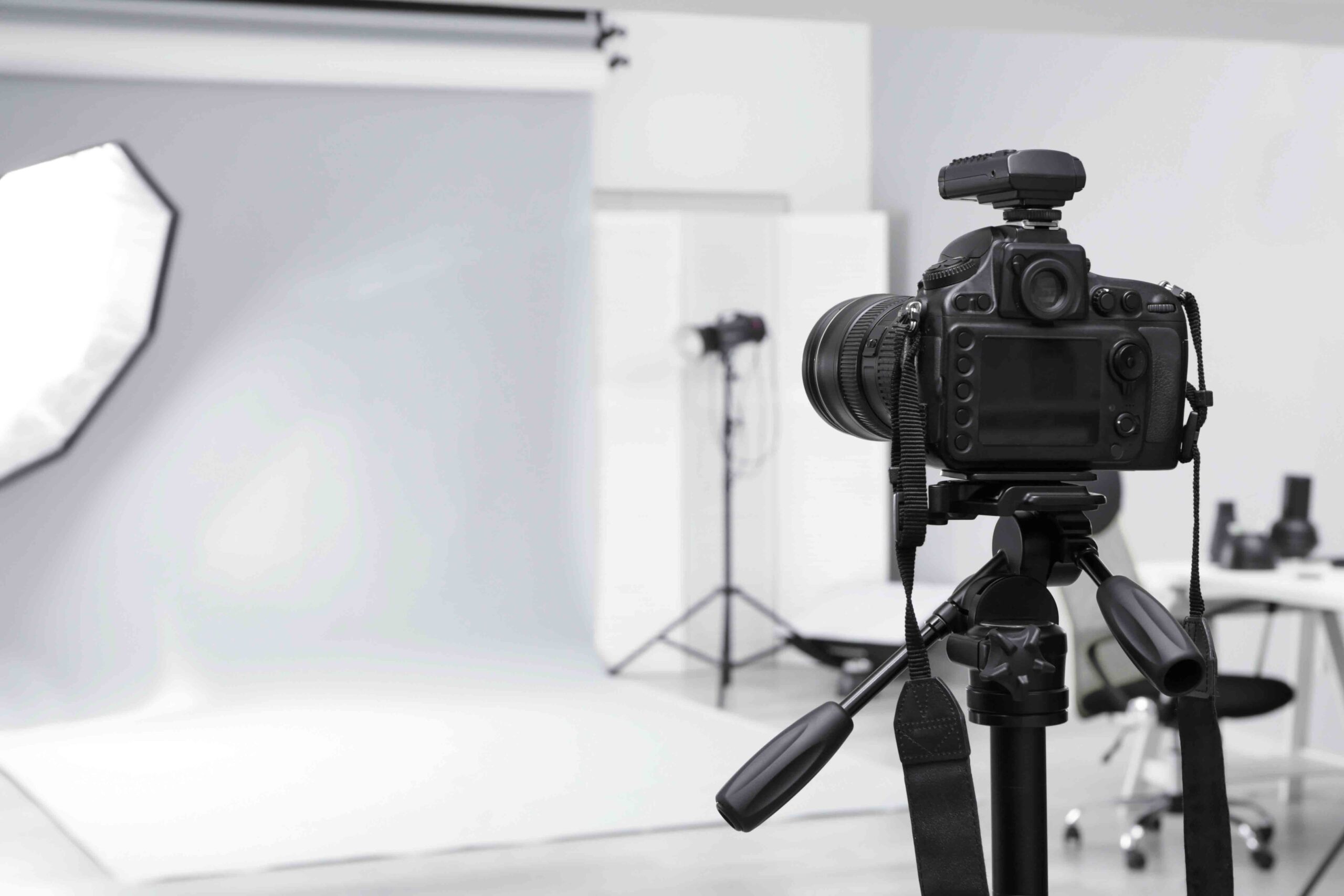
Fashion photography is exciting and demands a strong understanding of lighting to highlight subjects, clothes, and composition. Light can give depth, drama, and character to a photo, accentuating textures, colors, and details. In this blog, we’ll discuss six fundamental lighting strategies for beautiful fashion photography.
1. Natural Lighting: Sunpower
Fashion photography benefits from natural light’s versatility and accessibility. Its subtle, pleasing radiance enhances skin tones and looks natural. But mastering natural light requires knowing its qualities and how to control it.
The golden hour—just after sunrise and before sunset—is known for its pleasant, diffused light. The low light casts lengthy shadows and creates a lovely glow. Outdoor fashion shoots are best in this soft light.
Shooting in direct sunshine requires diffusing techniques to soften the light and reduce harsh shadows. Diffusers, scrims, or simply a white sheet can diffuse sunlight to make the subject look better.
Shade and Reflectors: Shade can reduce direct sunlight, especially during noon shots. A well-balanced and lighted image can be created by placing the subject in shade and reflecting light. Reflectors can fill shadows and illuminate specified areas.
2. Studio Lighting Control and Precision
Studio lighting lets photographers alter and experiment with lighting. The correct studio lighting arrangement can simulate natural light or generate dramatic, stylized effects.
Softboxes and umbrellas are essential studio lighting instruments. Smooth, consistent lighting from softboxes eliminates harsh shadows and highlights. If desired, umbrellas can filter or reflect light (shoot-through or bounce). Both tools are great for natural, beautiful fashion photography.
Beauty Dish: Fashion photographers love beauty dishes for their particular light. It enhances face features and adds beauty with concentrated, semi-soft light with defined shadows and highlights. The beauty dish works well for headshots and close-up fashion photographs.
Multiple light sources provide a bright, evenly lighted environment with little shadows in high-key lighting. This approach gives fashion photographs a sleek, polished image. Low-key lighting creates deep shadows and significant contrast with a limited light source, providing drama and mood. Both methods can convey distinct subjects and feelings and have different aesthetics.
3. Ring lights enhance facial features
Fashion photographers love ring lights for beauty and picture shoots. They use a circular light to reduce shadows and enhance facial features.
Ring lights cast a circular catchlight in the subject’s eyes. This makes the eyes sparkle and livelier, improving the portrait.
Fashion photography benefits from ring lights’ even illumination for makeup, skin texture, and precise details. They are ideal for beauty shots and close-ups, where every detail counts.
Ring lights are versatile and easy to use, making them an excellent photography tool. They can fill shadows and create dimension as the main light source or as a complement.
4. Off-Camera Flash: Creativity and Flexibility
Photographers can customize their lighting setup with off-camera flash, commonly known as strobe or speedlight. Moving the flash away from the camera lets photographers try alternative lighting angles and effects.
Directional Lighting: Off-camera flash can put the light source at varied angles to the subject. The image can become dynamic and three-dimensional with fascinating shadows, lighting, and depth.
Modifiers and Accessories: Softboxes, grids, and gels with off-camera flash improve light quality and produce effects. Softboxes and diffusers soften light, grids limit light dispersion, and gels provide color and mood. These tools let fashion photographers create several styles.
Remotely controlling off-camera flash units is easy with wireless triggers and synchronizing devices. This lets photographers experiment with many light sources to create intricate lighting setups and excellent results.
5. Continuous Lighting: Integrity and Real-Time Changes
Continuous or constant lighting provides a constant light source throughout the shoot. This form of lighting is ideal for photographers who want to view and alter light in real time.
In fashion photography, LED panels are popular for continuous lighting. They have adjustable brightness and color temperature and emit a gentle, uniform light. LED panels are perfect for long shoots since they conserve energy, produce little heat, and illuminate evenly.
Tungsten and fluorescent lights are alternative continuous illumination sources. Tungsten lights are warm and consistent, while fluorescent lights are cooler and daylight-balanced. In fashion photography, both types of lights can create various moods and effects.
Benefits: Continuous illumination allows exact modifications because the effect can be seen in real time. Beginner photographers learning lighting will benefit from this. Continuous illumination provides a consistent light source for photography and cinematography.
6. Improving Outdoor Shoots with Natural Light
Although natural light is great, altering it can improve outdoor fashion photos. Photographers can utilize reflectors, diffusers, and strategic positioning to achieve desired lighting.
Manipulating natural light requires reflectors. They reflect light back onto the scene, fill shadows, and brighten certain areas. Reflectors in white, silver, gold, and black produce diverse effects. White reflectors cast a gentle, natural light, silver reflectors brighten, and gold reflectors warm.
Diffusers soften harsh sunlight, making the subject appear more evenly lit. Direct sunlight can be diffused to reduce shadows and overexposure. Various-sized diffusers can be carried or mounted on supports for outside shoots.
Strategy: Natural light photography requires subject positioning relative to the light source. After lighting the subject from behind, a stunning halo effect and depth can be achieved. Side lighting enhances textures and dimension, whereas front lighting evenly illuminates and reduces shadows.
