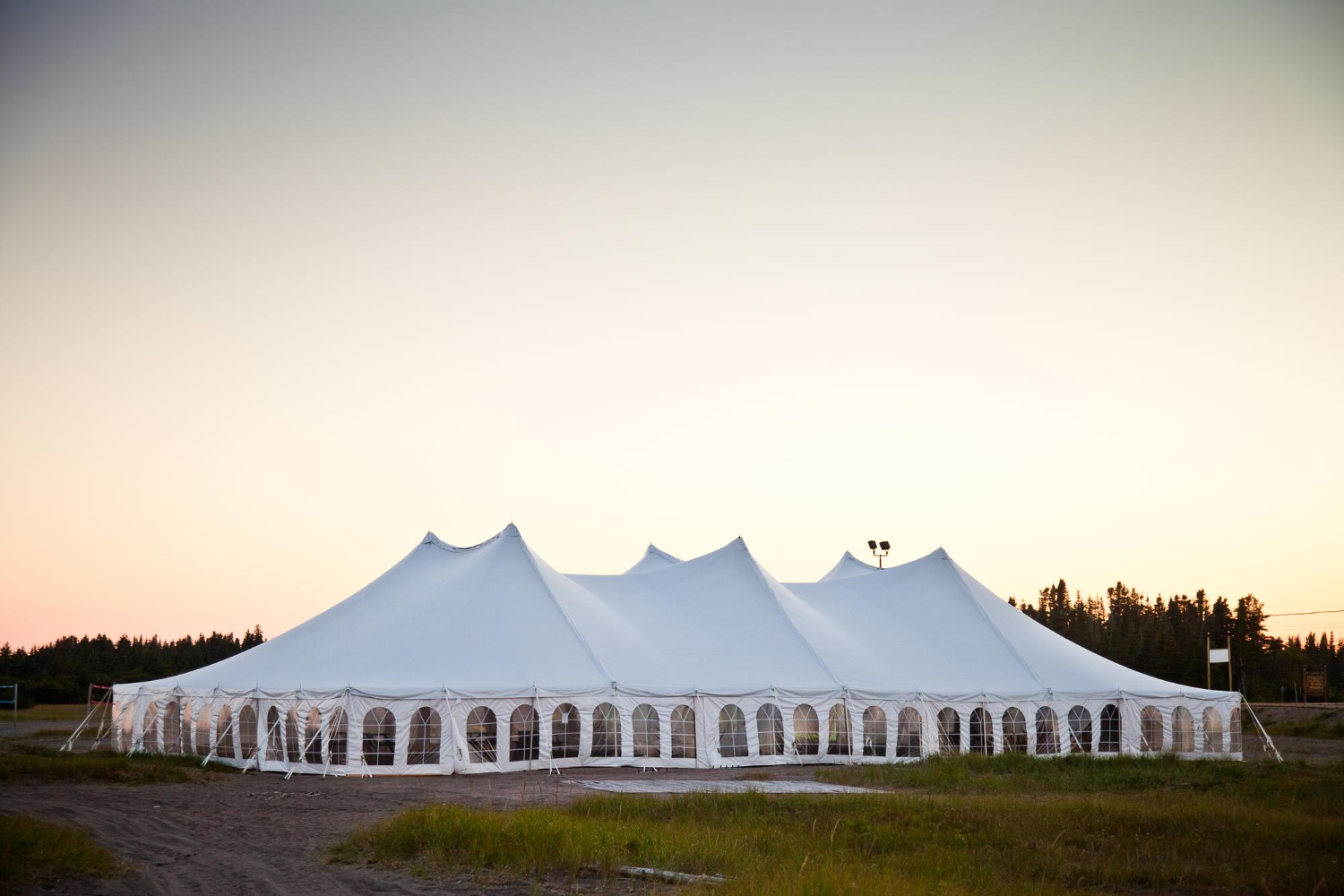
Sustainable and Eco-Friendly Designs
Green Materials
Sustainability is a major driving force in the development of temporary structures. Architects and designers are increasingly using eco-friendly materials such as recycled fabrics, bamboo, and biodegradable components. These materials reduce the environmental impact of events and appeal to eco-conscious attendees.
Energy Efficiency
Temporary structures offered by Pavilion Structures are now being designed with energy efficiency in mind. Innovations include solar-powered lighting, efficient HVAC systems, and energy-saving LED lights. These features not only lower the carbon footprint but also reduce operational costs. Another strong strategy to reduce your utility bills can be using Utility Bidder.
Advanced Modular Systems
Flexibility and Scalability
Modular systems offer unparalleled flexibility and scalability. They allow event planners to customize structures according to specific needs, from small gatherings to large festivals. These systems can be easily assembled, disassembled, and reconfigured, providing a cost-effective solution for various event types.
Speed and Efficiency
The modular approach also enhances the speed and efficiency of setup and teardown. Prefabricated components can be quickly transported and assembled on-site, minimizing labor costs and time. This efficiency is crucial for events with tight schedules.
Technological Integration
Smart Structures
The integration of smart technology is revolutionizing temporary structures. Features like automated climate control, dynamic lighting systems, and real-time structural monitoring enhance the comfort and safety of event attendees. These smart structures can adapt to changing conditions and provide a seamless experience.
Interactive Elements
Technology is also being used to create interactive and immersive experiences. Augmented reality (AR) and virtual reality (VR) installations, interactive displays, and multimedia projections are becoming common in temporary event structures, engaging attendees in new and exciting ways.
Innovative Design and Aesthetics
Unique Shapes and Forms
The use of advanced materials and engineering techniques allows for the creation of unique and eye-catching shapes. From geometric patterns to organic, flowing forms, these structures stand out and make a strong visual impact. They can be tailored to match the theme and branding of the event, enhancing its overall appeal.
Transparent and Translucent Materials
The trend towards transparency is gaining popularity. Structures made from transparent or translucent materials, such as ETFE (ethylene tetrafluoroethylene) and polycarbonate, allow natural light to flood the interior, creating a bright and inviting atmosphere. These materials also offer excellent thermal insulation and weather resistance.
Multi-Functional Spaces
Versatile Usage
Modern temporary structures are designed to be multi-functional, accommodating various activities within a single space. They can seamlessly transition from conference areas to dining spaces, lounges, and performance stages. This versatility is particularly valuable for events with diverse programming.
Integrated Amenities
Incorporating amenities such as restrooms, catering facilities, and VIP areas within the temporary structures enhances the convenience and comfort for attendees. These integrated solutions eliminate the need for additional external facilities, simplifying logistics and reducing costs.
Health and Safety Considerations
Enhanced Safety Features
In response to recent global health concerns, temporary structures are now being equipped with enhanced safety features. Improved ventilation systems, touchless entry points, and sanitation stations are becoming standard. These measures ensure a safe and hygienic environment for attendees.
Structural Integrity
Advances in engineering and materials have improved the structural integrity of temporary structures. They are now more resilient to extreme weather conditions, providing a secure environment regardless of the location or season.
Conclusion
The future of event architecture lies in the continuous innovation and adaptation of temporary structures. By embracing sustainable practices, modular designs, technological integration, and multi-functional spaces, the industry is poised to create unforgettable event experiences that are both efficient and environmentally responsible. As these trends continue to evolve, temporary structures will play a pivotal role in shaping the landscape of modern events, offering limitless possibilities for creativity and functionality.
For event planners and organizers, staying abreast of these trends is essential to deliver cutting-edge experiences that meet the expectations of today’s discerning audiences. Embracing these advancements will not only enhance the overall quality of events but also contribute to a more sustainable and forward-thinking industry.
