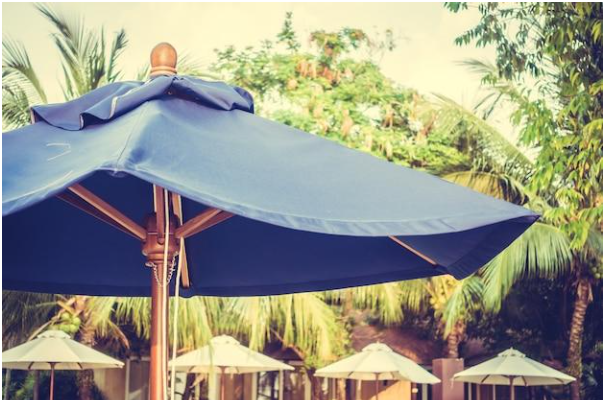
Knowing the many styles and brands of cloth available is essential to select the best retractable awning design. The ideal choice gives you the outside features and aesthetics you need to improve the appearance of your home. This article will concentrate on the characteristics, advantages, and suggested uses of the seven most popular fabric types for Retractable Awnings.
When you finish reading this article, you will know which cloth is best for protecting your patio furniture and reducing energy costs.
- Sunbrella Fabric
For retractable awnings of any kind, Sunbrella material is recommended due to its exceptional durability and weather resistance. Sunbrella fabric is highly resistant to fading, and the sun’s rays are created. Additionally, because this fabric doesn’t mold or mildew, it may be used in humid environments exposed to the elements.
Advantages
- High UV safeguard, mitigating the risk of coming into contact with dangerous rays.
- Vitamin D resistance for colors so the awning does not fade easily and retains its color.
- Non-absorbent, good for the areas with much precipitation or humidity, such as bathrooms and kitchens.
Best Use Cases
- Patios that are directly open to the sun rays.
- Places exposed to high humidity around pools of water, such as gardens.
- Acrylic Fabric
Acrylic fabrics are well appreciated for their looks and ability to last longer. These fabrics are coated to make them water, mildew, and UV-resistant. These fabrics are suitable for almost all climate ratings. Acrylic fabrics are usually lightweight and smooth in texture, giving a feeling of royalty despite the fabric’s strength.
Advantages
- UV protection of higher quality to protect from the sun.
- Protection from water and moss that would help to increase the fabric’s useful life.
- Various colors and subtle designs to match that of any room.
Best Use Cases
- Private premises interested in improving the aesthetics of outdoor areas using beautiful and elegant awnings.
- Places where there are temperature changes.
- Polyester Fabric
Polyester textiles are primarily utilized because they are affordable and function well under typical environmental circumstances. They are often lacquered using acrylic or PVC varnish to improve their resistance to water and UV radiation. Although polyester is less durable than acrylic or Sunbrella materials, it still offers a fair price.
Advantages
- Economical, offering protection at relatively cheap prices compared to the kind of protection they offer.
- It is available in many colors and designs; this gives flexibility in the type of design needed.
- Coated to protect against UV rays and water, while not as durable as other fabrics.
Best Use Cases
- Savvy consumers in search of a practical and affordable awning.
- Non-severe climates where there are no regular and severe changes in weather.
- PVC Coated Fabric
PVC-coated textiles are a very resilient and weatherproof material resistant to UV rays, water, and mildew. Due to their relative durability, these textiles are frequently used in commercial settings. Because of their adaptability and ease of cleaning, they may be utilized easily in crowded settings.
Advantages
- Holds a very high density and is proven to be weather-friendly.
- Non-porous and easily washable means minimal effort goes into cleaning.
- Offers excellent protection against ultraviolet radiation and water.
Best Use Cases
- Public areas that require more durable and easy-to-maintain awnings.
- Places with windy weather or territories that receive frequent showers, especially when categorizing the area as having heavy rainfall.
- Vinyl Fabric
Vinyl fabrics also fall under this category because they are very hard-wearing and have good resistance to water and UV light. These fabrics are slightly stiffer than acrylic or polyester but exhibit better tear and wear resistance. Vinyl awnings require little maintenance, so they are spacious and ideal for high-traffic areas.
Advantages
- Durability and extra protection against water and UV rays.
- Sturdy and withstands rips, making them last longer.
- Durable and does not require frequent washing to look neat.
Best Use Cases
- Busy zones exposed to harsh weather conditions that need maximum security and shade.
- Places characterized by either high rainfall incidence or high levels of direct sunlight.
- Mesh Fabric
Mesh fabrics, therefore, are designed to offer shade while still permitting air circulation, making them ideal for tropical regions. These fabrics prevent many UV rays from penetrating the area under the awning while keeping the areas cooler. Mesh fabrics are also relatively light, with several having a smooth texture and thus easy to install.
Advantages
- Perfect for creating a shade for any occasion without restraining air circulation.
- Reduces heat penetrating the outer surface, thus lowering heat in the outer environment.
- Traditionally limits a fairly large number of UV rays, thus providing protection.
Best Use Cases
- Areas where air circulation is important, such as regions with high temperatures.
- Terraces and open areas that would require shading from the direct sun while continuing to allow for breeziness.
- Cotton Blend Fabric
Finding textiles with a more natural appearance is challenging, yet cotton-blended materials do so. Blends of cotton and other materials are not as resilient as synthetic materials, but they are treated to be slightly water-resistant and offer some UV protection. These designs are perfect for functioning spaces that don’t need to be used frequently and for aesthetically pleasing displays.
Advantages
- Uniformity with aesthetics of outdoor space to blend with the natural environment.
- Treated to offer it a minimum safeguard from water log and Ultraviolet radiation.
- Smooth and gentle, and gives a luxurious feeling.
Best Use Cases
- Application in areas where appearance is of importance.
- Open environments but covered and preferably with little exposure to extreme climate conditions.
Making Your Choice
It’s critical to ascertain which fabric qualities, durability, water resistance, UV protection, and aesthetic appeal are most important for your retractable awning. The following are some other things to think about:
Durability
Use thick fabric, such as Sunbrella or PVC-coated fabric materials, for the tough shrines, which are situated in regions with realistically harsh weather. These are resistant to weather and minor damage so they won’t fade.
UV Protection
Sunbrella and acrylic textiles are the best options if UV protection is your main concern. They offer exceptional UV resistance.
Water Resistance
Vinyl and PVC-coated textiles effectively keep water out in areas with frequent rainfall.
Aesthetic Appeal
To create aesthetically beautiful furnishings, use Fabric made of acrylic and cotton blend, available in various color combinations and desired patterns.
Using the right fabric on a retractable awning has several benefits, like protecting patio furniture and lowering energy expenses without sacrificing the area’s visual appeal. One may choose a clothing type that best suits them after learning about the many kinds and their characteristics.
Conclusion
Selecting the appropriate awning fabric for your retractable awning is essential to guarantee its endurance, practicality, and visual appeal. The alternatives in this guide provide a thorough overview to help you make the best decision, regardless of your preferences for style, water resistance, UV protection, or durability. Retractable awnings tend to improve your outside area and offer years of comfort and shelter while withstanding the weather. It also looks great.
