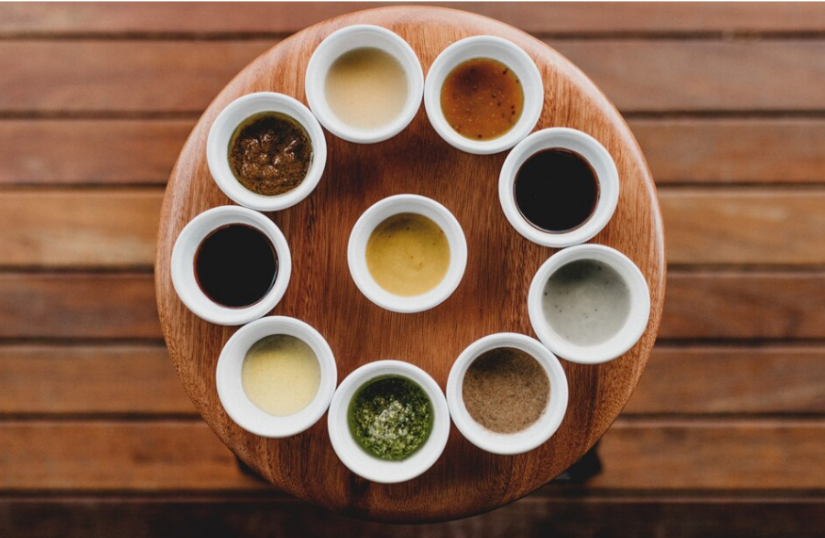
The Caribbean is a vibrant region where food is as colorful as the cultures that influence it. One of the hallmarks of Caribbean cuisine is its bold and fiery flavors, which often owe their intensity to a variety of sauces and seasonings. These essential sauces infuse traditional dishes with a balance of heat, spice, and sweetness, creating an unforgettable culinary experience. From savory stews to fried snacks, and grilled meats to seafood feasts, no Caribbean meal is complete without the addition of a carefully crafted sauce.
Caribbean sauces are as diverse as the islands themselves, drawing on the rich bounty of tropical ingredients such as scotch bonnet peppers, fruits, herbs, and spices. These sauces vary from island to island, with each culture contributing its own unique twist to the regional flavor palette. Yet, despite their differences, they all share a common goal: to elevate the dish, adding a layer of complexity that speaks to the heart of Caribbean cuisine.
The Essence of Caribbean Sauces
At the core of every great Caribbean dish is a sauce that delivers depth, character, and intensity. Sauces in the Caribbean are not merely an afterthought—they are essential to the meal. Whether drizzled over grilled fish or used as a dipping sauce for fried plantains, these sauces bring harmony to the plate, blending sweetness, sourness, and heat into one.
The Caribbean’s culinary influences come from Africa, Asia, Europe, and the indigenous peoples of the islands. This melting pot of cultures has given rise to sauces that combine ingredients like ginger, garlic, allspice, lime, and thyme, as well as heat-packed scotch bonnet peppers. This variety of influences makes the Caribbean’s sauces versatile, pairing equally well with fish, poultry, vegetables, and meats.
For example, the sweetness of a tamarind-based sauce can enhance the flavors of jerk chicken, while the tartness of pickled vegetables in a traditional vinegar-based sauce cuts through the richness of fried seafood. Coconut milk-based sauces lend creaminess to fiery curries, while citrus and herb combinations offer a refreshing contrast to the intense heat found in pepper sauces.
Caribbean Hot Sauce: Heat with Purpose
Among the most iconic sauces of the region is Caribbean hot sauce. Hot sauce is a staple across the islands, found on nearly every dining table and used to enhance a variety of dishes. However, Caribbean hot sauce is not just about overwhelming heat. It is a complex, multi-layered sauce that balances spicy, sweet, and tangy notes to create a well-rounded flavor profile.
The key ingredient in most Caribbean hot sauces is the scotch bonnet pepper. Known for its vibrant color and intense heat, the scotch bonnet is a small but mighty chili that packs a punch. But unlike some hot sauces from other regions that focus purely on the burn, Caribbean hot sauces often contain other ingredients like vinegar, mustard, and tropical fruits such as mango or papaya. These additional elements provide contrast, enhancing the pepper’s heat without overpowering the dish.
In Jamaica, hot sauce often features prominently in jerk seasoning, which is a blend of scotch bonnet, allspice, garlic, and thyme. This sauce is used both as a marinade and as a condiment, adding layers of flavor to grilled meats and vegetables. Meanwhile, in Trinidad and Tobago, pepper sauce may include the distinctive flavor of mango, which brings a sweet heat that complements the fiery pepper. Similarly, in Barbados, mustard-based hot sauces are popular, with the combination of mustard and scotch bonnet creating a tangy, spicy kick that is particularly well-suited to seafood dishes.
Hot sauces from the Caribbean are known for their ability to enhance, not overpower, the food. A well-made Caribbean hot sauce should complement the dish’s flavors, offering a fiery kick that lingers without dominating the palate.
The Role of Fruit in Caribbean Sauces
Fruits play an essential role in Caribbean sauces, contributing sweetness and balance to offset the heat of the region’s famous peppers. In fact, many of the sauces used in Caribbean cooking rely on the natural sweetness of tropical fruits like mango, pineapple, and tamarind to bring a well-rounded, dynamic flavor to the dish.
Mango, in particular, is a star ingredient in many Caribbean sauces. Its natural sweetness and juicy texture make it an ideal base for spicy condiments. Mango-based hot sauces, for example, combine the sweetness of ripe mangoes with the heat of scotch bonnet peppers to create a perfect blend of sweet and spicy flavors. This combination works especially well with grilled chicken or shrimp, where the sauce provides a vibrant contrast to the smoky, savory meat.
Pineapple is another popular ingredient in Caribbean sauces, often used to add sweetness to barbecue sauces and salsas. Pineapple’s natural acidity also helps cut through the richness of fried or fatty foods, making it a versatile addition to the Caribbean sauce repertoire. Similarly, tamarind, with its tangy and slightly sour flavor, is used in many sauces across the region. Tamarind-based sauces are particularly popular in Trinidad and Tobago, where they are used to enhance savory snacks such as doubles or aloo pies.
Fruits not only add sweetness but also depth and complexity to Caribbean sauces, ensuring that they complement a wide range of dishes, from seafood to grilled meats and fried snacks.
Caribbean Gourmet: Elevating Traditional Flavors
While Caribbean sauces have always been a fundamental part of the region’s cuisine, in recent years, they have taken on a more prominent role in gourmet dining. Chefs throughout the Caribbean and beyond are reinterpreting traditional sauces, elevating them into gourmet expressions of the islands’ culinary heritage. The concept of Caribbean gourmet involves taking familiar flavors and presenting them in innovative, often more refined ways.
For example, a simple mango hot sauce might be infused with exotic spices like saffron or cardamom to add an unexpected layer of flavor. A classic pepper sauce could be combined with fermented ingredients to develop depth and umami. This kind of culinary creativity is helping to redefine Caribbean cuisine in the world of fine dining, allowing traditional sauces to shine in new and exciting ways.
Caribbean gourmet is not limited to upscale restaurants; it has also made its way into home kitchens, where food enthusiasts experiment with combining traditional Caribbean flavors with modern cooking techniques. Sauces that were once strictly homemade are now available in gourmet food stores, with artisanal brands producing small batches of sauces using the finest local ingredients. These gourmet sauces maintain the essence of the Caribbean while pushing the boundaries of flavor, offering food lovers the chance to experience a more refined version of traditional sauces.
Caribbean sauces have long been loved for their ability to bring excitement to any meal. With the rise of gourmet Caribbean cuisine, these sauces are now being celebrated for their versatility, creativity, and potential to be much more than a mere condiment. Whether used as a marinade, a glaze, or a finishing touch, Caribbean sauces continue to inspire chefs and home cooks alike to explore new ways of bringing the bold flavors of the islands to the plate.
Conclusion
Caribbean sauces are the lifeblood of the region’s cuisine, transforming simple ingredients into vibrant and flavorful dishes. From the fiery heat of scotch bonnet peppers in hot sauce to the sweet complexity of fruit-based condiments, these sauces embody the spirit of the Caribbean: bold, diverse, and full of life. As Caribbean gourmet continues to evolve, these traditional sauces are finding new ways to shine, bringing the authentic flavors of the islands to kitchens and tables across the world. Whether enjoyed in a casual beachfront shack or a fine dining restaurant, the essential sauces of the Caribbean are a testament to the region’s rich culinary heritage and its enduring love for bold, flavorful food.
