An amazing piece of technology, the smartwatch can do so much more than just measure fitness metrics and provide alerts. The pace at which the smartwatch charges is one factor that influences how useful it is. Your smartwatch’s charging pace may be restricted by a number of things, including the charger and your usage habits. We shall go into great depth about these variables in this essay.
Why Does the Charging Speed Change?
Type of Charger
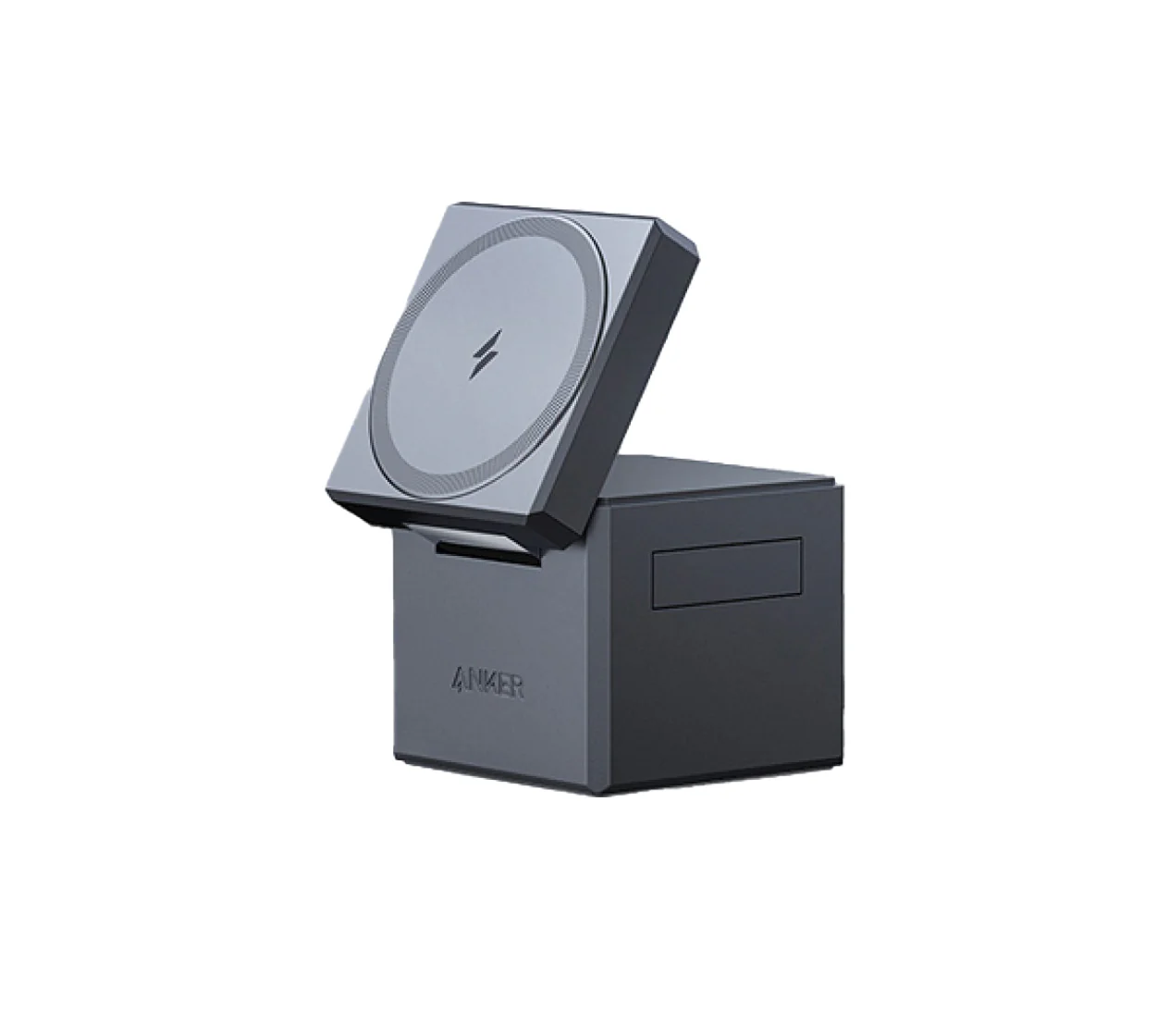
Your smartwatch’s charging speed is largely dependent on the kind of charger you choose. For example, the Anker 3-in-1 Cube with MagSafe could maximize the charging speed by pairing the smartwatch specifically.In addition, you can look for the latest iphone watch charger as well. Normally, the latest charger is designed to deliver the quickest charging speeds possible using inductive charging technology.
Quality of Charger
Another crucial element is the charger’s quality. Lower-quality or less expensive chargers could not be able to produce enough power, which would cause the charging pace to be slower. They could also eventually cause harm to the battery. Consequently, it’s imperative to spend your money on a premium charger that works with your Smartwatch.

Power Output
Another important component that affects charging speed is the charger’s power output. The gadget will charge more quickly the greater the power output. It’s crucial to remember that the Smartwatch can only charge at a maximum rate of about 5 volts and 1 ampere. The charging speed won’t improve any faster if the charger produces more power than this.
The Smartwatch Model
Different watch models may experience varying charging speeds. Depending on the model, the Smartwatch has different charging speeds. Older modelscharged more quickly because they required less power. Nevertheless, more recent modelshave more features and more potent processors, which draw more energy to run. They consequently require more time to charge.
Battery Health
Another element that influences how quickly your Smartwatch charges is the condition of its battery. The battery loses capacity and requires more time to charge as it ages. Additionally, slower charging speeds could result from a damaged battery or from any problems with it. Your Smartwatch’s battery life can be examined in the Settings app’s Battery section.
Charging Environment
The environment’s temperature and humidity when charging your Smartwatch can also have an impact on how quickly it charges. The battery’s lifespan can be shortened and damage caused by extremely high or low temperatures. Charging the Watch between 18°C and 27°C, or room temperature is recommended.
Others
Slow charging of the Smartwatch may occasionally be caused by software problems. The device may not perform at its best if it is not running the most recent system update, which could slow down charging. The device may also use more power when using specific apps or settings, resulting in a slower charging time.
Charging Habits
The rate at which your Smartwatch charges can also be affected by your charging habits. For example, repeatedly charging the device to 100% and then letting it discharge to 0% can put stress on the battery and shorten its life. To prevent overcharging, it is advised to charge the device to about 80% and then unplug it.
Conclusion
In conclusion, a number of issues, including the charger itself and how you use the watch, can affect how quickly your smartwatch charges. Using a high-quality charger, keeping your smartwatch updated, taking care of the battery, and charging according to recommended practices are all necessary to guarantee the fastest possible charging speeds. You can make sure that your smartwatch charges quickly and continues to function well for years to come by being aware of these factors.
