Key Takeaways
- Begin with repairs, cleaning, decluttering, and lighting before considering major renovation work.
- Match the preparation plan to the home’s location, architecture, condition, and likely buyer.
- Use staging to make each room’s scale, flow, and purpose easy to understand.
- Review permit needs before beginning work involving building systems or structural changes.
- Use nearby sales and current competition, not broad averages alone, to inform pricing.
- Finish photography, disclosures, and showing logistics before the listing goes live.
Preparing a home for sale in Palo Alto, California, is less about following every design trend and more about making smart, buyer-focused decisions. A well-prepared property helps buyers understand its condition, layout, light, and potential from their first online viewing through the showing. For a neighborhood-specific perspective, Palo Alto real estate agent Kathleen Pasin represents Kathleen Pasin Real Estate, a local residential real estate resource offering home search, valuation, seller, and community information for Palo Alto and nearby Peninsula communities, including Los Altos and Menlo Park.
Every preparation plan should reflect the individual property. A condominium, mid-century home, historic residence, and larger estate may attract different buyers and present different priorities. The goal is not to over-improve a home. It is to reduce distractions, document important work, and present the property in a way that feels complete and credible.
Why Preparation Matters in Palo Alto
Even in a sought-after market, buyers compare homes closely. They notice whether the entry feels cared for, whether rooms have a clear purpose, and whether maintenance concerns compete with the home’s best features. A fresh presentation can be especially valuable when buyers are comparing several homes in similar price ranges or neighborhoods. Often, better lighting, repaired finishes, and an edited floor plan do more for buyer confidence than a rushed, expensive kitchen remodel.
Build a Budget Before Choosing Projects
Set a firm budget and divide possible work into practical categories before hiring vendors. This prevents emotionally driven spending and keeps the listing timeline manageable.
Choose Projects by Priority
- Must do: Active leaks, safety concerns, broken systems, visible damage, and significant deferred maintenance.
- Should do: Paint touch-ups, updated bulbs, minor hardware repairs, landscaping cleanup, and cosmetic fixes.
- Could do: Large upgrades with uncertain timing, scope, or buyer return.
Ask whether each project will remove a likely objection, improve photography, or help buyers use the space more easily. Avoid starting open-ended work shortly before the intended launch date.
Fix Condition Issues First
Walk through the property as a buyer, inspector, and photographer would. Note dripping faucets, loose handles, cracked tile, damaged flooring, peeling paint, worn trim, sticking doors, burned-out fixtures, and neglected exterior details. Outside, inspect gutters, drainage paths, irrigation, fencing, gates, and visible roof or siding concerns. If heating, cooling, electrical, plumbing, or water-heating systems need attention, retain records of service or replacement work.
Stage for Clarity and Buyer Confidence
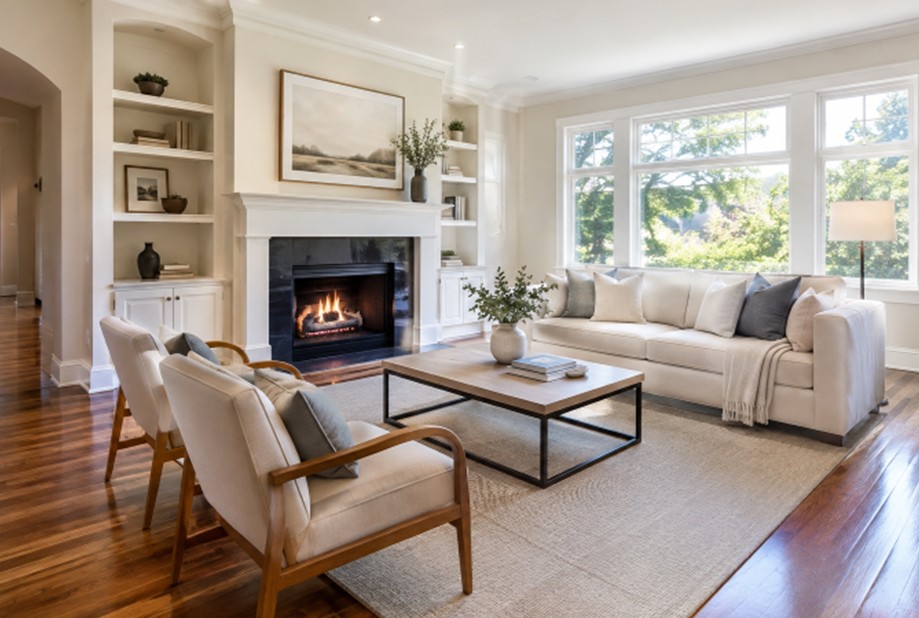
Staging should make the home easier to read, not make it feel artificial. Start with decluttering, depersonalizing, deep cleaning, and removing excess furniture. Prioritize the living room, kitchen, dining area, primary bedroom, and any office or flexible room.
A compact room may benefit from fewer, correctly scaled pieces. A flexible room should be presented as a single useful space, such as an office, guest room, or exercise space, rather than an ambiguous storage area. Staging supports good marketing, but it cannot replace necessary repairs, accurate disclosures, or sound pricing.
Protect the Home’s Architectural Character
Palo Alto homes can include distinctive features such as mid-century lines, original millwork, period windows, mature landscaping, unusual floor plans, or indoor-outdoor connections. Before replacing a notable feature, consider whether careful cleaning, repair, or highlighting will better preserve the home’s appeal. A modern update can work well when it supports the property’s style. Removing distinctive elements during a rushed remodel can make a memorable home feel more generic.
Check Permits and Disclosure Details
Permit questions are best addressed before construction begins, rather than when a buyer requests records. Remodels, re-roofing, plumbing, electrical, and mechanical work, as well as accessory dwelling unit projects, may involve permitting requirements. Review the City of Palo Alto’s building permit requirements before scheduling work. Keep permits, contractor invoices, warranties, inspection records, and manuals organized for later review.
Sellers should provide accurate information about known conditions and completed work. Because disclosure obligations depend on the transaction and the facts involved, consult the appropriate real estate or legal professional when questions arise.
Improve Curb Appeal in Any Season
The buyer experience begins before the front door opens. Clear walkways, trim overgrowth, clean windows, refresh the entry, and replace burned-out exterior bulbs. Repair visibly damaged fencing, gates, irrigation components, or hardware. These details affect listing photos, showing impressions, and a buyer’s sense of how consistently the property has been maintained.
Price From Local Evidence
Citywide statistics cannot determine the value of one property. A useful pricing discussion considers nearby closed sales, pending properties, active competition, expired listings, and recent reductions. Street position, lot usability, natural light, floor-plan efficiency, renovation quality, permit history, and architectural character can all influence how buyers compare homes. Price per square foot can be one reference point, but it should not be the only one.
Create a Strong Listing Launch
- Complete repairs, cleaning, and landscaping.
- Finish staging before photography and floor-plan measurements.
- Organize disclosures, permits, invoices, and supporting documents.
- Review listing facts, photos, map placement, price, and mobile presentation.
- Confirm access, showing instructions, and seller availability.
Early buyer attention is difficult to recreate after a weak launch. It is usually better to wait until the home is genuinely ready than to publish quickly for an arbitrary calendar date.
Final Pre-Listing Checklist
- Repair visible defects and complete deferred maintenance.
- Confirm project records, permits, warranties, and invoices.
- Declutter closets, storage rooms, garages, and utility areas.
- Deep clean the interior, exterior, windows, and entry.
- Refresh lighting, landscaping, and the front approach.
- Define the purpose of every room before staging and photography.
- Review current comparable properties and prepare the listing for launch.
Conclusion
Selling well in Palo Alto does not always require the largest renovation budget. The most effective plan typically combines visible maintenance, thoughtful presentation, accurate documentation, local pricing evidence, and a disciplined launch. Focus on improvements that reduce buyer concerns and make the home easy to understand, rather than chasing every passing design trend.
