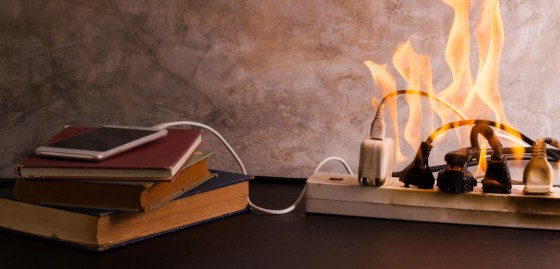
Franklin, Indiana, homeowners experience all four seasons, from humid summer afternoons to freezing winter nights and stormy spring weather. Those changing conditions can affect outdoor equipment, damp basements, aging outlets, and the electrical demands placed on heating and cooling systems. A practical safety checklist helps households notice small concerns before they disrupt daily life. For concerns that go beyond a visual inspection, speaking with an electrician in Franklin, IN can help homeowners understand whether an issue involves a worn device, an overloaded circuit, outdated wiring, or a needed safety upgrade. If you are considering an electric vehicle charger installation Franklin, IN, an electrician can also assess whether your home’s electrical system can safely support the additional load. Electrical safety is not about being alarmed by every flicker. It is about recognizing patterns and acting before a minor warning becomes a costly repair.
Why A Home Electrical Checklist Matters
Outlets, breakers, switches, appliances, and wiring handle a surprising amount of daily use. Coffee makers, computers, kitchen equipment, space heaters, phone chargers, and laundry appliances all add demand. In older Franklin homes, especially, some wiring or receptacles may not have been designed for today’s connected lifestyle. The home electrical safety checklist from the Consumer Product Safety Commission offers a useful starting point for household observations, but it does not replace a professional inspection.
Start With A Room-By-Room Walkthrough
Set aside ten minutes several times a year for a simple walkthrough. Focus on what has changed since the last check, including new appliances, moved furniture, recently used extension cords, water exposure, or unusual behavior from lights and outlets.
Areas To Review
- Kitchen:Check countertop appliances, outlets near sinks, and any discoloration around receptacles.
- Bathrooms:Keep cords away from water and confirm GFCI-protected outlets work as intended.
- Garage and basement:Look for dampness, exposed cords, power tools, chargers, and overloaded power strips.
- Bedrooms:Check lamps, charging cables, cords beneath rugs, and crowded outlet areas.
- Outdoor spaces:Inspect weatherproof covers, exterior lighting, and cords after rain, snow, or windstorms.
Electrical Warning Signs That Need Attention
Stop using an affected outlet, appliance, or circuit when a serious warning appears. Watch for lights that flicker, dim, or brighten unexpectedly; outlets or switches that feel warm; buzzing, popping, or crackling sounds; burn marks; a sharp burning odor; tingling shocks; or breakers that repeatedly trip. These symptoms can point to loose connections, damaged equipment, excessive load, or wiring problems that should not be ignored.
Check Outlets, Switches, And Cords
Damaged cords and loose plugs can create heat and shock hazards. Unplug cords with cracked insulation, exposed wire, damaged prongs, or loose connections instead of relying on tape as a permanent fix. Keep cords clear of rugs, doorways, wet floors, and heat sources. Avoid putting several high-wattage devices on one outlet, and replace missing outlet covers or loose faceplates promptly. Outside, use equipment rated for outdoor use and protect connections from the weather.
Review Breakers And Safety Devices
GFCI protection helps reduce shock hazards in damp locations, including bathrooms, kitchens, garages, basements, and exterior areas. AFCI protection is designed to detect dangerous arcing that can contribute to an electrical fire. Circuit breakers shut the power off when a circuit draws too much current. Test accessible GFCI devices and smoke or carbon monoxide alarms according to manufacturer instructions, but never remove a panel cover or attempt work on energized equipment.
Use Appliances And Heaters With Care
Cold Johnson County weather can lead households to rely on portable heaters, but these devices need space and a direct wall outlet connection. Keep heaters at least three feet from bedding, curtains, furniture, paper, and other combustible items. Never run a heater cord under carpeting or connect it to a power strip. Disconnect small appliances when they are not needed, and stop using any appliance that sparks, smells hot, or trips a breaker.
Prepare For Power Outages
Thunderstorms, ice, and high winds can interrupt power with little notice. Keep flashlights, spare batteries, phone power banks, and suitable surge protection available. During an outage, keep refrigerator and freezer doors closed as much as possible and shut down sensitive electronics safely. If using a portable generator, operate it outdoors well away from doors, windows, and vents. Current generator safety guidance for power outages also emphasizes working smoke and carbon monoxide alarms, since carbon monoxide can build up quickly in enclosed spaces.
Plan For Modern Electrical Demands
Many Franklin households are adding home-office equipment, heat pumps, induction ranges, smart-home devices, battery backup systems, and electric vehicles. These additions can increase demand on older electrical systems. A planned electric vehicle charger installation in Franklin, IN, may require a dedicated circuit, load calculation, updated protection, or an electrical panel review. The same is true for major remodels and large new appliances.
Know When To Call A Qualified Electrician
Professional help is appropriate for repeated breaker trips, persistent flickering, water near electrical equipment, burn marks, outdated fuse boxes, crowded panels, old or damaged wiring, or unknown work completed by a previous owner. Call emergency services and leave the immediate area if there is smoke, fire, a severe shock hazard, or an active burning smell.
Build A Simple Seasonal Maintenance Plan
- Monthly:Test smoke and carbon monoxide alarms and inspect frequently used cords.
- Each season:Review heaters, fans, outdoor outlets, lighting, and weather-exposed equipment.
- Before storm season:Charge backup batteries and review generator procedures.
- Before remodeling:Confirm electrical capacity before purchasing major appliances or equipment.
- Once each year:Consider a professional inspection, particularly for older homes or homes with recent upgrades.
Final Thoughts
Electrical safety often comes down to consistent habits. A quick walkthrough, careful use of appliances, and fast action when warning signs appear can help protect people, property, and valuable electronics throughout Franklin, Indiana. When the problem involves wiring, panels, moisture, or repeated electrical failures, trained professional diagnosis is the safest next step.
